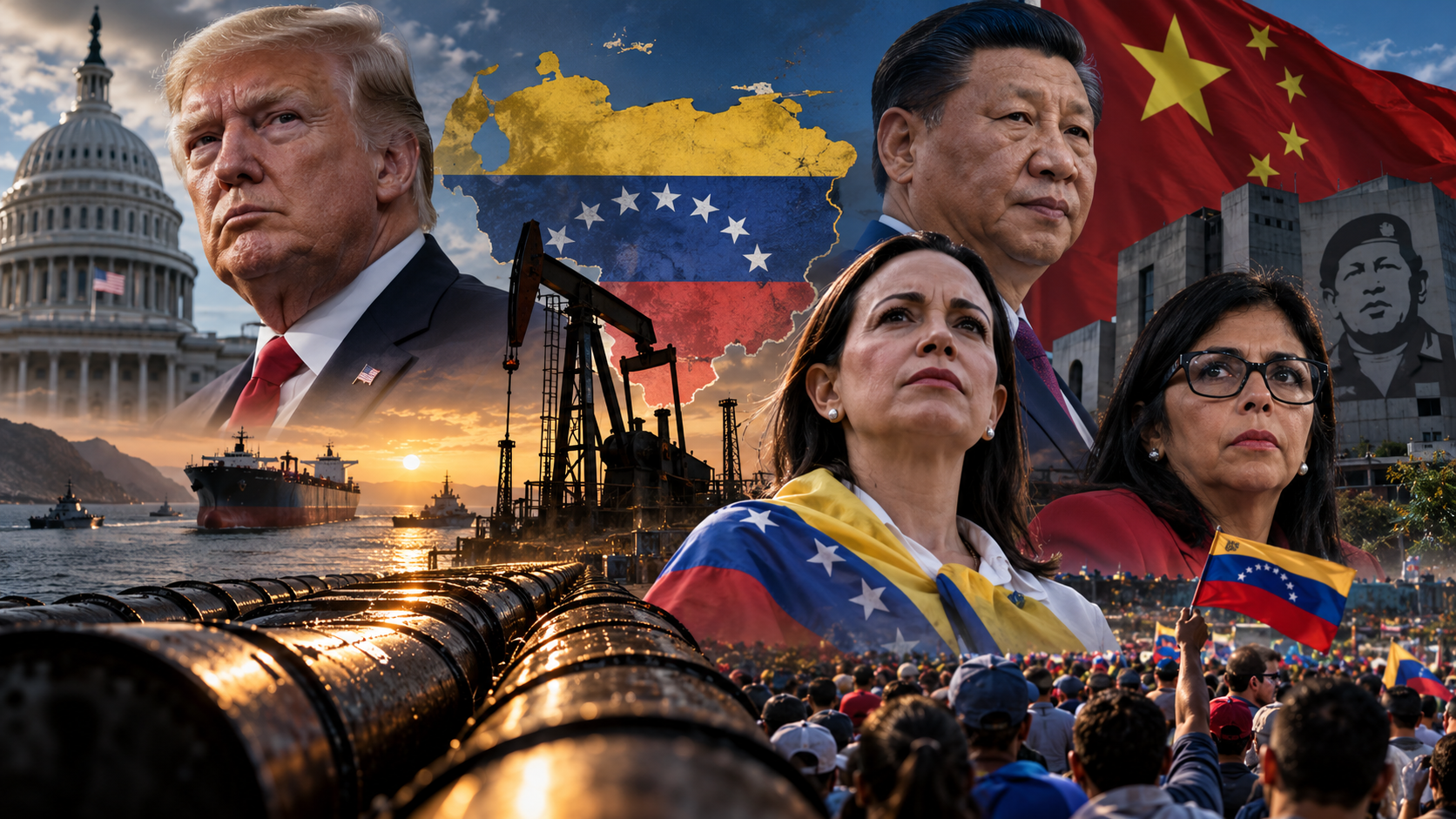
Venezuelans are debating several deeply divisive issues at once: how a Republican defeat in the U.S. midterms might affect Washington’s “guardianship,” when presidential elections will actually be held, who controls oil contracts, and what Donald Trump meant when he called Venezuela a “territory.” The backdrop is a fragile alliance between Delcy Rodríguez’s interim government and the U.S. administration, which local analysts describe as “bold and precarious at the same time.”
What a New U.S. Congress Could Change
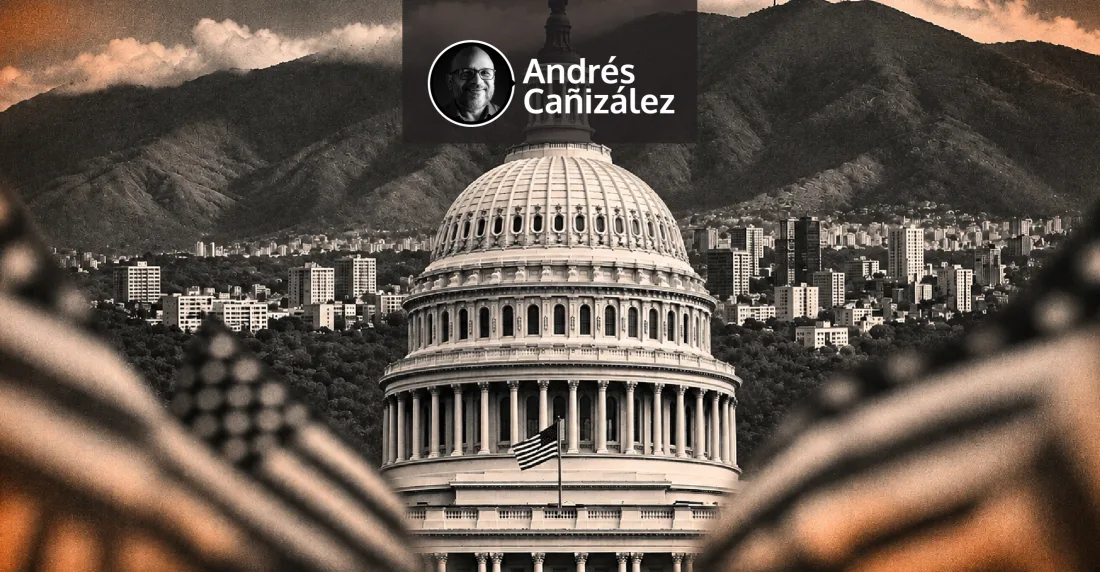
The main point of contention is the November 3 midterm elections. Democrats won what El Estímulo described as a “tsunami” of votes and, starting in January 2027, will become an institutional counterweight to Trump. Laura Dib, director of WOLA’s Venezuela program in Washington, and researcher David Smilde agree that foreign policy will remain the White House’s prerogative, but the political cost of hard-line decisions will rise and oversight will increase—including scrutiny of the oil deal with North American Blue Energy Partners (NABEP) and KPMG’s audit of the account receiving oil revenues, El Estímulo reports.
There is no shortage of skeptics. Journalist Alejandro Armas Díaz believes the impact will be limited: it is unclear what Democrats themselves want, and Rubio will remain “the implementer of a three-phase plan.” Left-wing academic William Serafino also believes Venezuela will not be a priority for Congress and that Trump will retain the power to change sanctions and licenses. El Nacional columnist Adolfo P. Salgueiro goes further, warning that a weakened Trump could give the Miraflores “clique” a “reprieve”: “Governing with a compliant Congress is one thing; having to account for every decision is another” (El Nacional). In Versión Final, Rafael Uzcátegui lists six tools available to the Senate—hearings, the budget, confirmation of officials, sanctions legislation, oversight of military operations, and treaty ratification—and concludes that the key phrase is “political will” (Versión Final).
Dispute Over Election Timing and the “Roadmap”
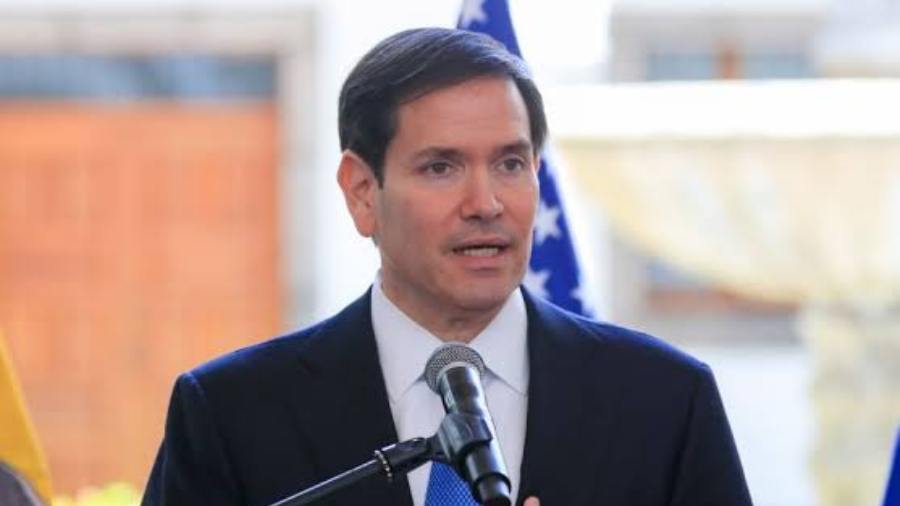
The second issue is Secretary of State Marco Rubio’s statement that elections in Venezuela will take place “ideally” in 2027, but only after the Supreme Court and National Electoral Council are overhauled, debt of more than $200 billion is restructured, and the security forces are reformed. He offered no guarantee that a vote would be held before Trump’s term ends (Globovisión). Under the “roadmap,” Delcy Rodríguez would have to declare the presidency vacant, triggering a six-month period for holding elections.
María Corina Machado, who recently returned from ten months in exile, called the plan “a reasonable path toward the full restoration of constitutional order” (El País Uruguay). This is surprising: until recently, she was seen as a Trump ally in his confrontation with Maduro. Now she could push for faster elections, risking the ire of the “clans” in power. RFI notes that she will not take part in the fourth round of talks, scheduled for November 11–15 (RFI). El Nacional columnist Antonio de la Cruz puts the concern plainly: “Washington and Delcy may understand each other perfectly well without addressing the aspirations of the leader of the democratic forces” (El Nacional).
“Territory,” Oil and Disputes Over Sovereignty
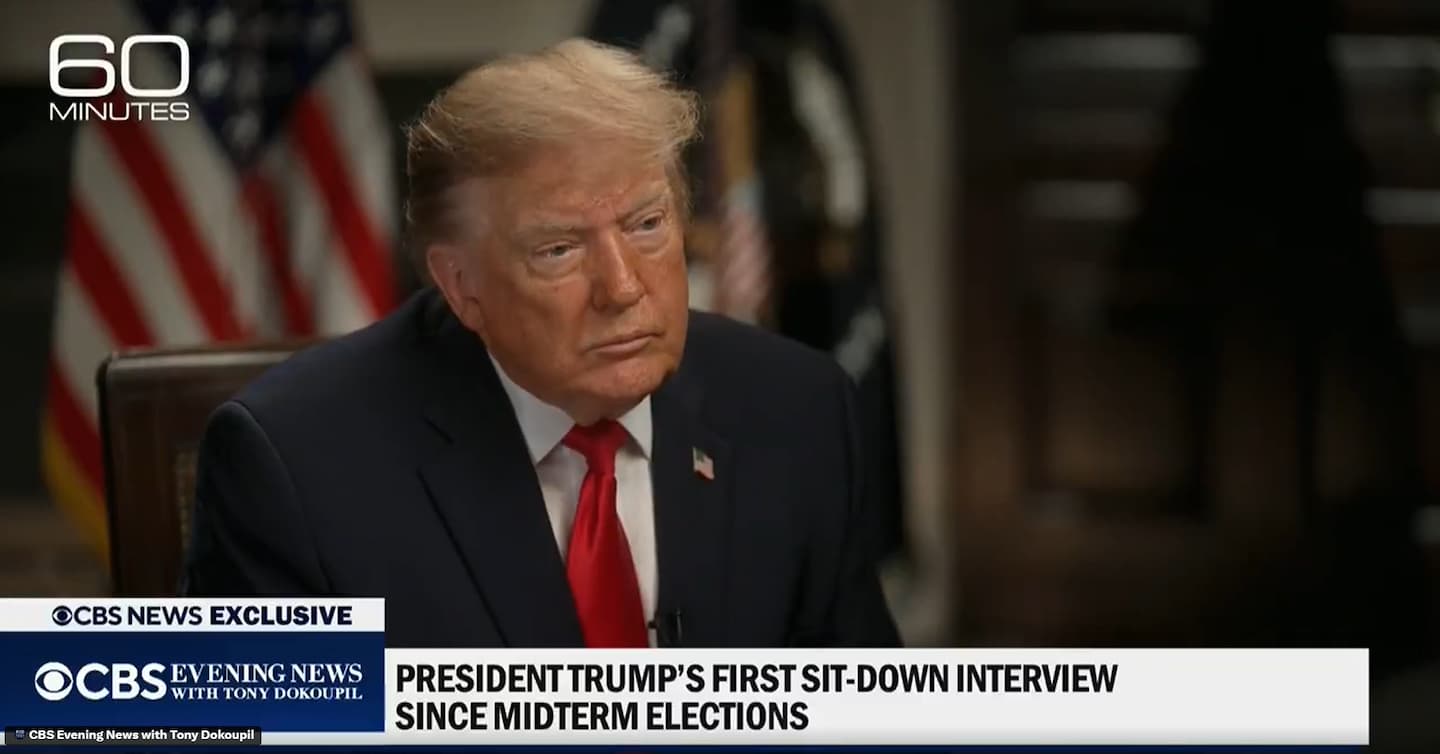
The third story is Trump’s headline-grabbing language. In an interview with CBS, he said the United States had “won Venezuela” and had already taken out “thousands and thousands of billions of dollars,” adding: “You can call it a territory, whatever you want” (La Nación). Earlier, he had spoken of “our conquest of Venezuela.” In Caracas, these remarks are seen as confirmation that the issue is resources: according to Spain’s Elcano Royal Institute, the interim authorities handed NABEP 17 oil fields with 650 billion barrels in proven reserves, while the Pentagon received a 35% stake in the parent company—all under Defense Secretary Hegseth’s “Greater North America” doctrine (参考消息).
Lukashenko called Maduro’s capture “a disgrace to the modern world” and “a struggle for resources,” lamenting that the problems could have been resolved without kidnapping the president (Aporrea). In the United States, meanwhile, Democrats are preparing to investigate how Trump used the Grok chatbot to plan the operation, accusing him of bypassing Congress (El Diario de Sonora). Within Venezuela, opinions are divided: some see deals with Washington as the only path to investment, while others call them “normalization without transition,” in which oil and migration matter more than elections.
```html