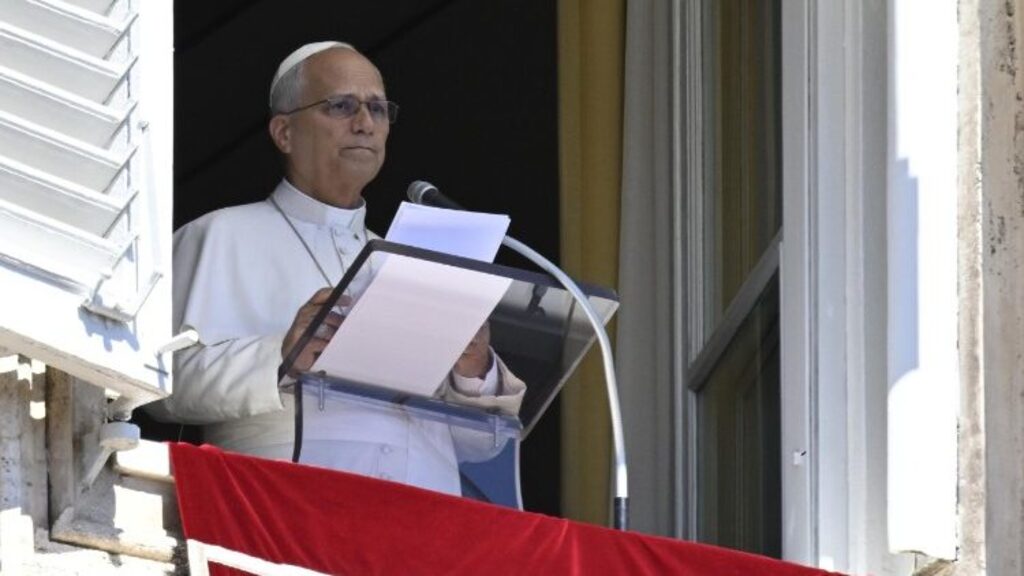
The biggest development for Venezuela over the past two days was the return to the country of U.S. Secretary of Defense Pete Hegseth (Venezuelan media call him the “Secretary of War,” secretario de Guerra). He arrived in Caracas without prior announcement on November 18, signed a military-technical agreement with the authorities and gave a speech about “victory.” At the same time, two new topics entered Venezuela’s public debate: an inquiry into Venezuelan oil revenues “frozen” in U.S. accounts, and an upcoming hearing in Nicolás Maduro’s case, as he seeks head-of-state immunity in an American court.
Military Agreement and Talk of Subordination
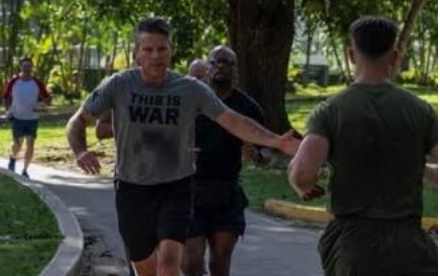
Hegseth declared that Venezuela had gone “from our most aggressive regional threat to a compliant security partner”—his description of the ten months since January 3, when U.S. forces seized Maduro (Egypt Independent). The agreement restores military cooperation, severed under Hugo Chávez in 2005. It was signed on Venezuela’s behalf by Defense Minister Gustavo González López, and by Hegseth for the United States, at Miraflores, the seat of government. Analysts at Efecto Cocuyo differed in their assessment of the ceremony’s significance: political scientist Joaquín Ortega of the Central University of Venezuela said it effectively formalized an exchange of “military cooperation for stability and sanctions relief,” while international law expert Mariano de Alba said the visit cemented the status quo after January 3 and that the main issues were “security and oil” (Efecto Cocuyo). Foreign policy expert Víctor Mijares called what was happening a “U.S. military protectorate” and “bad news for Chavismo,” while military analyst Ricardo Sucre and retired Lieutenant Colonel Guillermo Beltrán Vielma saw the agreement as an opportunity for the armed forces to restore their institutional character and modernize (Efecto Cocuyo). El Nacional columnist Beatriz de Majo summed up the military’s view with a barb: she takes the words “This is War” on the visitor’s T-shirt as a verdict not so much on drug cartels as on the industry deal (El Nacional).
Sovereignty: Who Is Really Running the Country?
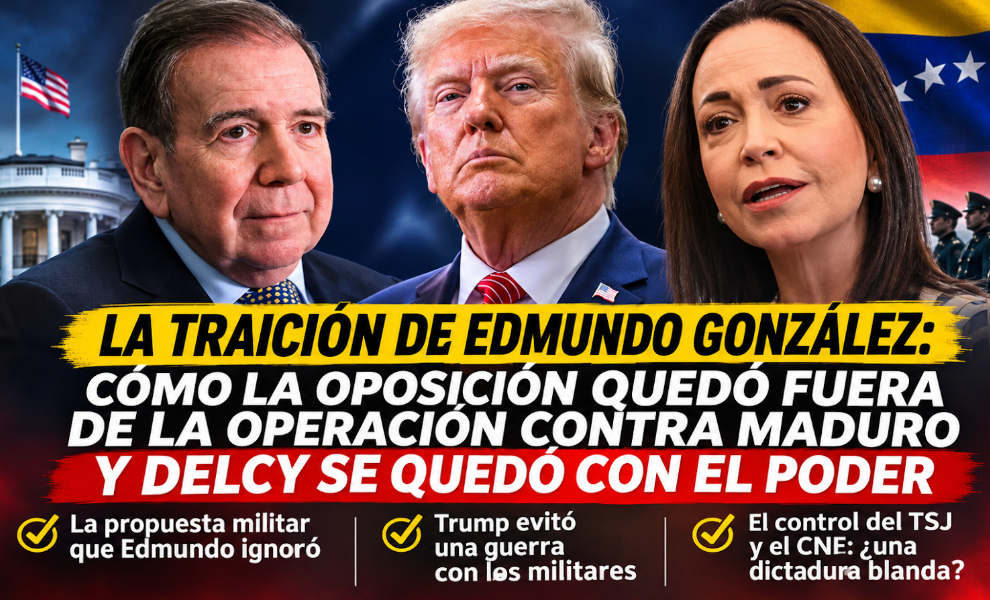
The ceremonial proceedings culminated in Hegseth’s declaration that January 3 was “the day Venezuela was liberated.” In a column for El Nacional, political scientist Ángel Lombardi writes that Washington is “imposing a three-phase plan without consulting anyone in Venezuela: stabilization, an opening of the oil sector, and elections with no date set,” while the U.S. president “praises the de facto ruler and says Venezuelans are not ready to go to the polls” (El Nacional). According to another El Nacional column, Maduro may effectively have been “handed over” by members of his own inner circle: after he was taken away, power remained in the hands of his allies, Delcy Rodríguez and Jorge Rodríguez, who gained access to the security forces and the army (El Nacional). From this perspective, the “transition” looks less like a change of regime than a reshuffling of the elite under American tutelage. Omaira Montero, an activist with the opposition party Vente Venezuela, told Canada’s Le Devoir: “The United States came to do us a great favor [by arresting Maduro], but not to liberate us and not because they love us” (Le Devoir). Oscar Murillo, coordinator of the human rights organization PROVEA, added that agreements are being made through structures set up outside the institutions “because the institutions have collapsed and disappeared entirely”—and warned that the country risks turning the transition into a means of protecting foreign commercial interests.
Oil Revenues Under American Lock and Key
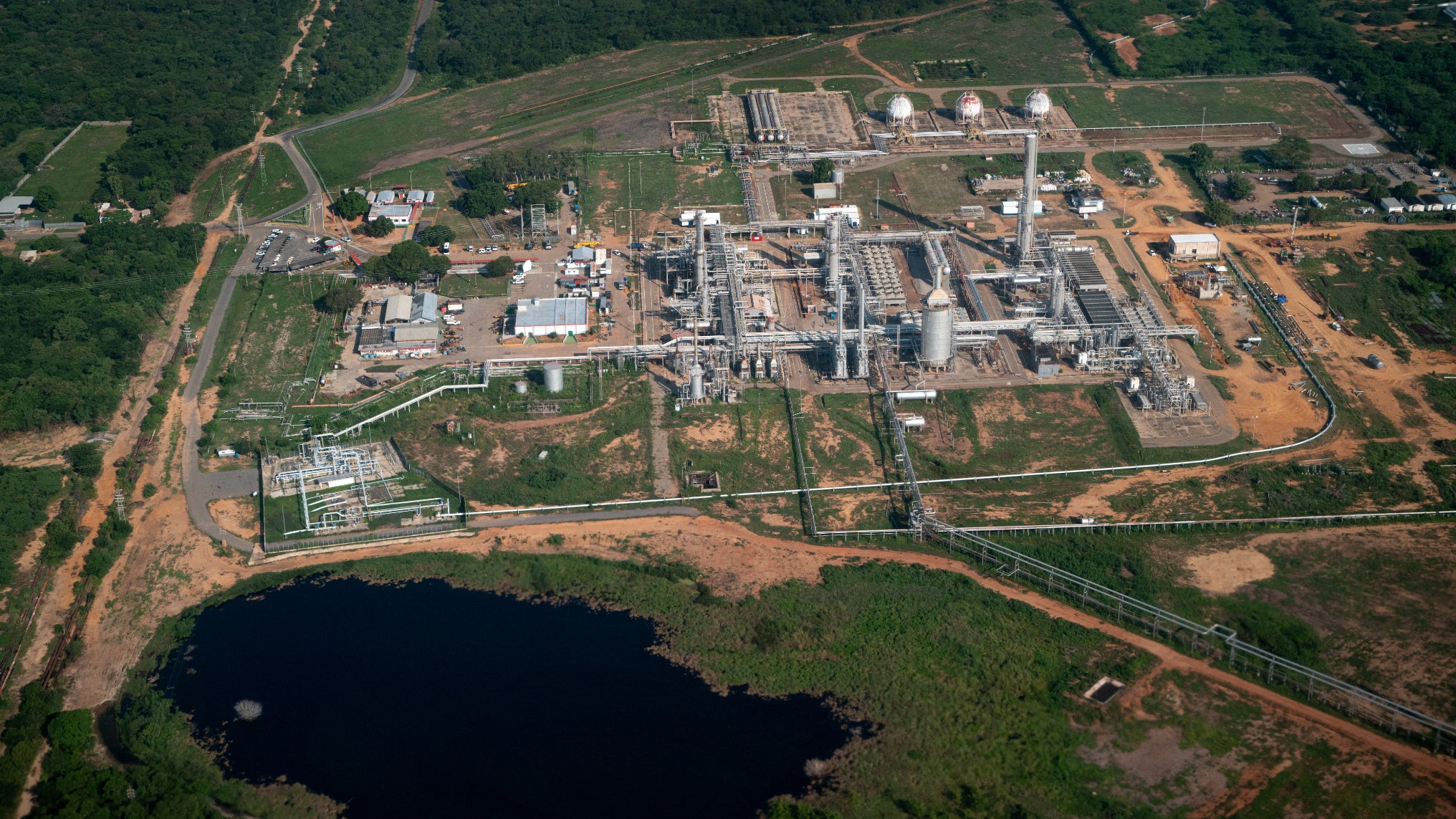
The other dispute of recent days concerns the fate of foreign-currency revenues. A report prepared for the United States by auditor KPMG found that $12.26 billion flowed into a deposit account under Washington’s control between January 3 and September 30, 98.7% of it from oil and gas. No money was transferred directly to government bodies, while 77% went to legal entities (Finanzas Digital). Economist Francisco Monaldi told EFE that the report does not make clear “how much oil corresponds to these deposits or at what price the barrels were sold,” and that the names of 20 depositors have been blacked out in the table. Nevertheless, he considers the current system “much better” than the former black market, which involved sales through China and money laundering through cryptocurrencies (Infobae). Economist José Guerra told Efecto Cocuyo that, given the actual export volumes, the country should have received $20–21 billion—about $8 billion more. “The numbers don’t add up” (BFMTV). The main political risk lies in how revenues are allocated to currency interventions and who the “users” of this money are. Monaldi calls the question of to whom dollars were sold, and at what exchange rate, one of the most pressing. Against this backdrop, Venezuela’s minimum wage is equivalent to about 14 cents a month, plus $240 in allowances—a situation that has done little to quell workers’ discontent (Banca y Negocios).
The Maduro Case: Immunity Versus “Abduction”
On December 17, the U.S. District Court for the Southern District of New York will hold a hearing on a motion filed by Maduro’s defense team. In a 72-page brief dated November 9, attorneys Barry Pollack and Anna Estevan are seeking to have the case dismissed with prejudice, citing the immunity of a sitting head of state and functional immunity for official acts. They point out that the United Nations has accepted the credentials of the Venezuelan delegation since 2019, and that Washington maintained contacts with Maduro even after severing relations—including through special envoy Richard Grenell’s visit to Caracas in January 2025 (Cadenagramonte). The legal issue is a delicate one: the court may find that the United States did not recognize Maduro as head of state, weakening the immunity argument. But the same court’s recognition of Rodríguez as “interim ruler” lends the defense’s arguments unexpected weight. In an interview with The New Yorker, Rodríguez said that on the night of the operation, after it was confirmed that Maduro was alive, the American side offered to “restore relations” as a condition—and that she understood this as a threat (SinEmbargo).
Public Opinion: Support for U.S. Actions, Distrust of Its Motives
A surprising detail for outside observers is that support for Maduro’s removal is widespread in Venezuela, but it exists alongside near-universal skepticism about Washington’s aims. People interviewed by Le Devoir in Caracas—lawyers, teachers, students and activists—say that the turn toward the United States offers a chance for economic revival, but that “only a few are fooling themselves” about the motives of the Trump administration (Le Devoir). Literature student David Rebanales holds businessman Alejandro Betancourt, who gained access to 17 oil fields, responsible for power cuts and shortages of supplies in hospitals—a characteristic example of how discontent is being personalized around “American-style privatization.” Human rights advocate Oscar Murillo warns that the elite that has retained power could become an “authoritarian technocracy,” while Omaira Montero observes bitterly that “Venezuelans are, in a sense, stuck,” because the country’s deteriorating oil industry cannot be revived without American investment. Two arguments thus converge in the local debate: without the United States, Venezuela cannot escape its economic dead end, but “liberation” does not yet mean elections or transparency. As Washington and Caracas exchange agreements and assurances, Venezuelans themselves are divided less over their attitude toward the United States than over the price the country is already paying for this tutelage.