What people in Caracas are talking about these days is not so much the American actions themselves as what they mean for the transitional period that began after the ouster of Nicolás Maduro. The Republicans’ defeat in the U.S. midterm elections on November 3, rumors of a forthcoming Status of Forces Agreement (SOFA), and a drone strike on Colombian guerrilla positions—reportedly carried out with U.S. intelligence support—have all converged. Venezuelan society is divided not over whether it is “for or against the United States,” but over what kind of country Venezuela remains: a sovereign nation that chooses its own path, or a dependent territory where Washington decides who governs and when elections are held.
What Trump’s Election Defeat Means
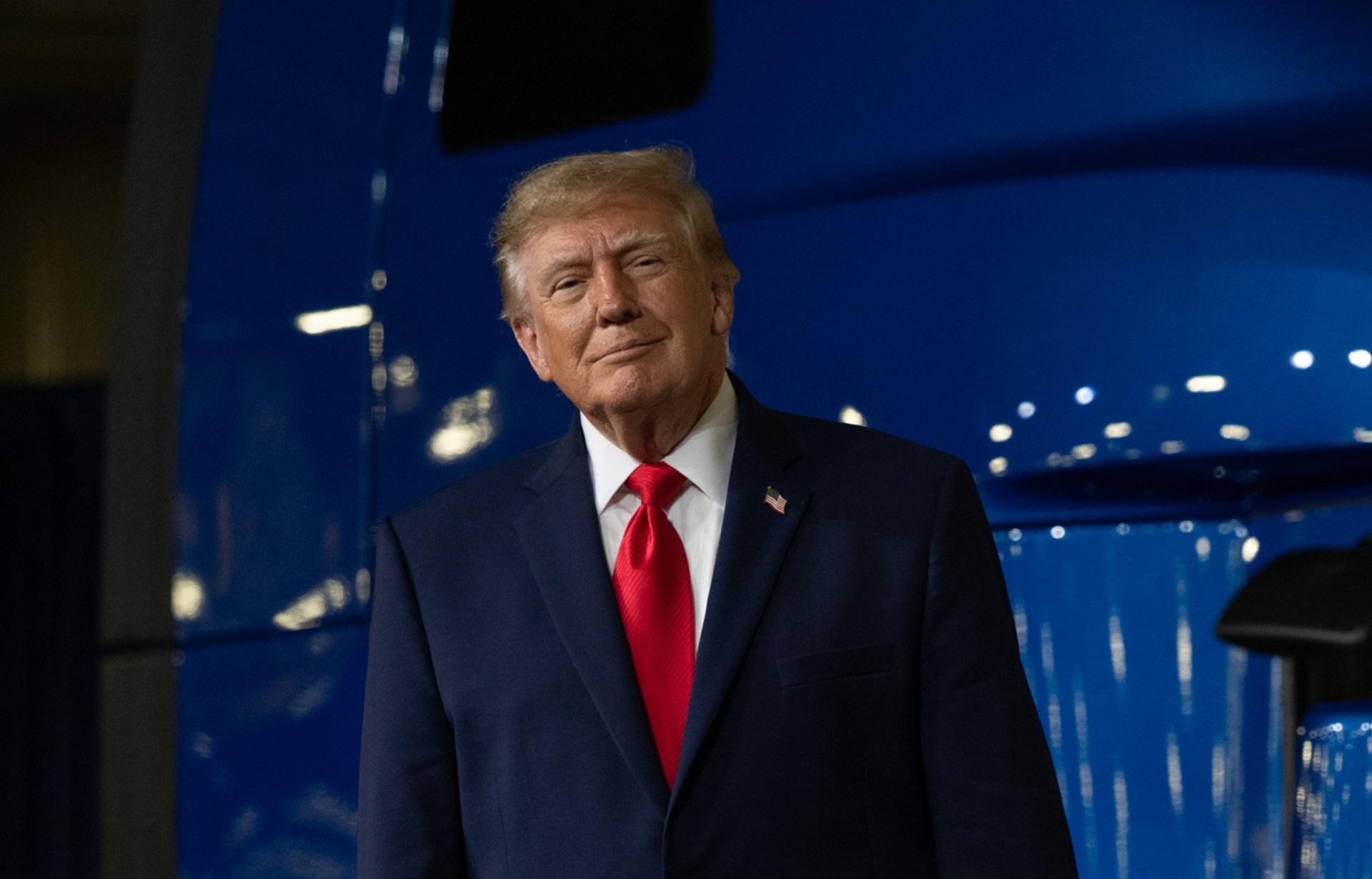
Analysts in Caracas agree that the U.S. executive branch will retain control of foreign policy, but that the Republicans have lost their populist advantage. Former PDVSA director Pedro Mario Burelli wrote an open letter to Trump on X: “A lack of integrity, scruples, and respect for others has consequences. Your own behavior is undoing all the good you accomplish.” He challenged the U.S. president to choose whether he wanted to be “a lame duck, an angry duck, or a clever Donald Duck,” noting that “many are indeed dancing in the streets” LaPatilla.
Venezuelan international affairs analyst Nestor Bastidas said on the La Iguana TV podcast that the new Senate balance “continues to be favorable to Venezuela by a ratio of 3 to 1,” because the upper chamber is closer to Biden’s “comprehensive approach,” while the lower chamber favors a more radical course La Iguana TV. Spanish journalist David Alandete, ABC’s White House correspondent, offered a different assessment, warning that the oil deal with North American Blue Energy Partners, a firm linked to businessman Alejandro Betancourt, would face a congressional investigation: “The agreement will be investigated and they will try to stop it. Its prospects are poor” LaPatilla. The overall conclusion of El Espectador columnist Chomin Las Heras is paradoxical: Democrats may be the ones to speed up elections, while Delcy Rodríguez will try to “run out the clock” until Trump’s term ends El Espectador.
Debate Over the Military Presence
The most sensitive issue has been The New York Times report on negotiations over a SOFA—a Status of Forces Agreement that defines the legal terms under which U.S. military personnel may be stationed on foreign soil. Lawyer and geopolitics expert Mariano de Alba sees this as a matter of political survival: the strikes against the ELN and negotiations over a permanent presence “confirm Delcy Rodríguez’s government strategy of making itself indispensable to the Trump administration and trying to ease the pressure that could force it from power.” In his view, the agreement will likely provide Venezuela’s elite with “protection and/or survival” in exchange for ceding some sovereignty. He also pointed to the “complete lack of transparency,” with neither side taking responsibility for the operation in Apure Runrun.es.
Engineer Gabriel Ordoñez raised a question that resonates particularly strongly in Venezuela: who will sign the agreement on the country’s behalf if it is “an unelected administration” that is in power? “A long-term defense agreement signed without a popular mandate is born with a legitimacy problem that no clause can resolve,” he said Runrun.es. An El Nacional column takes a different tack, focusing not on legitimacy but on the nature of the relationship: Russia’s, Iran’s, and China’s influence has “given way to a kind of North American protectorate,” while anti-imperialist rhetoric has disappeared, replaced by “broad cooperation that is essentially absolute submission to Washington’s demands” El Nacional.
A Deal with Machado and a Three-Phase Plan
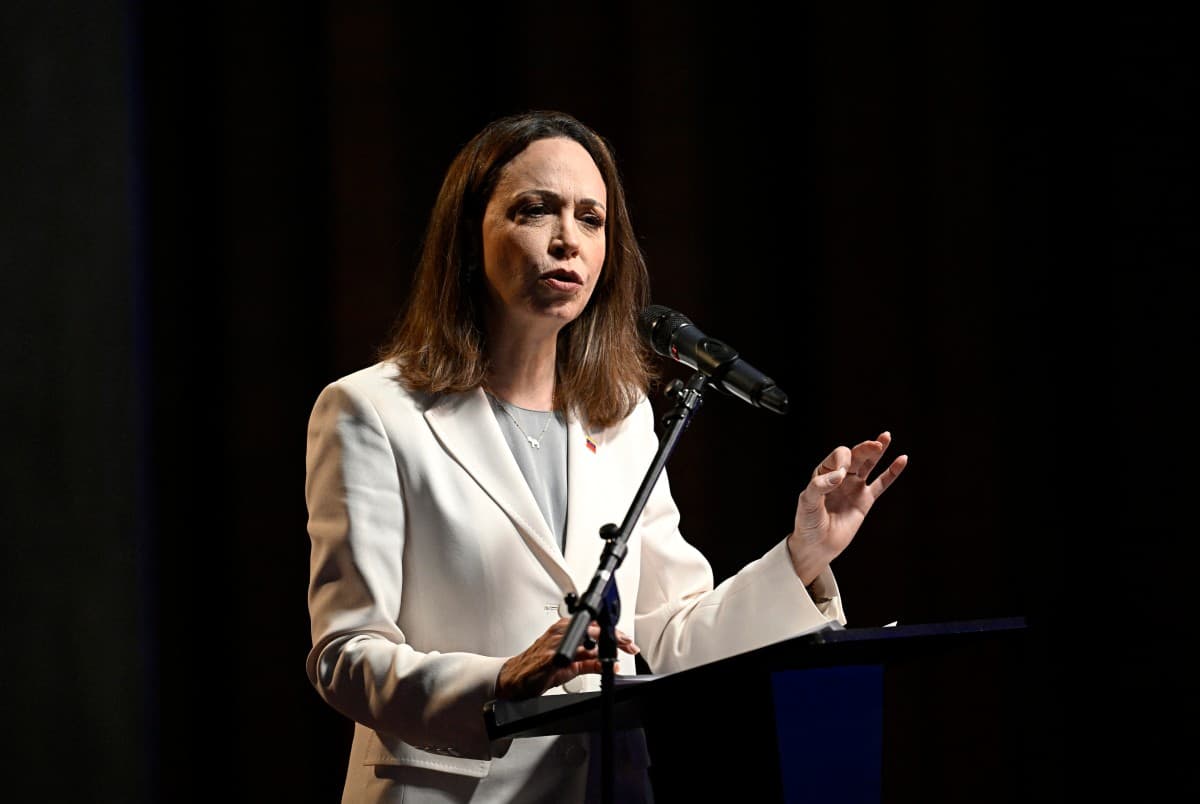
Against this backdrop, María Corina Machado’s return from exile and her public backing of the U.S. “road map”—renewing the Supreme Court by the end of 2026, then appointing a new National Electoral Council and announcing presidential elections—have been seen by commentators as an attempt to regain the initiative. In a statement addressed to the Ibero-American Summit in Madrid, she called the plan “a sensible path toward the full restoration of constitutional order” Nación. But a Cambio Colombia column notes that this comes at a price: Delcy Rodríguez and Dinaora Figuera, not Machado herself, are at the negotiating table, and Machado’s influence will depend on how precisely she calibrates pressure on the White House without burning bridges with it Cambio Colombia.
El Nacional columnist Victor A. Bolívar puts forward an uncomfortable argument for both sides: as Trump builds his “legacy,” he should “get rid of the regime” as soon as possible—free the remaining political prisoners and set an election date El Nacional. TalCual, meanwhile, interprets Machado’s return as a “frontal tactical challenge” to the “gradual stability” strategy, under which oil flows were exchanged for “an indefinite postponement of a genuine democratic transition” TalCual.
Strike on the ELN: Liberation or Crime?
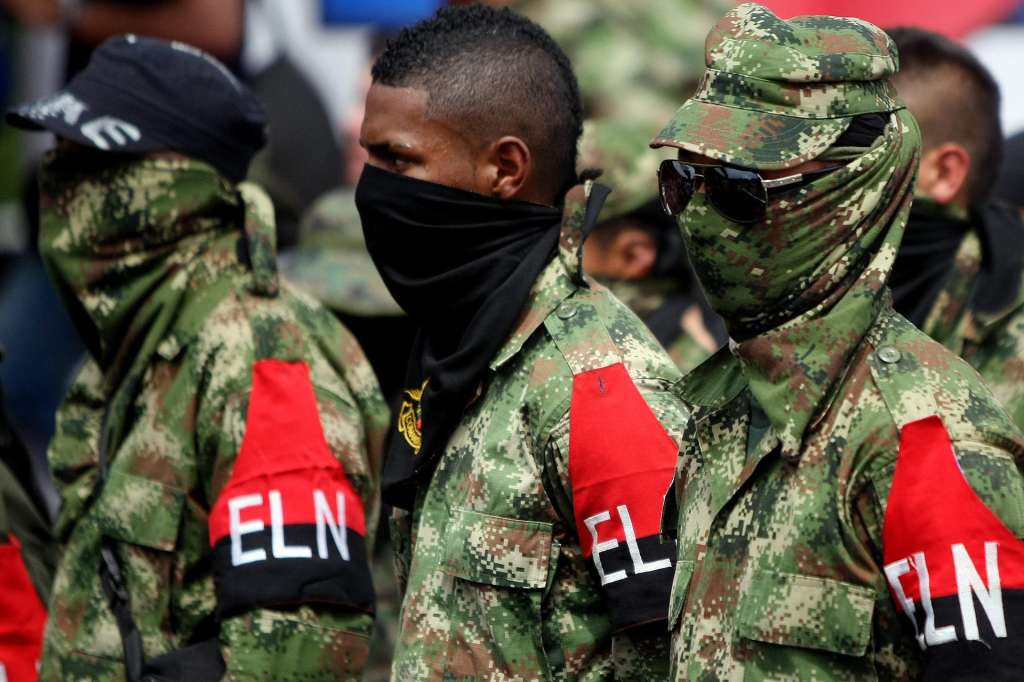
The drone attack in Apure shows just how blurred the line has become between “joint anti-narcotics efforts” and the unchecked use of force. The human rights organization Fundaredes was first to report the incident: at least 23 people were killed, including not only fighters but also pilots, suppliers, and relatives of ELN members. “Many of the bodies were mutilated by explosives,” said Juan Francisco García, Fundaredes’ coordinator in Apure El Pitazo. Secretary of State Marco Rubio said in Colombia back in September that the ELN would no longer be allowed to operate “with impunity,” and U.S. officials have confirmed that the operation involved American intelligence and drones El Espectador.
Venezuelan authorities have made no official comment on U.S. involvement; an anonymous senior military officer merely confirmed that the order to attack the ELN was given after Maduro’s ouster. For some, this is a long-overdue restoration of state authority along the border; for others, it is yet another example of foreign forces operating on Venezuelan soil with Caracas’s tacit approval.
The Question That Remains Unanswered
Running through all these disputes is a single question: Venezuelans are not being asked whether Washington is good or bad, but who has the right to speak on their behalf. The former PDVSA director warns Trump that “your behavior can undo any good” LaPatilla. An El Nacional columnist writes that Machado’s popularity is “unprecedentedly high,” while support for Delcy’s regime is “steadily falling” El Nacional. Protests, the release of political prisoners, and an election date remain the measures Venezuelans consider the true test of any agreement—with Washington or with Caracas.