Over two days—November 5–6, 2026—the Venezuela story around the United States shifted from ceremonial events to hard questions: When will elections be held? Who will restructure the $200 billion debt, and on what terms? Will sanctions remain in place? And what did Donald Trump mean when he called Venezuela a “territory”? Venezuelan analysts, officials and opposition figures are debating not whether the United States is intervening—that is already a fait accompli after the January operation and the capture of Nicolás Maduro—but who will benefit from the current “partnership,” and whether the country will get elections.
“New Friendship” and Its Rituals
On Friday, acting President Delcy Rodríguez and US Chargé d’Affaires John Barrett laid flowers at the statue of George Washington in Washington Square in Caracas, which had reopened after restoration. The occasion marked 250 years of US independence and 191 years of diplomatic relations. “We join the United States in celebrating the 250th anniversary of independence, and we also pay tribute to the founding father, President George Washington,” Rodríguez told state broadcaster VTV, EFE reports. Barrett, in turn, called Washington “similar to Simón Bolívar” and said that their statues in the two capitals symbolize “a new friendship between the United States and Venezuela.” The scene is telling to local observers: according to EFE, diplomatic relations were restored in 2026 after a seven-year break, against the backdrop of pressure from Washington following Maduro’s abduction on January 3. The “friendship” on display seems all the more odd given that Rodríguez is not an elected president but a temporary figure installed under external pressure.
Dispute over the Election Date
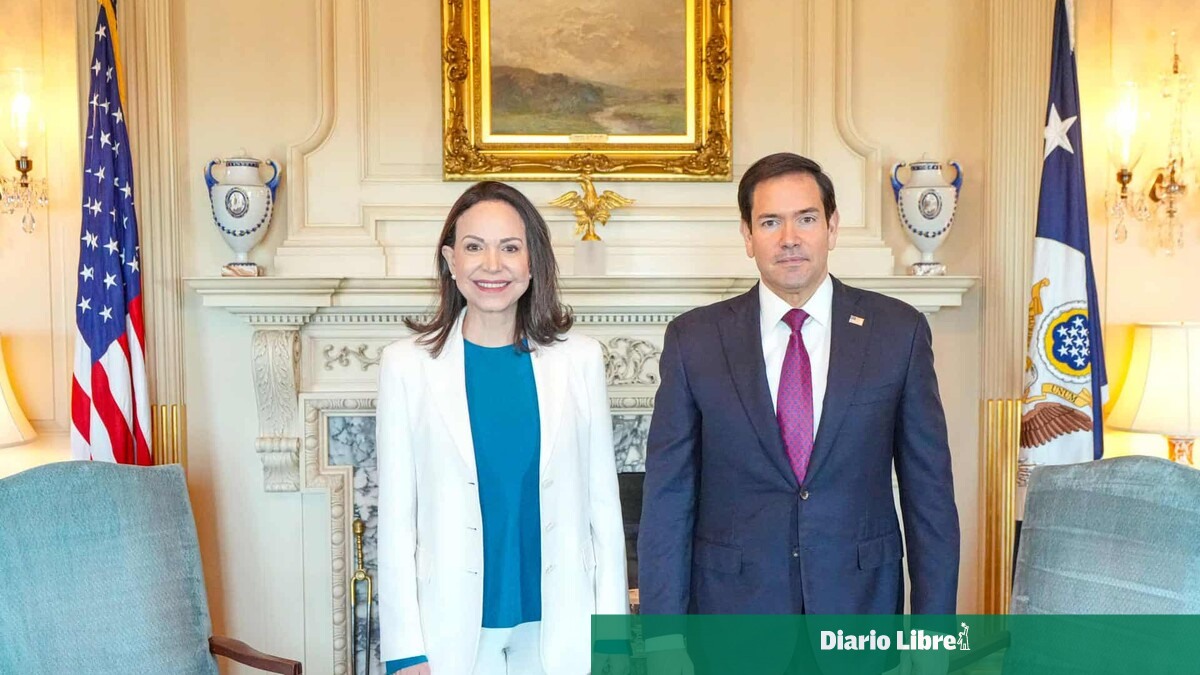
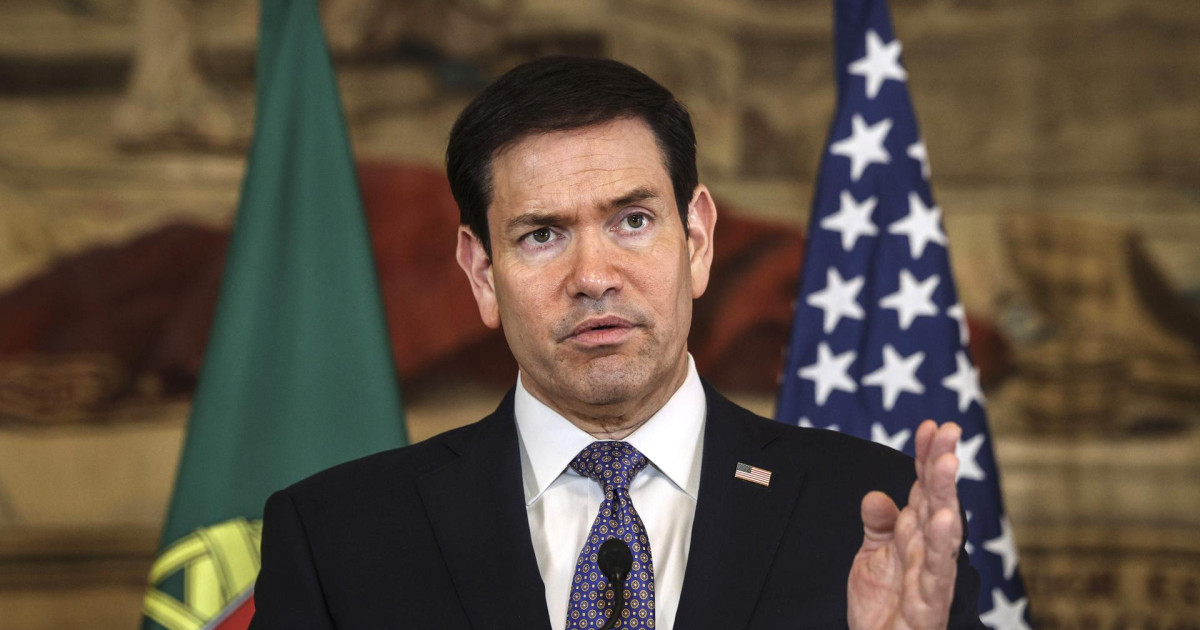
The main point of disagreement over the two days is the timetable. US Secretary of State Marco Rubio called 2027 “ideal” in an interview with The New York Times, but declined to guarantee that elections would be held before Trump’s term ends. First, he said, the country needs a new Supreme Tribunal of Justice (TSJ), a new National Electoral Council (CNE, the body that organizes elections), security-sector reform and progress on the debt, Globovisión reports. María Corina Machado, who returned from ten months in exile in October, publicly backed the US “road map”: “In the face of the prolonged de facto situation our country is in, we support this plan as a reasonable path,” Diario Libre quotes her. Rodríguez herself said that elections would be held “in accordance with the constitutional mandate” and with a renewed electoral authority, but gave no date. The balance of forces is also telling: according to RFI, Machado and her party, Vente Venezuela, will not take part in the fourth round of talks on November 11–15, even though polls suggest she would win an election—a prospect that, RFI notes, irritates the ruling clan. In other words, the opposition supports the US plan but is not at the table where the timing of its implementation is being decided.
Sanctions, Debt and Oil
The second sticking point is money. Rubio called Venezuela’s debt, which exceeds $200 billion, “a huge problem” that is blocking investment, Descifrado reports. An anonymous US administration official explained that restructuring the debt is a condition for the possible lifting of sanctions, which in turn partly protect Venezuelan state assets from seizure by creditors. Local analysts disagree on the implications for the sanctions regime. Laura Dib, director of WOLA’s Venezuela program, and researcher David Smilde believe that after the Democrats’ victory in the midterm elections, Congress will step up oversight—in particular, demanding the release of a KPMG audit of the account through which oil revenues flow, as well as greater transparency in the mining sector, El Estímulo reports. Journalist Alejandro Armas Díaz and academic William Serafino, by contrast, are skeptical: foreign policy remains the executive branch’s prerogative, and Trump can still change licenses and reinstate sanctions. Notably, even the left-wing Serafino does not expect Venezuela to be a priority for the new Congress—a rare point of agreement with right-wing critics. Against this backdrop, the agreement with North American Blue Energy Partners (NABEP) granting access to more than 20% of Venezuela’s oil reserves for 25 years, reported by EFE, has become not just economic news but the subject of a congressional investigation in the United States.
“Territory” and the US Military Presence
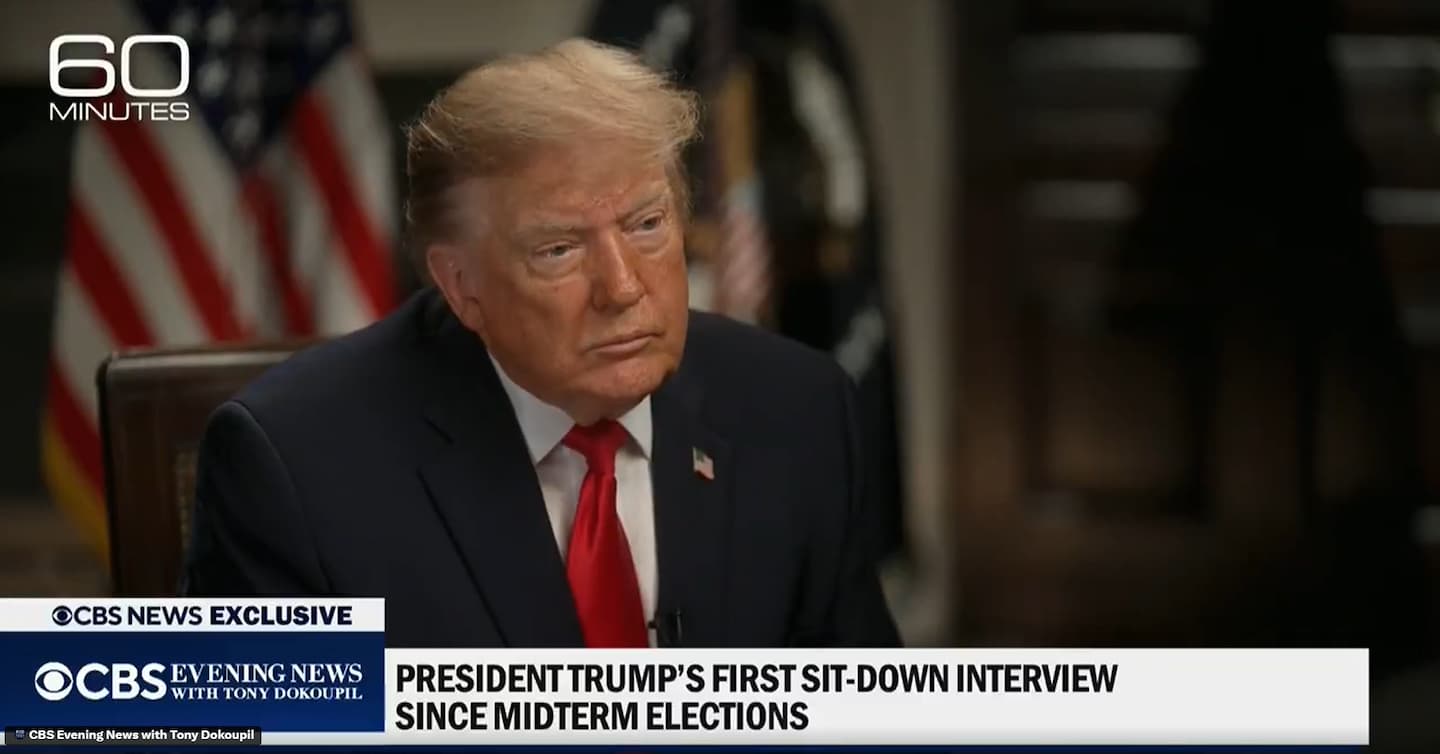
The sharpest irritant is Trump’s rhetoric. In an interview with CBS, he said: “We won Venezuela and have already taken out thousands and thousands of billions of dollars… you can call it a territory, you can call it whatever you want,” La Nación reports. Earlier, he had spoken of “our conquest of Venezuela.” At the same time, Rubio confirmed that the United States would like “at some point an agreement on a military presence, primarily from a legal standpoint,” to ensure the protection of US personnel, El Debate reports. This is a delicate subject for the Venezuelan authorities: officially, they speak of “cooperation,” but Trump’s use of the word “territory” undermines the narrative of a sovereign partnership. The voice of the Venezuelan diaspora in the United States is also notable: in an op-ed for USA Today, a Venezuelan-born author argues that a “dictatorship” under Rodríguez has been installed in place of democracy, and that she consults Rubio even on ministerial appointments. This is a view from the diaspora, but it neatly reflects a suspicion shared by some in the opposition at home: the “transition” may amount to a change of scenery while the old elite remains in place.
What Remains Unresolved
Three lines of tension emerged over the two days. The first is timing: Washington says “2027 would be ideal,” Machado wants elections sooner, and Rodríguez avoids setting a date. The second is the price: sanctions relief is linked to the debt, and the debt to who will manage it—the interim authorities or an elected government. The third is the form: talk of “territory” and plans for a military presence raise questions about sovereignty that neither Caracas nor Washington has yet answered clearly. It is telling that local debate focuses little on whether the January operation was legal—it is discussed as a given. The argument is over who will hold power and control the oil afterward, and on what terms.