Venezuela is now in its second year of a reality that would have been unimaginable in 2025: President Nicolás Maduro has been taken to New York by U.S. special forces, his former vice president Delcy Rodríguez remains in power, and the country is governed under Washington’s close financial and political oversight. In recent days, local media and politicians have focused on several stories at once: Rodríguez’s candid interview in a major New Yorker feature, the fate of Maduro’s trial, disputes over who really controls oil revenues, the role of “old friends” such as Iran, and the prospects for the 2027 elections.
Rodríguez’s candid interview and colonial terminology
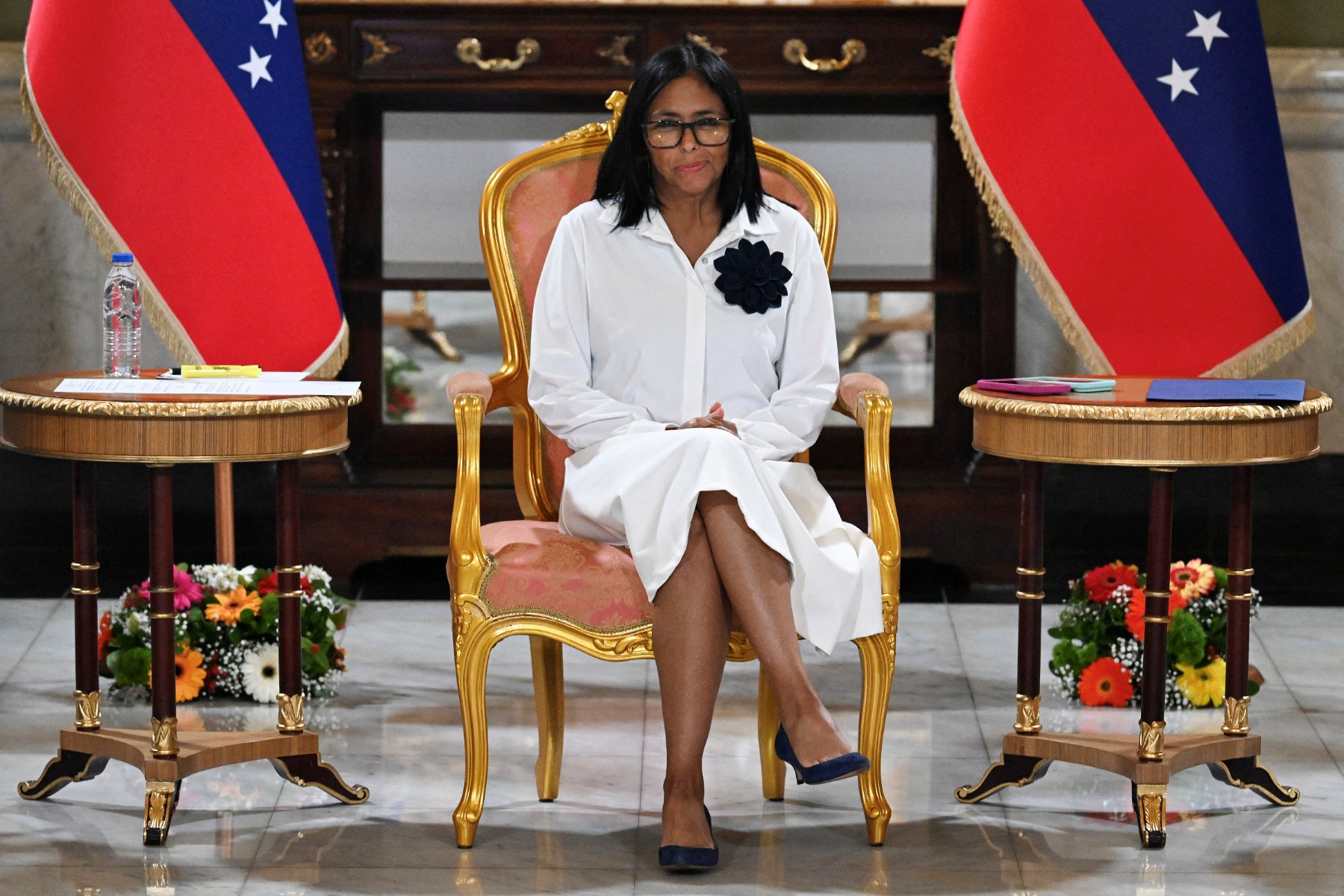
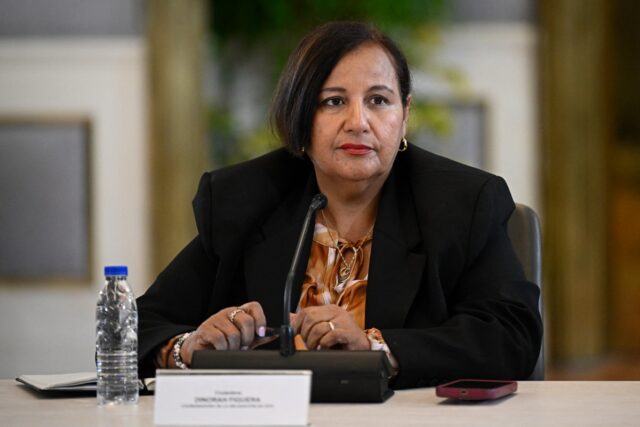
The main source of local irritation was an interview Delcy Rodríguez gave journalist Jon Lee Anderson for “Venezuela’s Chief Enabler,” a profile in The New Yorker. Anderson writes that Trump has repeatedly called Venezuela the “51st state,” and that the current relationship between the two countries reminds him of U.S. rule over the Philippines in the early 20th century—the closest the United States has come to a colonial arrangement since. Rodríguez herself, he observes, speaks in riddles and effectively acknowledges the country’s “arrested” (restricted) sovereignty.
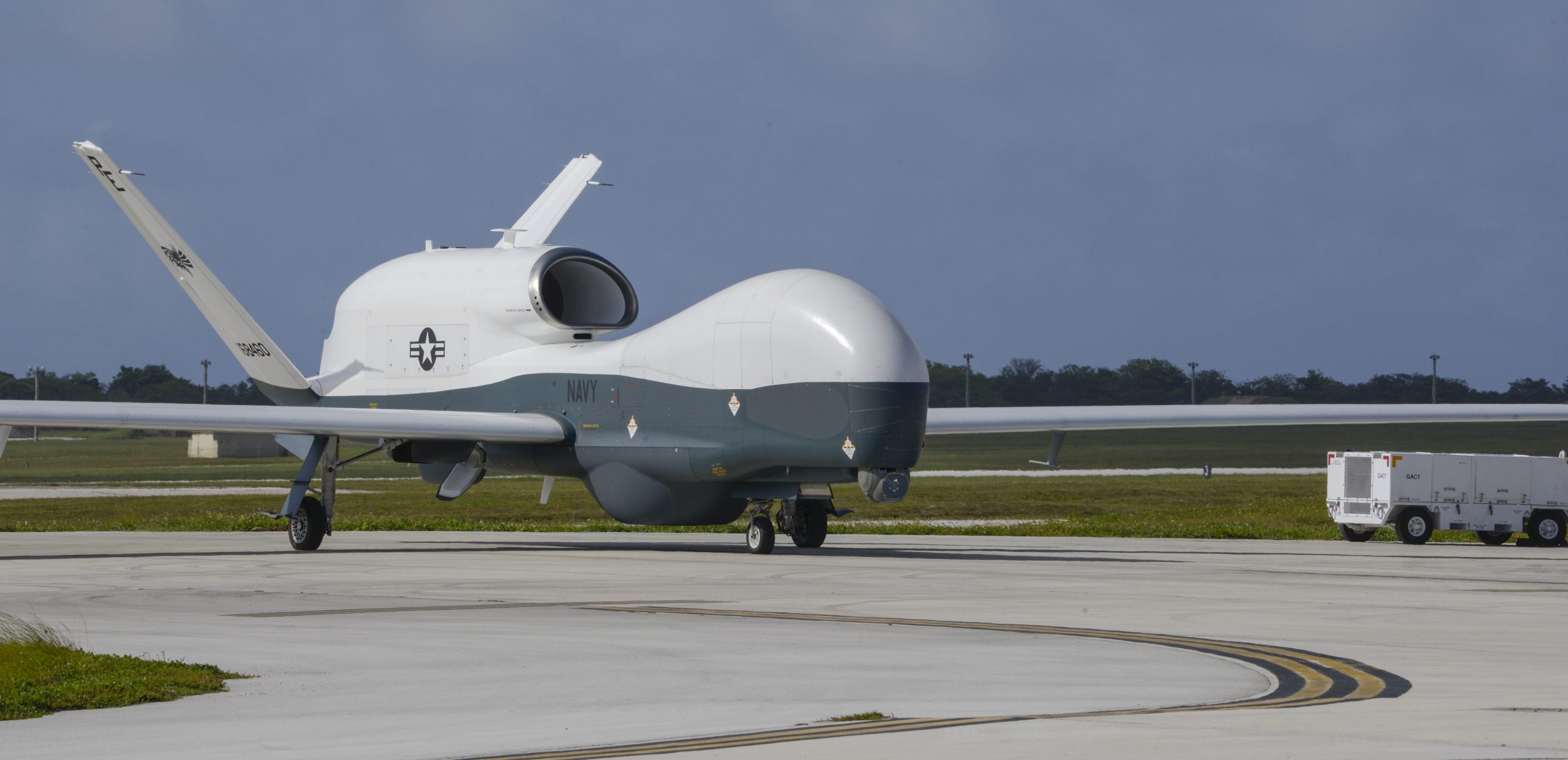
Particular attention went to an account involving drones, reported by La Patilla: in the first days after the January 3 bombing, Rodríguez said, 300 drones followed her everywhere. “That’s why I say independence is something we have to defend every day,” the journalist quotes her as saying. Chilean journalist Fernando Tineo, a Meganoticias correspondent, confirmed on social media that he personally saw a drone bearing U.S. insignia over Caracas.
El Nacional examines the details at length: Rodríguez dismissed rumors of a “close” relationship with Secretary of State Marco Rubio and showed a WhatsApp exchange in which she addressed him as “Mr. Secretary; I don’t call you Marco or little Marco.” In her account, she refused to speak with Washington until she received proof that Maduro was alive, and there were “300 drones overhead” at cabinet meetings in the first few days. Most revealing was her assessment of what had happened: not a betrayal, but “a profound process of transformation.”
Maduro’s trial and head-of-state immunity
The second story is legal. Al Mayadeen, citing Politico notes that Maduro told a Manhattan court he was “the president of Venezuela” and had been “kidnapped since Saturday, January 3,” and that his defense rests on presidential immunity. His legal team is led by Barry Pollack, who represented Julian Assange. If the court rules that the abduction of a head of a sovereign state is permissible, it will set a precedent for future U.S. administrations; if it rejects that position, Washington will suffer a serious defeat.
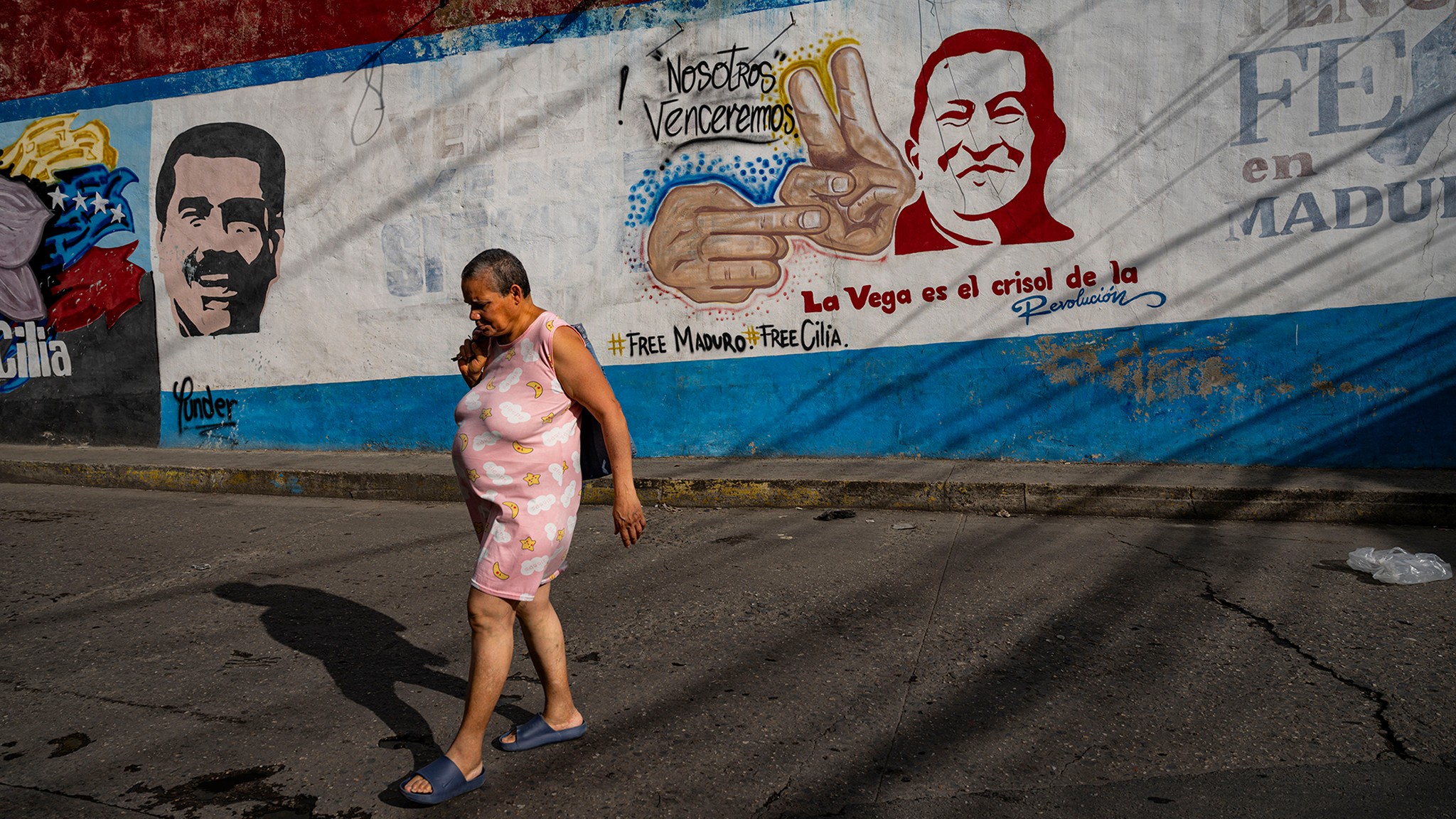
Pressure is also being applied through political parties in Venezuela. According to RIA Novosti, Ilenia Medina, secretary-general of the Homeland for All (PPT) party, which is part of the ruling coalition, is urging the court to recognize the immunity of Maduro and his wife, Cilia Flores, citing conventions on diplomatic relations and the sovereign equality of states. It is telling that the former president’s defense is being pursued not only by lawyers but also by regime institutions, for which his status as the “legitimate president” is a matter of survival.
Oil and money no one is accounting for
The economic story is the most explosive. Aporrea examines how “supervised” oil revenues are handled: under sanctions rules (31 CFR 591), sales are possible only with a license, and payments go into an account controlled by someone other than Caracas. The author raises questions also posed by Democratic lawmakers in the United States: What is the legal basis for holding the money through a bank in a third country—Qatar? Where is the memorandum with the interim government that was made public? Was the Casey-Zablocki Act’s deadline for notifying Congress observed? The KPMG report Rubio cited, the author argues, is not an audit: recipients are concealed, $192.86 million is listed as “disbursed” but not allocated, and the report itself cost Venezuela $18.18 million. The article also raises constitutional questions: is managing reserves at the direction of a foreign power compatible with the Central Bank’s autonomy under Articles 318–320?
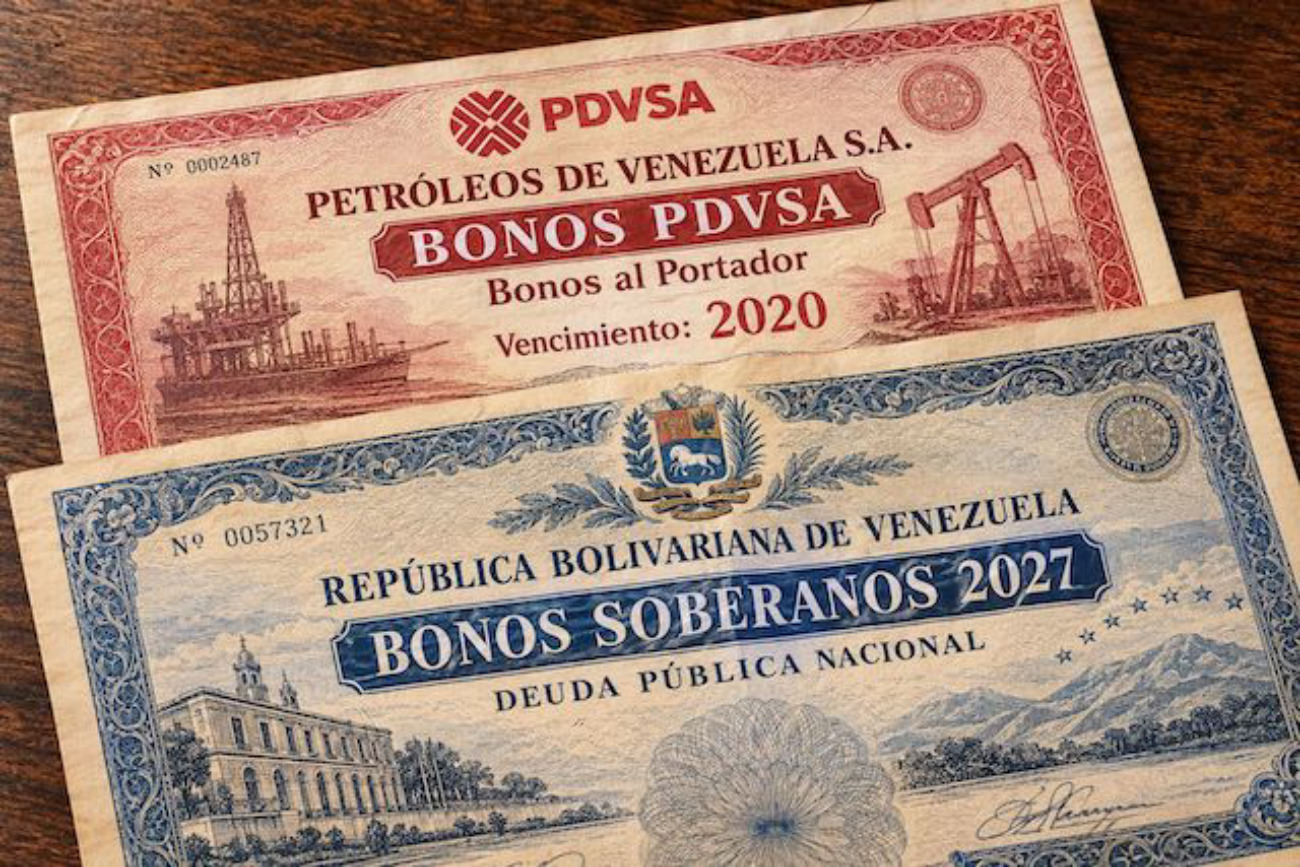
A debt dispute is unfolding alongside this. Esquerda.net analyzes what it calls a “grand restructuring fraud”: PDVSA bonds bought in 2024 for around 12% of face value rose to 40–46% after the U.S. operation. Even if 60–80% of the debt is written off, their holders stand to make profits of several hundred percent. “Who really benefits—the creditor or Venezuela?” the outlet asks rhetorically, implying that speculators, not citizens, are the ones who gain.
A Venezuelan economist on Costa del Sol FM cites official figures: $15.603 billion in revenue through November and an “accounting surplus” of $742.9 million. But he immediately qualifies this: with annual inflation above 300%, wages, pensions, and social benefits have been “crushed,” while spending is controlled by the U.S. Treasury. In his words, the country has retained formal ownership of its oil but lost its financial sovereignty.
“Friends” offended by the comparison
An unexpected story is the falling-out with Iran. La Patilla reports that Iranian Deputy Foreign Minister Kazem Gharibabadi said on state television that Iran was “not Cuba, which can be strangled by a blockade, and not Venezuela, which can be made to surrender.” Caracas responded officially: Eduardo Ramírez Castro, vice minister for Asia and Oceania, wrote on X that the remarks “attack the dignity of the Venezuelan people,” calling for respect for national institutions and an end to comparisons. Notably, the official did not even repeat the offensive phrase in his response—the idea of Venezuela “surrendering” remains too painful a subject.
Later, according to Mehr News, Gharibabadi softened his tone, saying that the fate of nations is decided not by the White House but by the will of the “independent and steadfast” peoples of Venezuela and Cuba. But the damage was done: a country that for years was Tehran’s closest ally in the region now has to defend its “sovereignty” against its friends as well as its enemies.
What remains of Chavismo, and what lies ahead in 2027
The domestic debate over whether the January 3 operation was “betrayal, a deal, or a transition” is well illustrated by Juan Marcos Colmenares’s column for La Patilla. The author claims that the Rodríguez siblings—Delcy and Jorge—held secret talks in Doha over oil licenses, the lifting of international arrest warrants, and offshore guarantees. Their interest, he says, was always “their own share of power and immunity,” not Chavismo as a doctrine. He wryly describes their strategy as “Gattopardismo—changing everything so that nothing changes,” while Maria Corina Machado, he says, remains the only one exposing the “fake transition.”
The argument is echoed in a column in La Prensa Gráfica: the amnesty adopted in February did not free political prisoners but institutionalized them as “commodities” to be bargained over with the United States. More than 11,000 people remain subject to unlawful restrictions, according to Foro Penal. The author notes that the amnesty law is riddled with exclusions: it applies to only 13 specific episodes of protest, leaving everyone else hostage to the system.
An outside perspective grounded in local reporting comes from The Atlantic: after the earthquakes in June, which killed at least 6,500 people, the state effectively failed to help. In La Guaira, rescue workers did not show up for days, and people turned schools into shelters themselves. Local commentators cite the episode as evidence that a regime unable to organize the rescue of its citizens is unlikely to organize fair elections.
Against this backdrop, a Costa del Sol FM analyst recalls the timetable imposed by Washington: renew the Supreme Court by the end of 2026, reform the National Electoral Council in early 2027, and allow voting abroad. Chavismo, without its historic leader, will go into the election without discretionary control over oil revenues and facing an “approved” opposition—“bureaucratic survival has an expiry date, and that date is the ballot box.”
The overall conclusion drawn by local voices is paradoxical: some see Rodríguez as a cynical collaborator, trading sovereignty for immunity; others see her as a pragmatist who bought the country time and secured the lifting of some sanctions. But both sides agree on one point: Venezuela today is a state with formal independence but de facto external rule, where key decisions about oil, debt, and even who is flying the drones are made not in
```html