Venezuela has been living at two different speeds over the past two days: on the one hand, flowers laid at the statue of George Washington and talk of the “250th anniversary of U.S. independence”; on the other, congressional hearings in Washington on where billions of dollars in oil revenue went, and the bitter irony of veteran diplomats talking about a “change of handlers.” The key events are a symbolic gesture in Caracas on November 6; the return to public life of opposition leader María Corina Machado, whom both Caracas and Washington are asking to “keep the boat steady”; and the broader foreign-policy context: Donald Trump’s remarks describing Venezuela as “territory” and the new balance of power in the U.S. Congress after the midterm elections.
Washington Plaza and the Language of Gestures Instead of Ultimatums
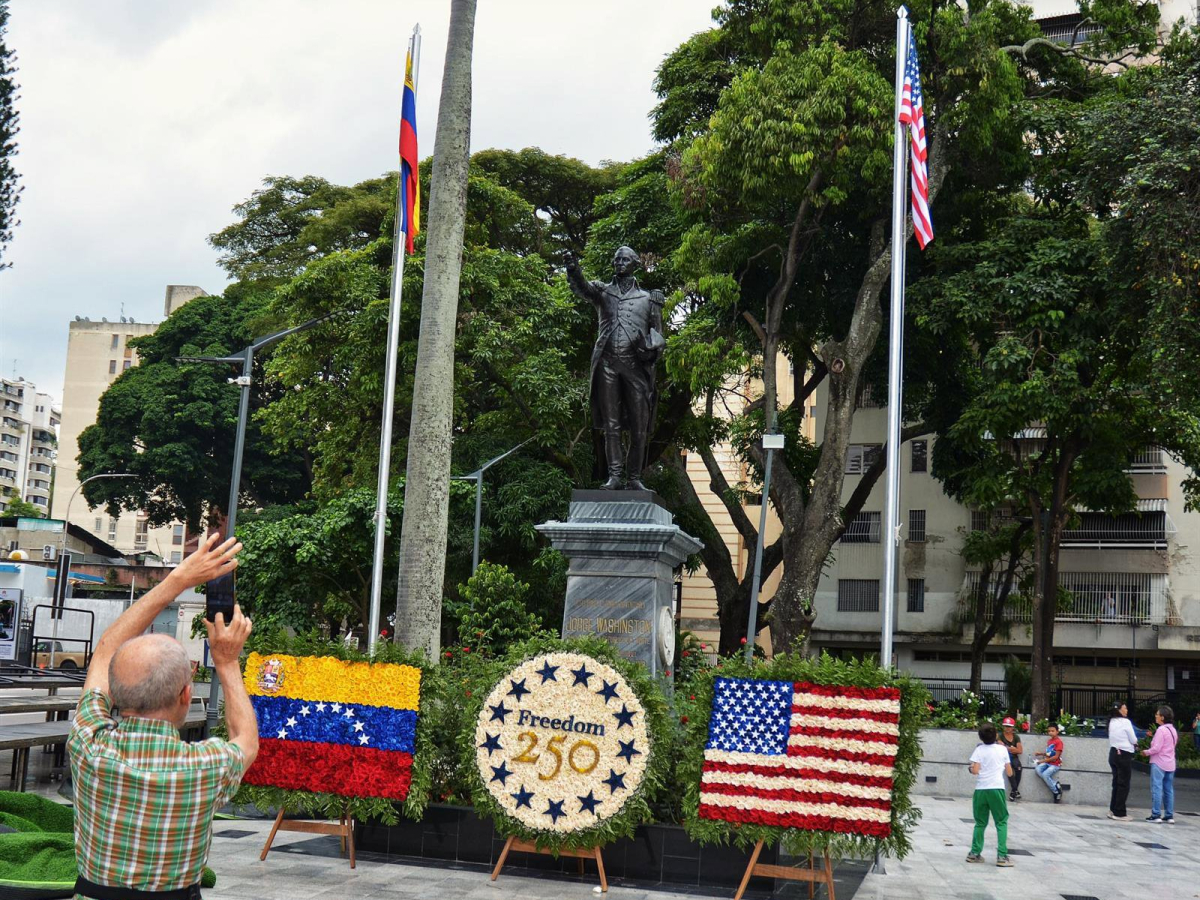
On November 6, acting President Delcy Rodríguez and U.S. Chargé d’Affaires John Barrett ceremonially reopened Washington Plaza in the El Paraíso district after its restoration and laid flowers at the statue of the first U.S. president. The event was attended by the ministers of economy, infrastructure and foreign affairs, while the U.S. delegation included the deputy secretary of state for South America and senior officials from the Treasury and Energy departments, according to Notimérica and Demócrata. Rodríguez drew a parallel between Washington and Simón Bolívar: “This restoration is a tribute to the memory of a leader of independence and president of the United States... just as Bolívar opened the way for the peoples of the Americas. We join in celebrating the 250th anniversary of U.S. independence.”
The symbolism matters. On the same day, according to Efecto Cocuyo, Delcy’s brother, National Assembly President Jorge Rodríguez, accepted an invitation from Barrett and spoke of “close ties of cooperation.” Officially, this is presented as diplomatic normalization; unofficially, it is a public demonstration that the “Rodríguez camp” holds the keys to a deal with Washington. At the same time, the same sources note, Washington continues to demand a replacement of the “electoral infrastructure” inherited from the previous regime and firm deadlines for a transition.
Machado’s Return and Two Requests to “Stay Out of the Way”
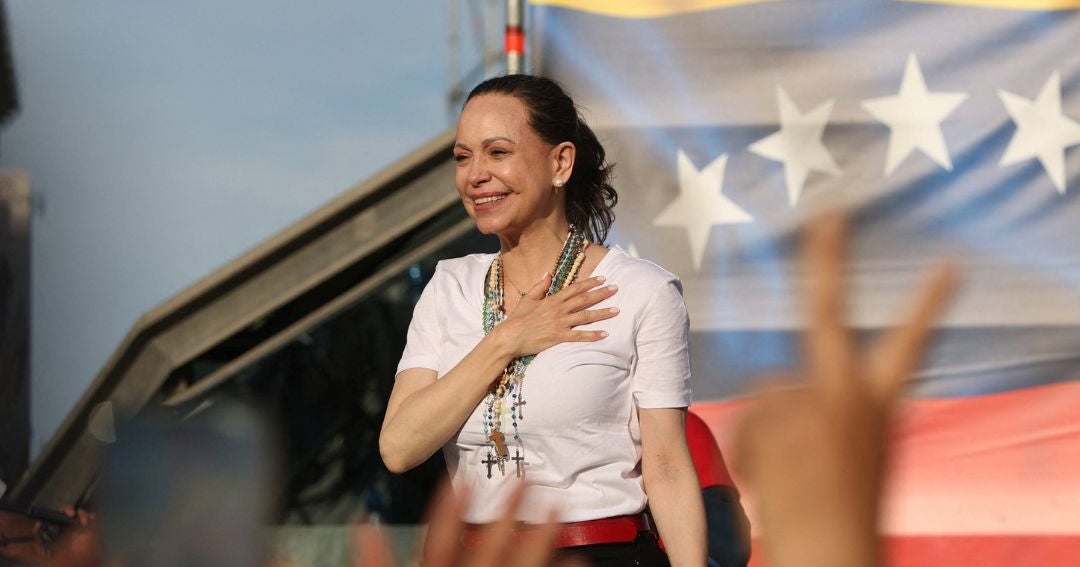
María Corina Machado’s return to the country on October 25 and her public appearances—meeting relatives of political prisoners outside El Rodeo prison and calling for “Freedom for all political prisoners”—have become a second focal point. According to La República, Machado said: “Many people have disappeared. Thousands have been persecuted. Thousands have been tortured. Twenty-three political prisoners have died in custody since 2015... You are not alone.” Human rights organization Foro Penal counts at least 322 political prisoners, the same report says, although Rodríguez said last week that more than 9,000 people had been released under a limited amnesty.
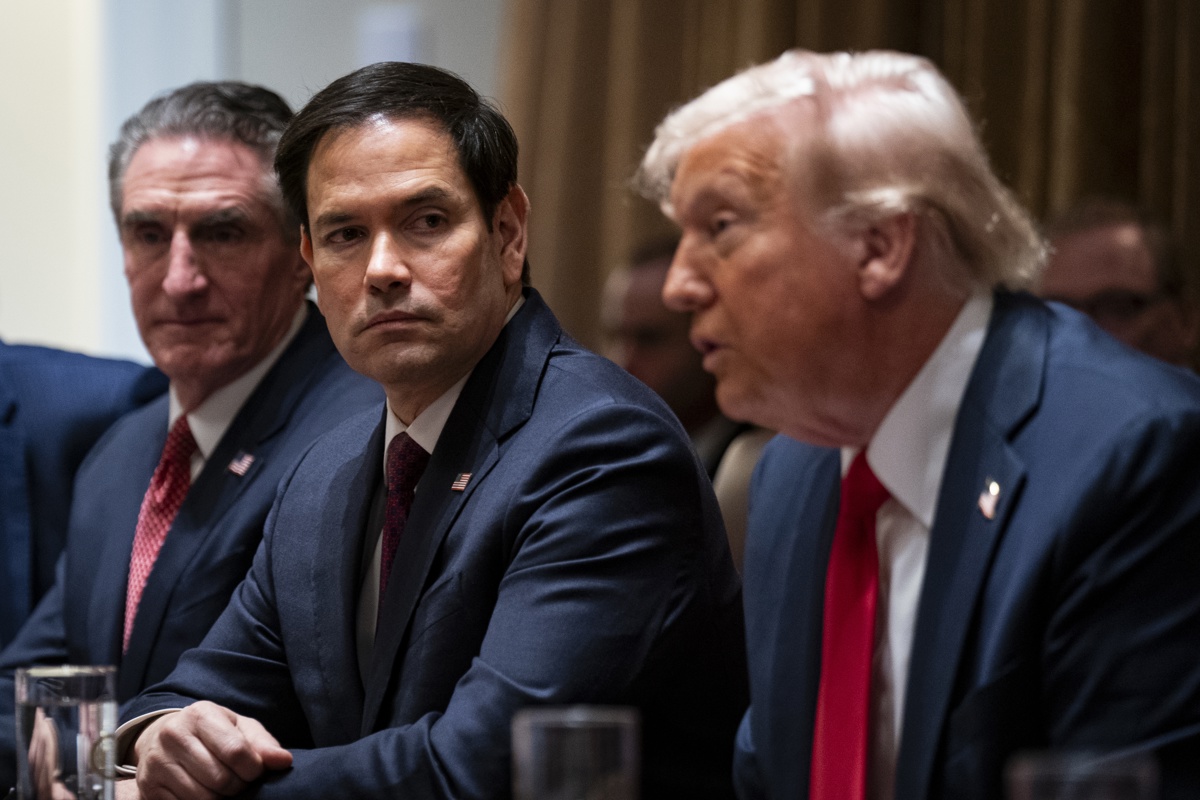
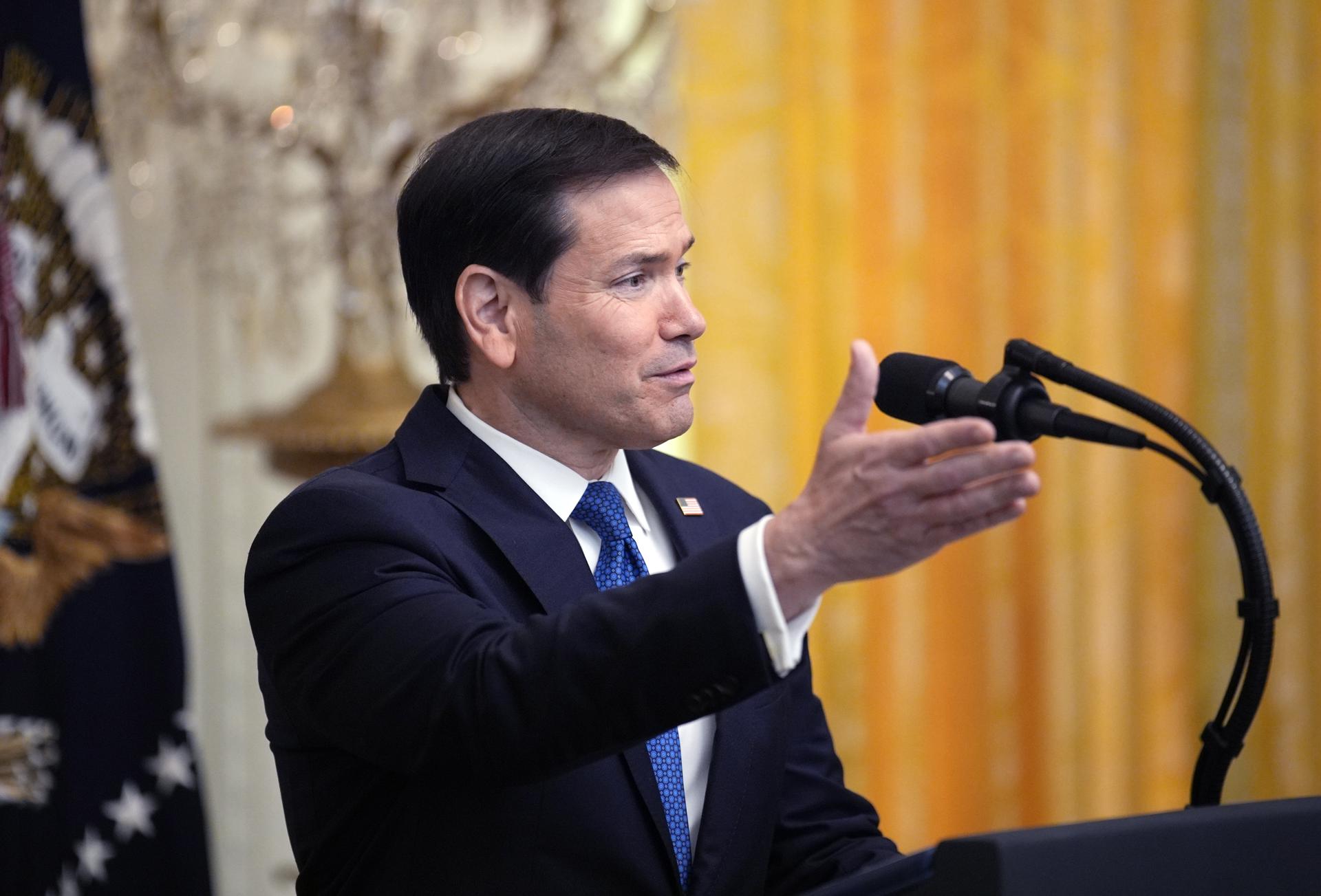
A column by José Luis Farías in El Nacional has become a key part of the Venezuelan debate. He read The Wall Street Journal’s report as an “instruction manual”: Washington is simultaneously telling Rodríguez not to interfere with Machado and Machado to “keep the boat steady.” “This double warning is not a diplomatic balancing act: it is an acknowledgment that Venezuelan politics has been replaced by the administration of a de facto protectorate led by Rubio with Trump’s backing,” he writes, adding that “democracy without a date” risks becoming a “permanent trailer” without a film. Secretary of State Marco Rubio publicly observed that “you don’t achieve democracy through street protests,” and that “anyone who tries to derail the process will do great harm to Venezuela.”
Opinions differ, however. Moderate Chavista Vladimir Villegas told Le Journal du Dimanche that “everyone knows Rubio is the architect of her return; he is secretly coordinating a transition plan directly with Delcy Rodríguez. In practice, Machado’s presence will change nothing—it is more emotional than practical.” Former ambassador Milos Alcalay, by contrast, quips: “We have gone from Cuban tutelage to American tutelage,” but adds that “Delcy won’t stop her: her support is too widespread.” Rodríguez herself responded to the opposition leader’s rallies with the remark: “She could have done without the show.”
Oil Contracts and Congressional Subpoenas
The main legal issue is an investigation into the oil agreement. As El Observador explains, after the midterm elections Democrats gained the ability to restart the investigation. The deal gives the United States 20% of North American Blue Energy Partners’ (Nabep) output at cost, as well as priority rights to purchase the remaining 80%. The company is headed by Venezuelan Alejandro Betancourt, who has faced law enforcement scrutiny in Venezuela, Spain and Switzerland, while the Pentagon is to receive a 35% stake. In September, Congressman Joaquín Castro called for a subpoena—a compulsory demand for documents—saying: “We don’t know where the money is coming from or where it is going.”
Political scientist Miguel Ángel Martínez puts it carefully in the same report: “Foreign policy remains an area in which the president retains broad powers... Democratic investigations are unlikely to halt the course on Venezuela, but they will force it to meet higher standards of transparency and congressional oversight, and may even accelerate pressure for elections.” Political scientist Enderson Sequera echoes this view, seeing Rubio’s remarks as a “more operational version” of the U.S. three-phase plan—stabilization, recovery and transition—with a new Supreme Court in December, a new National Electoral Council and a declaration of the presidency as vacant in 2027. His colleague Santiago Rodríguez adds that speeding things up narrows the “room for maneuver” for both Chavismo and the transitional administration.
“Territory,” “Conquest” and the Longstanding Debate over Sovereignty
Donald Trump’s rhetoric has added an emotional charge to the dispute. In an interview with 60 Minutes, he said the United States had “already taken billions and billions of dollars,” and remarked of Venezuela: “You can call it territory, you can call it whatever you want. We won that war in less than an hour”—quoted by uPolitics. The report also cites the response of critics in Venezuela, who call the arrangement “a new form of colonialism,” pointing to Trump’s open admissions about the oil. The legal argument is disputed, however, by independent fact-checkers: CheckThisFact notes that the U.S. president has no legal right to “take” Venezuelan oil, and that any such claims are based on political rhetoric rather than law.
Against this backdrop, left-wing Venezuelan publications insist on a structural interpretation. Kelly H. Pottella, writing for Aporrea, describes OFAC licenses (issued by the Treasury Department’s Office of Foreign Assets Control) not as “gestures of mercy,” but as “tactical concessions to manage oil flows in line with the needs of the Anglo-Saxon market.” He recalls 1,089 “unilateral coercive measures” and tens of billions of dollars in frozen assets, noting that “anyone who analyzes the balance of power understands that licenses are not reconciliation.” In a separate article, the same outlet traces a “metamorphosis of discourse”: on January 3, 2026, after the U.S. operation and the detention of Nicolás Maduro, the Supreme Court’s Constitutional Chamber characterized the events as the “kidnapping” (secuestro) of the president and his “temporary inability” to carry out his duties—the basis for a renewable status as “acting” president, rather than for early elections. In January, Delcy herself swore “by the name of the kidnapped heroes, hostages in the United States.” By September, at the UN General Assembly, the word “kidnapping” had disappeared from her vocabulary. In its place came gratitude to Trump “for his willingness to return to the path of diplomatic relations.”
What Remains Unchanged
The overall conclusion of local analysts is that normalization is under way, but on terms called “tutelage” in Caracas and “stabilization” in Washington. The economic picture is already clear: according to the EIA, U.S. imports of Venezuelan oil reached 701,000 barrels per day in July, the highest level since 2017, while China has effectively disappeared from the statistics as a buyer of Venezuelan oil in 2026, Line Today reports. The political picture, in Farías’s words, is “transition without a transition”: institutions are being “renewed” without changing hands. For now, the prevailing view in Venezuelan society is that both sides—the government and the opposition—are accepting rules set outside Caracas. That is what makes Washington Plaza, adorned with flowers, as symbolic as it is contradictory: a gesture of reconciliation and a reminder of the price being paid for it.