Donald Trump’s statements about the possible use of Venezuelan oil to replenish the US strategic reserves have sparked a particularly painful debate in Venezuela over national sovereignty, dependence on investment and the future of the state-owned oil company PDVSA. As Venezuelan publication El Estímulo notes, the issue is not merely a commercial agreement, but also the symbolism of control over the country’s main resource.
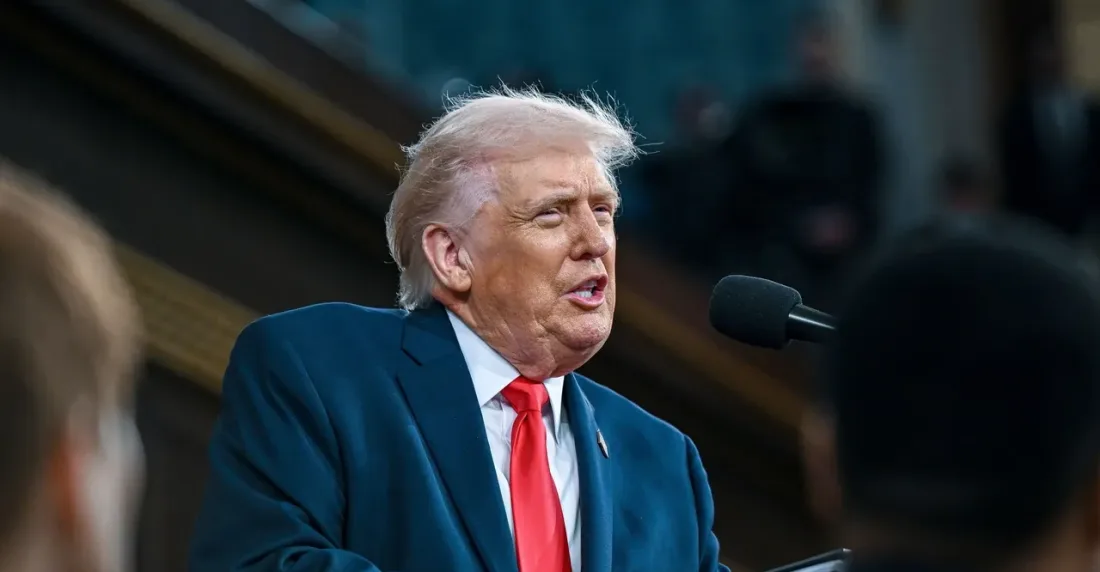
According to the report, Trump called the arrangement “historic” and said that the United States would gain control over more than 65 billion barrels of Venezuela’s proven reserves. He said this would allow the US to more than double its oil reserves, increase market supply and eventually lower gasoline prices for American consumers. In the Venezuelan context, particular irritation was caused by the wording suggesting that the oil would become “a gift from Venezuela to the American people.”
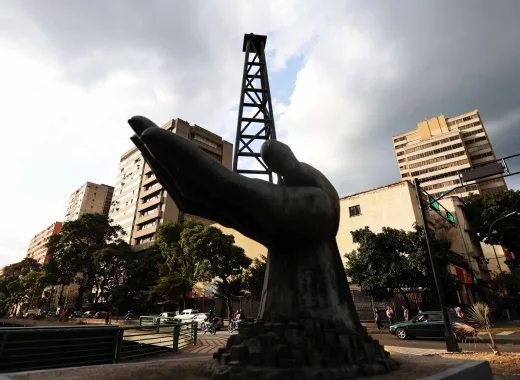
For Caracas, such rhetoric is extremely sensitive. For decades, oil has been the foundation of export revenues, state power and perceptions of national independence. Venezuelan oil policy has historically been based on the idea that the country should receive the main benefit from its own natural resources—from the nationalization of the industry to later disputes with foreign companies and Washington over sanctions, licenses and export restrictions.
Venezuela’s acting president, Delcy Rodríguez, explains the need for cooperation pragmatically. According to her, the country has the world’s largest oil reserves but lacks the financial resources, technology and production capacity needed to restore output on its own to the required levels. From this perspective, an agreement with the United States should bring capital, equipment and technological expertise into the industry—without which the vast reserves will remain untapped potential.
This is where the central contradiction emerges. On the one hand, Venezuela needs investment after years of declining production, funding shortages, sanctions pressure and the deterioration of PDVSA’s infrastructure. Foreign participation could theoretically mean expanded production, new jobs, increased exports and an inflow of foreign-currency revenues. On the other hand, the US emphasis on replenishing its own strategic reserves heightens concerns that Venezuelan oil will primarily serve American energy security.
For some in Venezuelan society, a possible agreement may appear to be a necessary opportunity for economic recovery. For others, it carries the risk of a return to external dependence and a weakening of state control over a strategic resource. In a country where oil wealth has long been not only an economic asset but also part of the national identity, references to a “gift” to a foreign power are perceived as anything but a neutral description of a trade arrangement.
At the same time, the accuracy of some widely circulated claims requires separate verification. In particular, the Facebook post cited in reports about the transfer to the United States of majority rights to 17 Venezuelan oil fields does not, in fact, contain confirmation of such a deal, its terms or dates, or comments from officials. As follows from the post in question, the material provided does not justify claiming that the United States obtained majority rights to the fields or that there have been confirmed Venezuelan reactions to such terms.
The discussion should therefore be divided into two levels. On the one hand, the El Estímulo report reflects a real concern in Venezuela: despite possessing enormous oil reserves, the country is forced to seek external assistance to develop them. On the other hand, the specific parameters of the alleged deal, the extent of US control and the legal distribution of rights require independent documentary confirmation. Without such confirmation, it is premature to speak of the transfer of control over the oil fields as an established fact.