
Venezuela is discussing the oil deal announced by Donald Trump—seen by some as a major economic opportunity and a mutually beneficial “victory,” and by others as a dangerous concession of the country’s natural resources. At the center of the debate are questions about whether the country’s authorities have retained control over its oil assets and whether Trump is seeking stakes in Venezuelan oil fields. This material is based on publications by holanews.com and Facebook (Venezuela).
The U.S. Oil Deal Has Become a Symbol of Revival for Venezuela
In Caracas, the proposed oil agreement between Venezuela and the United States is viewed as a potential turning point for the economy, which has endured years of declining production, sanctions pressure, a lack of investment, and deteriorating infrastructure. Venezuelan authorities describe the arrangement as historic, while some opposition-minded citizens see the return of American capital and technology as a chance to “restore and elevate” the national oil industry.
Acting President Delcy Rodríguez, commenting on the arrangements, said they represented a “historic” stage in relations between Caracas and Washington. According to Hola News / EFE, the Venezuelan side links the agreement not only to increased oil production but also to economic recovery, job creation, and an improved standard of living.
According to Rodríguez, the project could encompass the development of 17 strategic fields with confirmed potential reserves of 65 billion barrels. Investment, she estimated, will exceed $100 billion, while tax revenues could amount to more than $209 billion. These funds, she stressed, should be directed toward “national development, job creation, higher workers’ incomes, and the well-being” of Venezuelan citizens.
For Caracas, restoring the oil industry’s productive capacity is particularly important. Current production stands at around 1.23 million barrels per day; Rodríguez called this the highest level since February 2019. However, for a country with the world’s largest proven oil reserves, this figure remains a reminder of the industry’s massive decline. State-owned PDVSA and the oil infrastructure as a whole have faced chronic shortages of capital, technical problems, and limited access to equipment and foreign markets.
In the official Venezuelan interpretation, the agreement should open a “new stage of recovery, growth, production, security, and prosperity for the people.” It is also linked to the resumption of diplomatic relations between Venezuela and the United States in March, following a seven-year break. The authorities emphasize that the partnership could strengthen not only Venezuela’s economy but also the energy security of the entire Western Hemisphere.
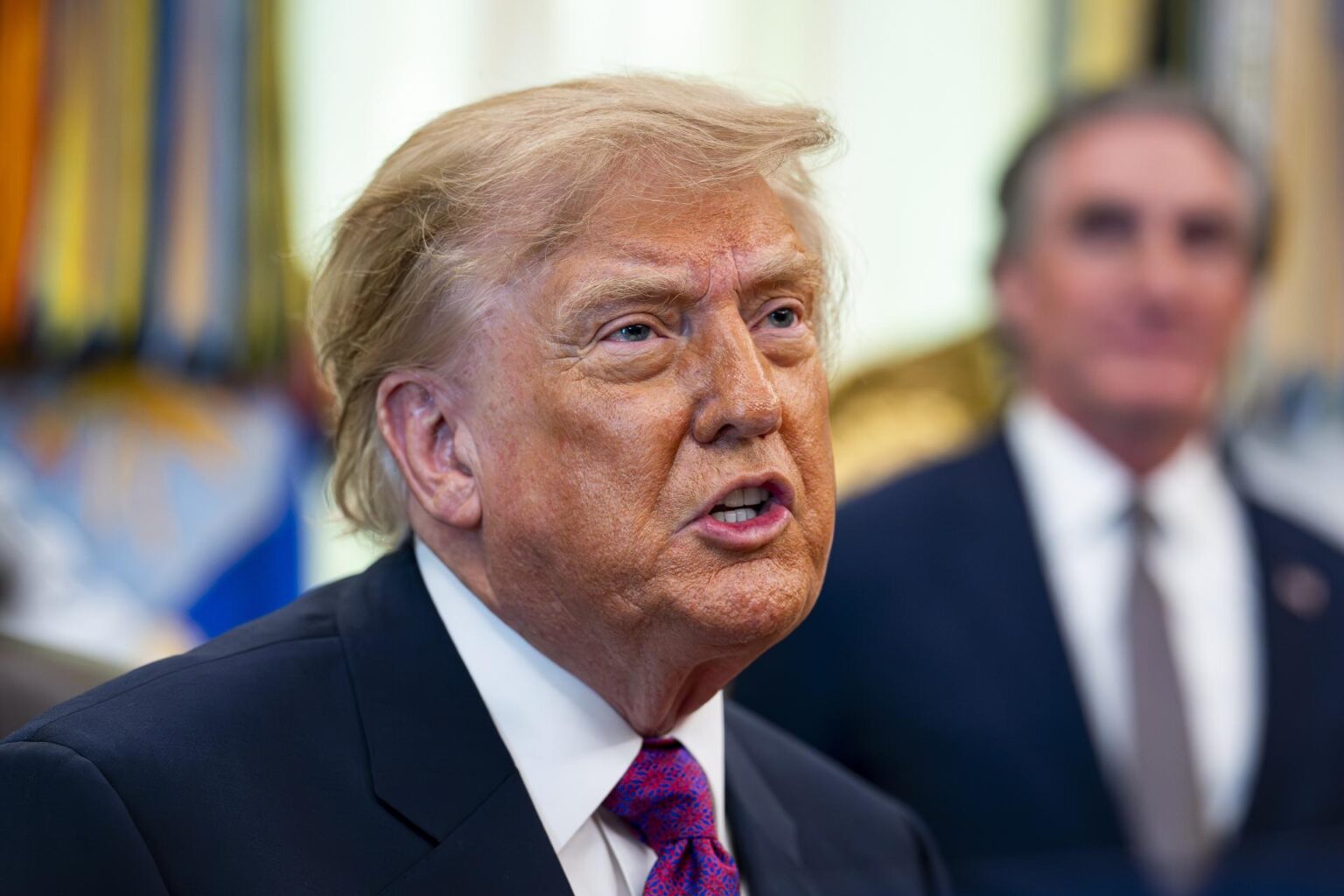
At the same time, Caracas and Washington place noticeably different emphasis on the arrangement. Donald Trump presented the deal as a mechanism that would give the United States “majority control” over Venezuela’s reserves and effectively allow it to double its oil reserves. Venezuelan authorities, by contrast, avoid language suggesting dependence or the transfer of control over resources, emphasizing mutual benefit, national development, and an inflow of investment.
A positive but more emotional reaction to the prospect of the United States returning to the industry was posted by the author of a comment on the U.S. Embassy in Venezuela’s page. The author described the agreement as an opportunity to “RESTORE AND ELEVATE” the country’s oil industry and thanked the United States for supporting Venezuela.
The author harshly assesses the industry’s previous management, stating that it had long been “in the hands of unworthy, corrupt people devoid of moral values.” This assessment reflects a widely held view among some Venezuelans: the causes of the oil crisis are attributed not only to external restrictions but also to corruption, ineffective management, and the politicization of PDVSA.
Under this logic, the United States is not a threat to national sovereignty but a potential source of technology, financing, and management expertise. Supporters of closer ties hope that American companies can help modernize production and refining facilities, increase exports, generate foreign-currency revenues, and create new jobs.
However, the issue of control over natural resources remains extremely sensitive for Venezuela. For decades, oil has been one of the country’s main symbols of sovereignty, particularly following the nationalization of the industry and the creation of PDVSA. Any possible expansion of American business participation therefore inevitably raises a question: can Venezuela attract the external capital it needs while retaining genuine control over its most important national asset?
Both Caracas’s official rhetoric and the emotional support expressed by some members of the public are united by a shared hope for recovery. Yet the need for more than $100 billion in investment, infrastructure modernization, and the return of foreign companies underscores the depth of the crisis: Venezuela’s enormous oil reserves alone do not guarantee prosperity if the country cannot secure the necessary technology, effective management, and stable political relations with external partners.
![Caracas, Aug. 28 (EFE). — Acting Venezuelan President Delcy Rodríguez confirmed this Friday a “historic oil agreement” with the United States and expressed her “deep” gratitude to that country’s President Donald Trump and U.S. Secretary of State Marco Rubio for their “willingness to support the development” of the alliance, which she called a “historic milestone in […]](https://d3k76ktnld9l0g.cloudfront.net/wp-content/uploads/2026/08/28232108/rss-efe74951f5b6c088da79bdb2ffa63b50f87402c131fw.jpg)
