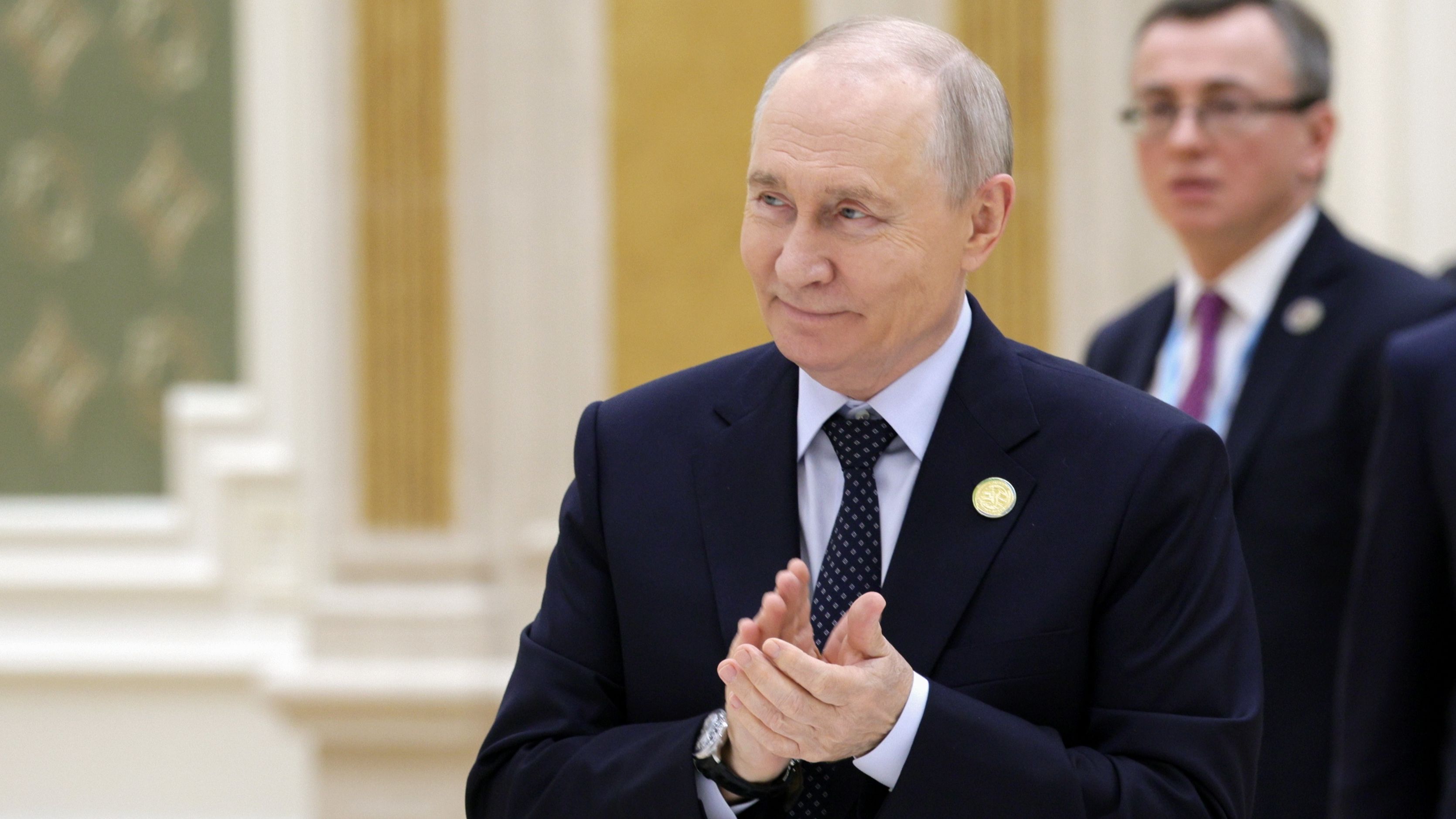
The focus is on Donald Trump’s attempts to establish a new line in relations with Iran and Russia. Reports of a possible deal with Tehran, an unusual agreement with Vladimir Putin on diesel-fuel supplies, and the influence of the upcoming midterm elections on decisions concerning Iran have intensified debate over the consistency and credibility of the US president’s foreign policy. These steps are viewed not only as geopolitical maneuvers but also as part of Trump’s domestic political strategy.
This article is based on reports by RTVE, Facebook and Los Angeles Times (Venezuela).
Oil, Diesel and Iran: US, Russian and Venezuelan Energy Diplomacy
Reports of simultaneous US contacts with Russia concerning both a settlement with Iran and diesel-fuel supplies demonstrate how closely diplomacy, sanctions, energy prices and domestic politics are intertwined today. For Venezuela, which maintains political and energy ties with both Moscow and Tehran and has itself lived under US restrictions for many years, these developments have clear strategic significance. However, it is important to distinguish contextual interpretation from documented facts: neither the RTVE report, nor the Los Angeles Times article based on an AP report, nor the short Diario SUR post contains statements by Venezuelan authorities, parties, experts or organizations.
At the center of the first story is Russia’s attempt to facilitate negotiations between Washington and Tehran. According to RTVE, Vladimir Putin told Donald Trump that the United States and Iran “can and should” reach a peace agreement. The Kremlin is proposing, among other things, moving Iran’s enriched uranium to Russia in order to break the deadlock surrounding the nuclear program. According to the report, Trump thanked Moscow for its involvement and assured it that he would not attack Iran before the US congressional elections.
Iranian President Masoud Pezeshkian, for his part, stressed: “We have never left the negotiating table,” adding that “everyone must respect our rights.” His warning against “unilateral positions” particularly echoes the rhetoric of countries opposed to sanctions and external pressure. Russia’s position that diplomatic possibilities are “far from exhausted” fits the line Caracas has traditionally supported on the international stage: rejecting military escalation, externally imposed regime change and economic blockade in favor of negotiations and the principle of noninterference.
For Venezuela, a possible reduction in tensions surrounding Iran has not only political but also economic implications. Caracas and Tehran are oil-producing countries that have faced various forms of US sanctions and have developed cooperation in refining, fuel supplies, trade and technical assistance. A military conflict with Iran or increased pressure on it could raise volatility in the oil market, complicate trade routes and intensify geopolitical pressure on Venezuela’s partners. At the same time, an agreement between the United States and Iran could alter the balance of oil supply and competition in markets where Caracas is seeking to increase exports.
At the same time, attention was drawn to reports that the United States was prepared to purchase Russian diesel fuel. According to the Los Angeles Times, Trump reached an agreement with Putin on the immediate supply of more than 300,000 tons of Russian diesel, to be followed by several million more tons in the following weeks. The aim was to lower fuel prices for American “farmers, ranchers and truck drivers” ahead of the congressional elections.
To implement such supplies, the US Treasury Department would reportedly have to issue a temporary license allowing Russian diesel to be supplied to the global market until April 2027. In the more politicized wording of Diario SUR, the decision is presented as a move by a president “driven into a corner by the polls.” The emphasis on the need to make fuel cheaper shows that diesel and gasoline prices remain among the most sensitive factors shaping electoral sentiment, even in the world’s largest economy.
From Venezuela’s perspective, such a shift could be seen as an illustration of the flexibility and selectivity of sanctions policy. The United States may condemn Russia while simultaneously viewing Russian fuel as a tool for containing domestic prices and inflation. For a country with the world’s largest proven oil reserves that has nevertheless experienced fuel shortages, refining crises, dependence on external supplies and export restrictions, this contradiction is particularly striking.
For many years, Venezuela has faced financial and oil sanctions limiting exports, investment, access to technology, international settlements and refining capabilities. Against this background, a temporary easing of restrictions on Russian diesel could reinforce a common argument in Caracas: energy sanctions are determined not only by stated foreign-policy principles but also by Washington’s current economic, strategic and electoral interests.
The contrast is also underscored by the history of US relations with Venezuela’s oil industry. Washington has repeatedly used selective licenses, including licenses issued to Chevron at various times, to regulate contacts with Venezuela’s oil sector. The possible import of Russian diesel could therefore be viewed as confirmation that access to markets and the easing of restrictions often depend on the needs of the US economy—energy prices, the migration agenda, elections or regional security.
The decision has drawn criticism outside Venezuela. Ukrainian President Volodymyr Zelenskyy called it “a weak decision by strong partners” and said it provides Russia with resources to continue the war. Democratic US Congressman Don Beyer described the move as “irritating” and said that Trump was “lifting sanctions on Russian fossil fuels.” These assessments, however, do not represent Venezuela’s position and cannot substitute for a reaction from Caracas.
For Venezuela’s economy, the liberalization of Russian petroleum-product supplies could have mixed consequences. Additional volumes of Russian diesel could intensify competition for markets, buyers, transport routes and prices, including for Venezuelan heavy crude and refined products. But the very fact that the United States is prepared to adjust restrictions when energy needs arise also confirms that hydrocarbons remain a geopolitical lever. For an economy heavily dependent on oil, this means both risks and an argument in favor of more predictable trade rules, as well as an easing of restrictions on PDVSA.
Thus, Moscow and Washington’s contacts over Iran and diesel fuel are united by a single logic: international energy remains simultaneously an instrument of diplomacy, a source of budgetary and social risks, and a crucial factor in domestic politics. In Venezuela, where fuel costs affect transportation, food, agriculture, social stability and support for the government, these developments inevitably acquire additional significance. But a specific official reaction from the country to Russia’s mediation on Iran or to US purchases of Russian diesel would require direct statements from Venezuelan sources, which are absent from the publications cited.