Only a few publications in today’s roundup are directly devoted to Washington’s actions and diplomacy. Most of the attention focuses on regional countries’ concern over U.S. pressure on Iran, tensions between the United States and Ukraine’s leadership, and the risk of further escalation around Iran and Yemen. The remaining articles address domestic politics, markets, culture, sports, and other topics, without forming a unified picture of the international response. The review is based on material from El Nacional, El Sol del Sur Tampico, and Vierne5 (Venezuela).
Venezuela Between Modernization, Freedom of Speech, and Trust
Venezuela is facing several challenges at once, and its ability to resume full international ties and restore citizens’ trust in state institutions depends on how they are addressed. The modernization of the country’s main airport in Maiquetía, the resumption of international flights, sanctions and banking restrictions, and the debate over reforming the “Law Against Hate” all reflect a common problem: can the authorities provide not temporary measures, but predictable rules, functioning infrastructure, and genuine guarantees of rights?
Simón Bolívar International Airport in Maiquetía, located near Caracas, remains Venezuela’s main air gateway. For a country that has experienced a decline in international connections, population outflow, and deteriorating infrastructure, its condition is significant not only technically, but also politically and economically. As El Nacional notes, earthquake damage aggravated a problem that had existed beforehand: the airport needed not cosmetic repairs, but systemic modernization.
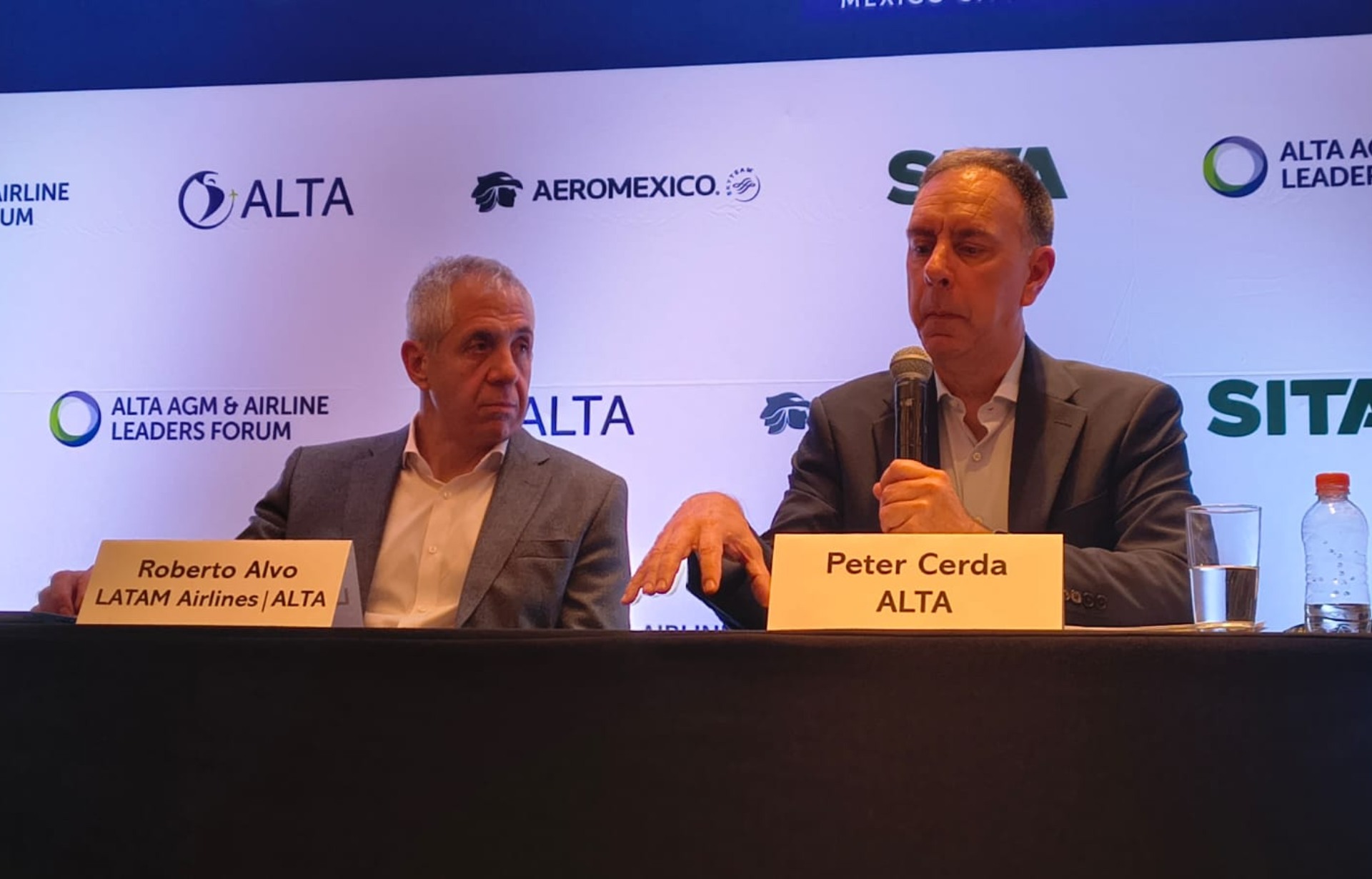
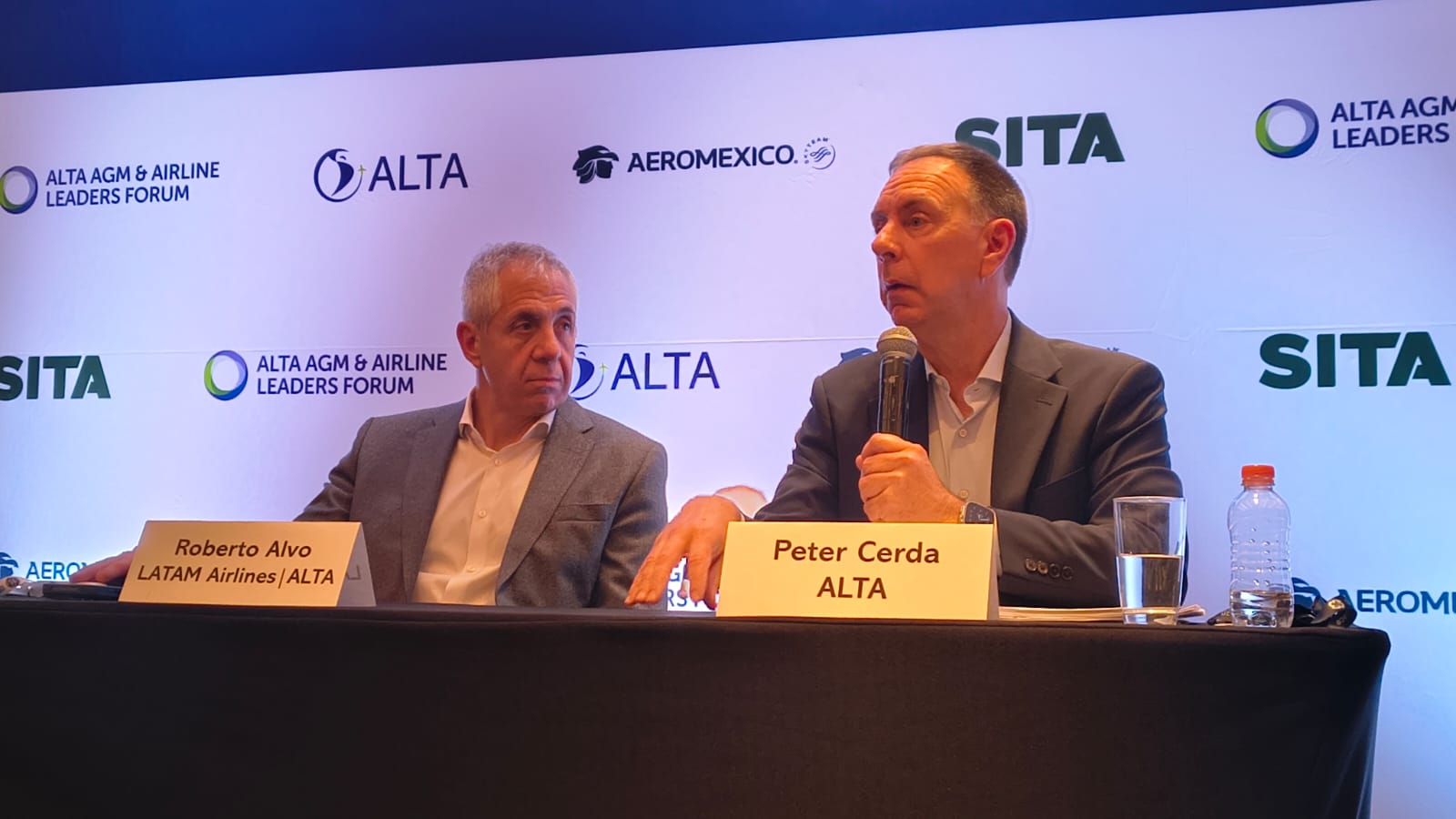
Peter Cerdá, IATA’s Regional Vice President for the Americas and Chief Executive Officer of the Latin American and Caribbean Air Transport Association (ALTA), said that before the disaster, Maiquetía was already “in unsatisfactory condition.” According to him, the terminal must now be restored in an improved temporary format, while preparations begin on a long-term investment project. Over the next “eight or nine months,” the industry intends to seek the government’s approval of a master plan designed to meet demand over the next 25–30 years.
This approach suggests that the earthquake’s aftermath could become an opportunity not merely to repair the damage, but to reconsider the airport’s entire development model. Maiquetía must be ready to handle future passenger traffic, attract international carriers, and ensure the smooth operation of logistics, trade, and ties with the Venezuelan diaspora.
Infrastructure alone, however, is not enough. Venezuelan aviation lawyer Rodolfo Ruiz of Ruiz & Partners stresses that “Venezuela has a great deal of work ahead.” His main conclusion is even more direct: “If infrastructure does not grow, aviation in Venezuela cannot grow.” This concerns not only runways and terminals, but also the renewal of national airlines’ fleets, access to financing, investment protection, and clear conditions for foreign partners.
Sanctions and restrictions on international payments pose a particular problem. Formally, Venezuela’s foreign-exchange regulations allow funds to be transferred abroad, but in practice banks may refuse transactions or delay them because of sanctions-compliance requirements. As a result, legal permission does not always translate into the ability to purchase an aircraft, pay for leasing, carry out maintenance, or guarantee the repatriation of profits to a foreign carrier. For aviation, where the operation of a route depends on regular settlements, insurance, supplies, and technical support, this becomes a systemic obstacle.
Against this backdrop, LATAM’s decision to resume direct flights between Santiago and Caracas in early 2027, after a break of more than ten years, could be an important signal. The group’s chief executive, Roberto Alvo, linked the airline’s plans to the efforts of the Venezuelan and Chilean authorities, as well as the restoration of consular relations. For Venezuela, the route has significance beyond commercial considerations: it is important for migrants, separated families, businesses, and the restoration of regional dialogue.
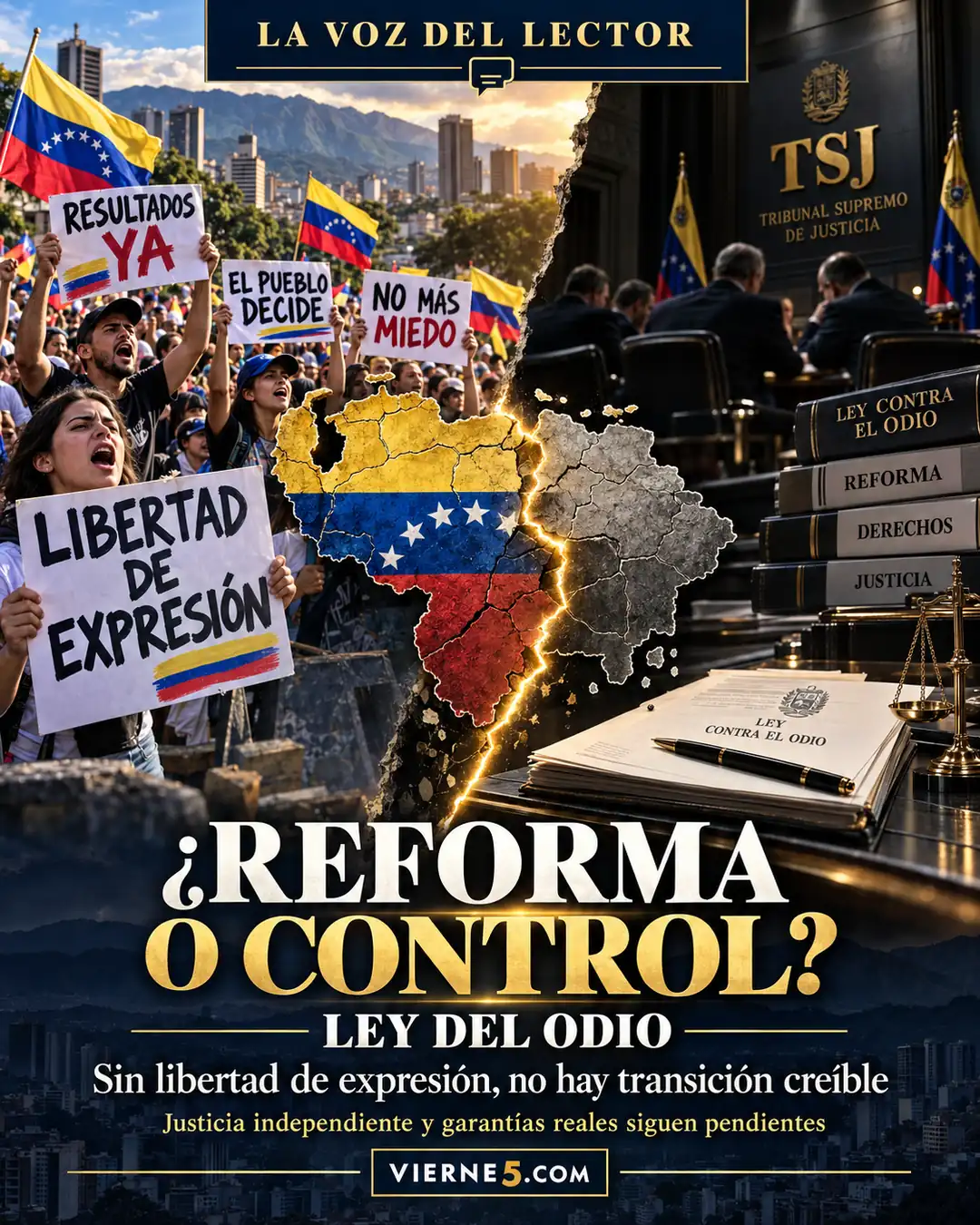
For Venezuelans, however, the question of trust in institutions is not limited to aviation and investment. An article in Vierne5 discusses citizens’ distrust of a possible partial reform of the “Law Against Hate.” For critics, the problem lies not only in individual provisions of the law, but also in how it has been applied since 2017—as a mechanism for pressuring journalists, activists, politicians, and citizens who criticize the authorities.
According to Foro Penal, since the law was adopted, at least 927 people have been accused of “inciting hatred.” For many Venezuelans, this figure confirms that vague wording can be used to prosecute people for their statements, rather than solely to combat actual violence or discrimination.
The publication also points to continuing restrictions in the digital sphere. Although some barriers to internet resources have been eased, monitoring by VE Sin Filtro in October recorded 143 domains blocked by at least one internet provider. Among them were 24 active news websites. Under such conditions, statements about liberalization are treated cautiously: the partial lifting of restrictions does not yet amount to lasting protection for freedom of speech.
The central question raised by critical readers is why the authorities are proposing to amend individual provisions of the law rather than repeal it entirely, if they acknowledge that abuses have occurred. The concern is captured in the phrase: “Fear does not disappear when laws are renamed.” Another quotation is also telling: “La malignidad es mala, aunque sea a medias”—“Evil remains evil, even when it appears only halfway.”
Supporters of genuine guarantees are demanding not promises of a softer application of the rules, but clear legal definitions, due process, judicial independence, and protection of constitutional freedoms. In their view, combating hatred, violence, and discrimination is necessary, but it must not become grounds for punishing people for their political views, journalistic work, or public criticism.
The discussion also concerns a possible renewal of Venezuela’s Supreme Court, the TSJ. Yet replacing judges is not seen as an automatic solution to the problem. If the judiciary remains dependent on political power, new appointments may amount to little more than a personnel reshuffle. The public debate involves an opposition delegation, the 2015 National Assembly led by Dinorah Figuera, and the United States, but citizens are demanding transparency from all parties to the negotiations: What guarantees have been agreed? Who will monitor their implementation? And how will the outcome be verified?
On both aviation and the dispute over the Law Against Hate, Venezuela faces the same dilemma. International interest, individual diplomatic developments, and plans to restore flights could mark the beginning of deeper normalization. But the country’s sustained return to regional and global integration is impossible without long-term investment, functioning payment mechanisms, independent institutions, and conditions in which citizens can freely express their views and businesses can plan their activities without the constant risk of sudden restrictions.