In news coverage, the United States is again at the center of attention due to its tougher approach to migration, visas, and border control. Even when debates differ in assessments and emphasis, the overall tone is the same: the world is closely watching how entry and movement rules are changing—and what that means for ordinary travelers, families, and those making plans for work or study abroad. What comes to the fore is the practical side of the reaction—growing caution, tighter oversight, and the need to adapt more quickly to new requirements, not just the details of specific decisions. The “external regulation” effect is also becoming clear, when changes in U.S. policy trigger a chain of reviews and expectations worldwide. This material was prepared based on publications from canalb.pe (Venezuela) and www.facebook.com (Venezuela).
The U.S. Tightens Visas: How It’s Being Perceived in Venezuela
In Venezuela, the United States’ new measures to toughen visa policy are being seen not as a routine bureaucratic development, but as another barrier for people whose lives have long been tied to migration, separation from loved ones, and the search for a chance to start over. Against the backdrop of years of crisis and mass departures of citizens, any decision from Washington in the field of migration is read here through the lens of personal and family losses, as well as hopes for lawful departure, studying, working, or reuniting with close relatives.
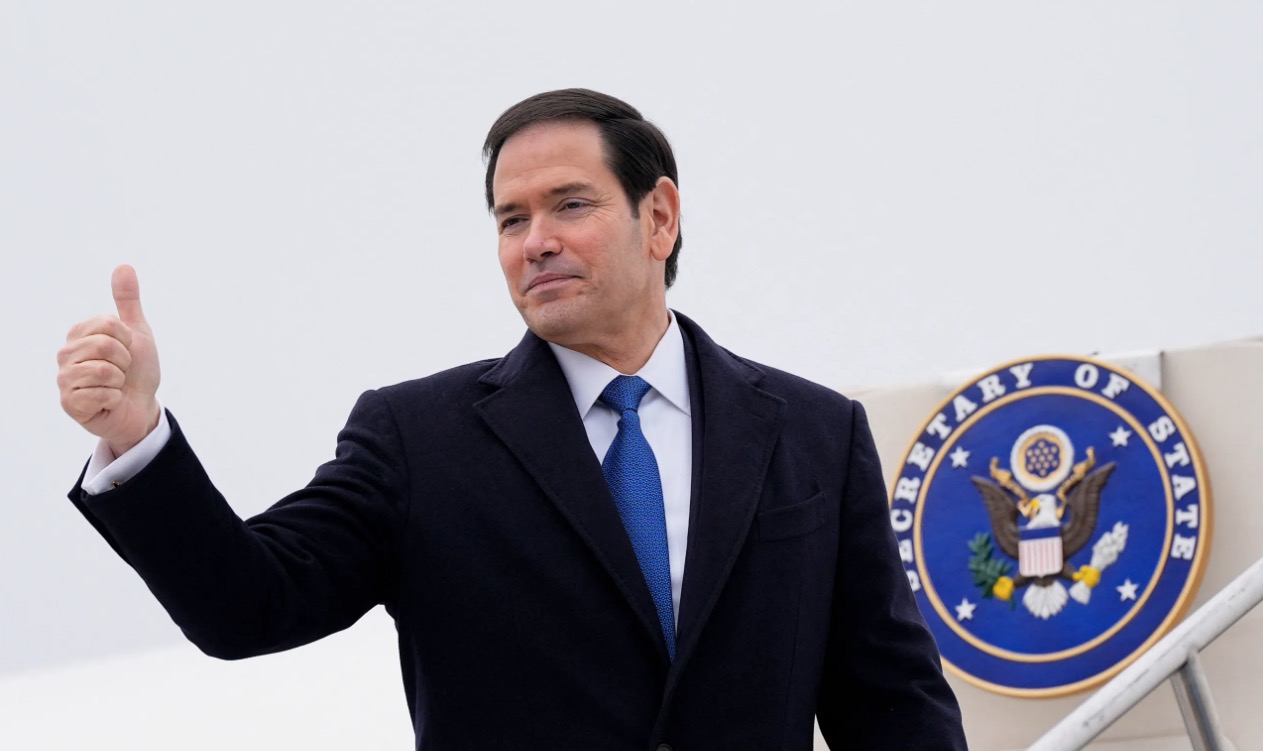
As reported by Canal B, the administration of Donald Trump and Secretary of State Marco Rubio plan to check applicants’ activity on social media. For Venezuelans, this is especially sensitive: today, almost everyone has a digital footprint, and posts, comments, likes, and even political statements can become grounds for refusal. In the local context, this fuels concern that under increased scrutiny will be not only those who genuinely try to bypass the rules, but also ordinary citizens—people who already face limited access to consular procedures and high uncertainty.
As the article notes, Rubio emphasizes that a visa is not a right, but a privilege—and that U.S. authorities will check for any signs of support for organizations that Washington considers terrorist. For Venezuela, these statements carry not only legal meaning, but political meaning as well. Many here view U.S. migration policy as part of a broader conflict between Caracas and Washington, in which rules for Venezuelans can change depending on the political situation.
The same logic is reflected in another publication available as a Facebook post by lawyer Jessica Dominges, where Trump’s measures are seen as an attempt to curb visa abuses connected to so-called “birth tourism.” At the same time, a key legal point is highlighted: an executive order cannot overturn the 14th Amendment to the U.S. Constitution. For Venezuelan families, this is crucial, because many see the United States not only as a place to work and find security, but also as a country where a child’s status can determine the future of the entire family.
That is why in Venezuela, news like this triggers concern not only among those planning a trip, but also among migrants already living in the United States. Increased scrutiny of visas and social-media activity is perceived here as an intensification of pressure on families, a rise in fear of denial, and another narrowing of opportunities for lawful departure. This is felt especially sharply in a country where remittances from the U.S., stable work abroad, and legal certainty for children have long ceased to be an abstract topic and have instead become a matter of everyday survival.
In the end, news about visa restrictions in the Venezuelan reading goes far beyond U.S. domestic policy. It becomes a story about how decisions in Washington affect the lives of millions of people in a country where migration, family separation, and legal uncertainty have long been part of everyday life.