Donald Trump’s hard-line trade and foreign policy are increasing tensions on both sides of the Atlantic. Washington’s threats and sharp rhetoric are pushing Mexico to seek closer ties with China, while U.S. intervention—or perceived support for one side—is intensifying disputes over the Falkland (Malvinas) Islands and Ceuta, provoking irritation in Argentina, the United Kingdom, and Spain. As a result, U.S. pressure is increasingly influencing the region’s diplomatic and economic decisions. This material is based on reports by EFE (Venezuela) and La Nación (Venezuela).
Argentina Strengthens Ties with the U.S. Amid Milei’s Policies
Argentina is simultaneously at the center of two important developments: expanding beef exports to the U.S. market and maintaining President Javier Milei’s tough economic policies. These developments directly affect Argentina’s economy and, in the broader regional context, highlight differences among Latin American countries in the extent of their integration into global trade.
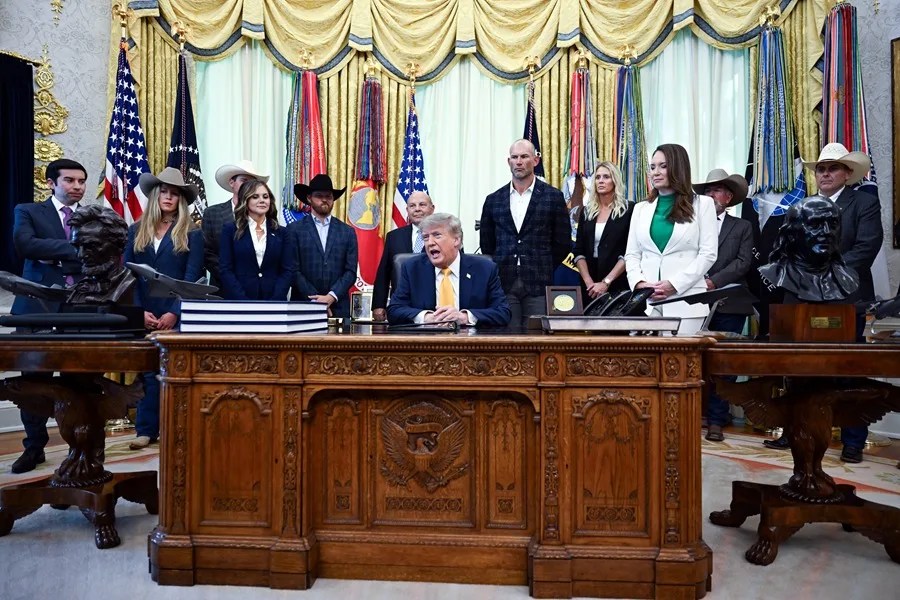
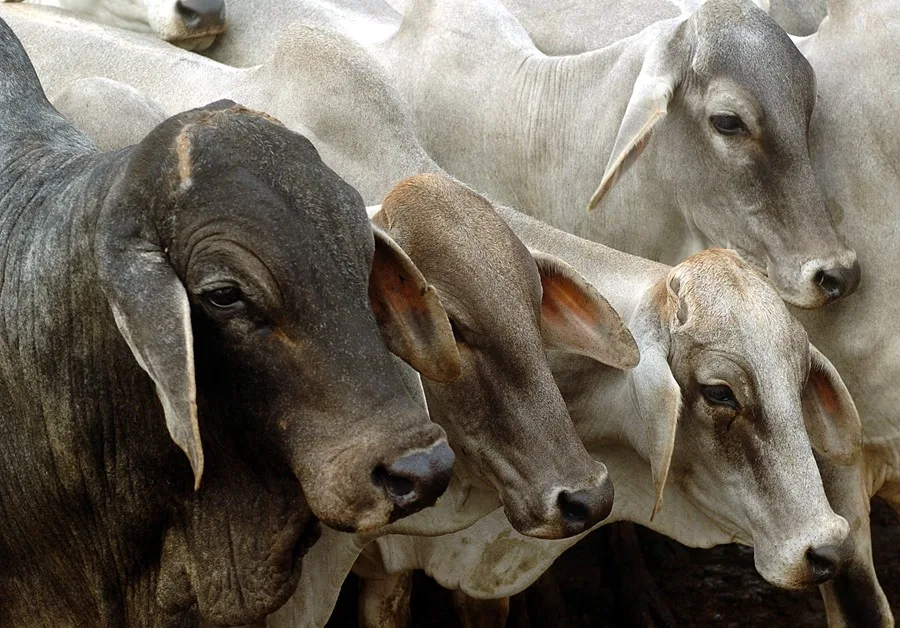
U.S. President Donald Trump announced that Argentina and Brazil would supply an additional 300,000 tons of imported beef to the U.S. market duty-free. According to EFE, the shipments will be permitted during a temporary period from September 1 to November 30.
According to Trump, the imported meat is to be blended with American beef in hamburger production. The White House expects the measure to reduce the cost of ground beef by approximately 25%. The decision came in response to rising prices and difficulties obtaining live cattle from Mexico: the U.S. border was partially closed to Mexican cattle because of the risk of screwworm infestation.
At the same time, Trump is seeking to ease the dissatisfaction of American ranchers, who fear competition from cheaper imports. He signed an order expanding ranchers’ opportunities to process meat. Thus, U.S. policy combines temporary preferential access for foreign beef with support for the domestic livestock sector.
For Argentina, this creates an opportunity to strengthen its position in one of the world’s largest food markets. Brazil is receiving similar access, while many other countries in the region remain limited by economic, sanitary, or political factors. Venezuela, in particular, cannot take advantage of export opportunities in the U.S. market to a comparable extent because of sanctions, weak production capacity, and a prolonged domestic crisis.
The story of U.S. meat imports also shows how quickly sanitary threats can alter trade routes. Restrictions on Mexican cattle created additional demand for supplies from Argentina and Brazil, meaning that veterinary controls and livestock safety are becoming no less important than tariffs and political agreements.
Meanwhile, on Argentina’s domestic political scene, Milei confirmed that he does not intend to soften his economic policies ahead of the 2027 elections. Speaking at a financial conference in Iguazu, he said: “I am not going to change either fiscal or monetary policy.” La Nación reported this.
The president expressed confidence that Argentines would support the continuation of his policies. “I doubt Argentines are so stupid as to return to the past,” Milei said, referring to previous economic models. He maintains that economic indicators, wages, and employment are improving, but believes this should not become a reason to relax fiscal discipline or monetary policy.
Milei’s statements demonstrate that his administration links its political prospects not to short-term social concessions, but to the continuation of fiscal and monetary austerity. Against the backdrop of new export opportunities for Argentine beef, this approach takes on additional significance: access to foreign markets could become one of the factors supporting the agricultural sector and the inflow of foreign-currency earnings.
The regional contrast is especially clear in the case of Venezuela. While Argentina and Brazil are acting as suppliers needed by the U.S. market to contain domestic prices, Venezuela remains on the periphery of these trade flows. Its dependence on oil revenues and imports, weakened agricultural sector, sanctions, and prolonged decline in purchasing power limit its ability to diversify its economy.
Ultimately, the U.S. temporary duty-free meat quota is not only an element of American anti-inflation policy, but also an illustration of the changing distribution of economic opportunities in Latin America. Argentina has a chance to expand its export presence, while Milei gains an additional argument in favor of a course based on strict macroeconomic policies and greater integration into international markets.