
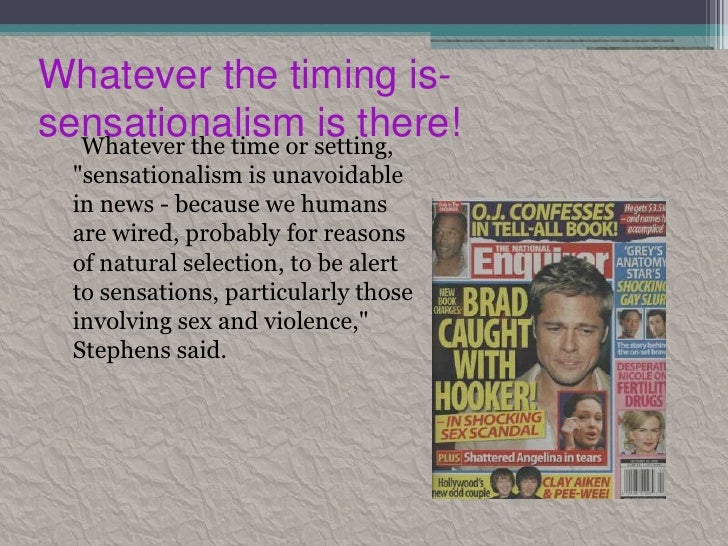
In the context of a catastrophe, journalism faces a paradox: society demands immediate answers, but fact-checking—the only way to separate information from rumors—becomes especially vulnerable. As Kovach and Rosenstiel note, the key is not speed or sensationalism, but discipline in verification. Kapuściński adds that a real report requires meeting the “other,” not describing things from the outside, and warns against cynicism. Sontag, in turn, reminds us that the endless repetition of images of suffering can dull perception and turn pain into a commodity. Therefore, the ethical question for a reporter is not only “Is it true?” but also “Why am I showing it?”
The author contrasts this approach with the activities of “influencers” and the spread of fake news on social media. Examples are given: a supposed surveillance device hidden in humanitarian aid from Panama, rumors of children being kidnapped after an earthquake, and a false report about the one-sided capture of the Maiquetía airport by the U.S. Southern Command. In this environment, ethics of fact are replaced by disinformation and sensationalism, undermining trust in information.
Reconstruction, the article emphasizes, does not require a list of prohibitions, but building trust and credibility. A journalist should not place urgency above thoroughness, or political benefit above accuracy and respect for people. Given Venezuela’s shattered infrastructure, censorship, migration, and distrust of institutions, it is especially important to verify information through multiple sources, correct mistakes publicly, and not turn tragedy into a spectacle. After an earthquake that claimed more than 3,800 lives and left 16,000 people injured, competent information management becomes part of the rescue infrastructure: it can calm panic, coordinate assistance, or, conversely, worsen chaos with rumors.
Full version: Contar el desastre: la ética de la reconstrucción (I)