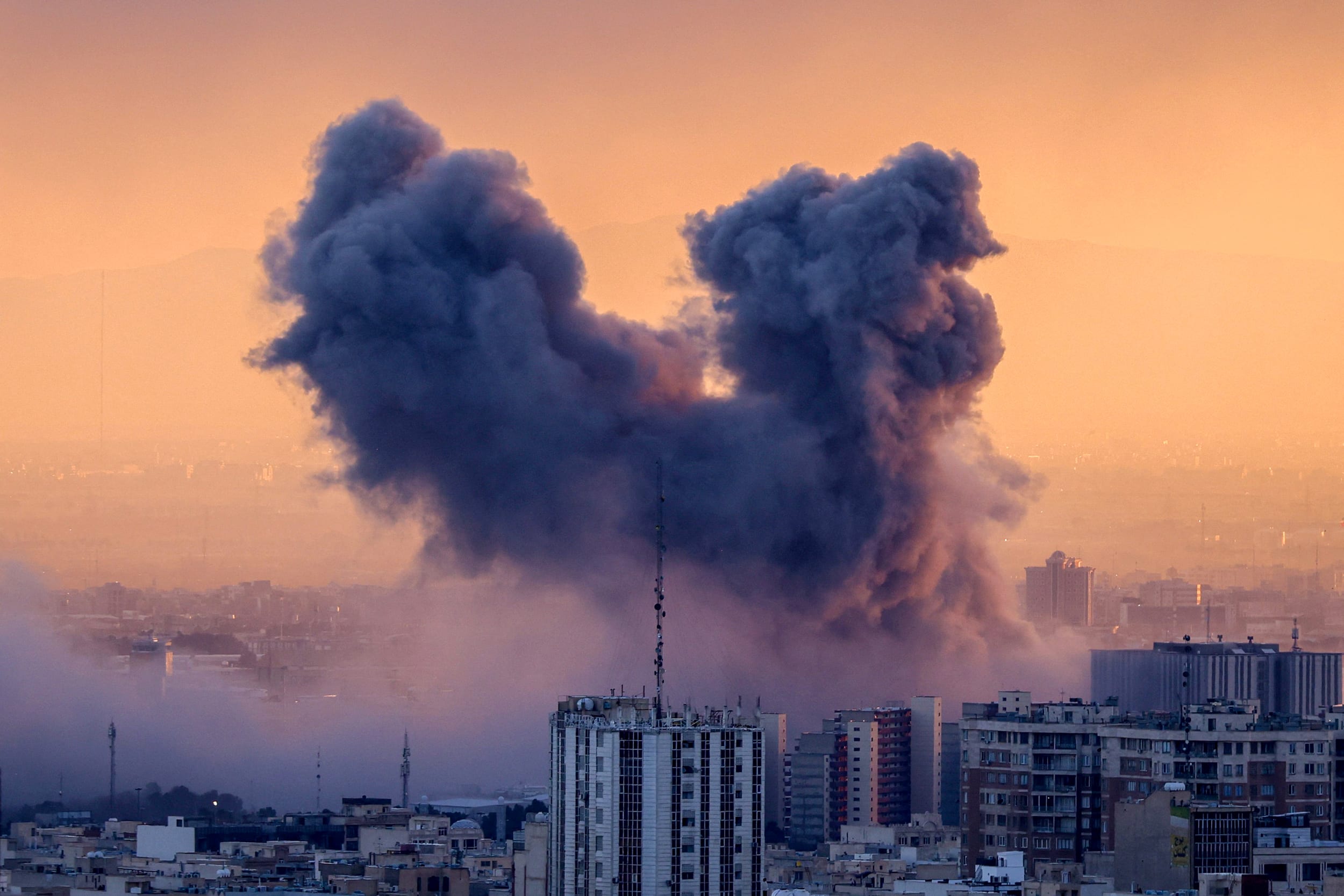
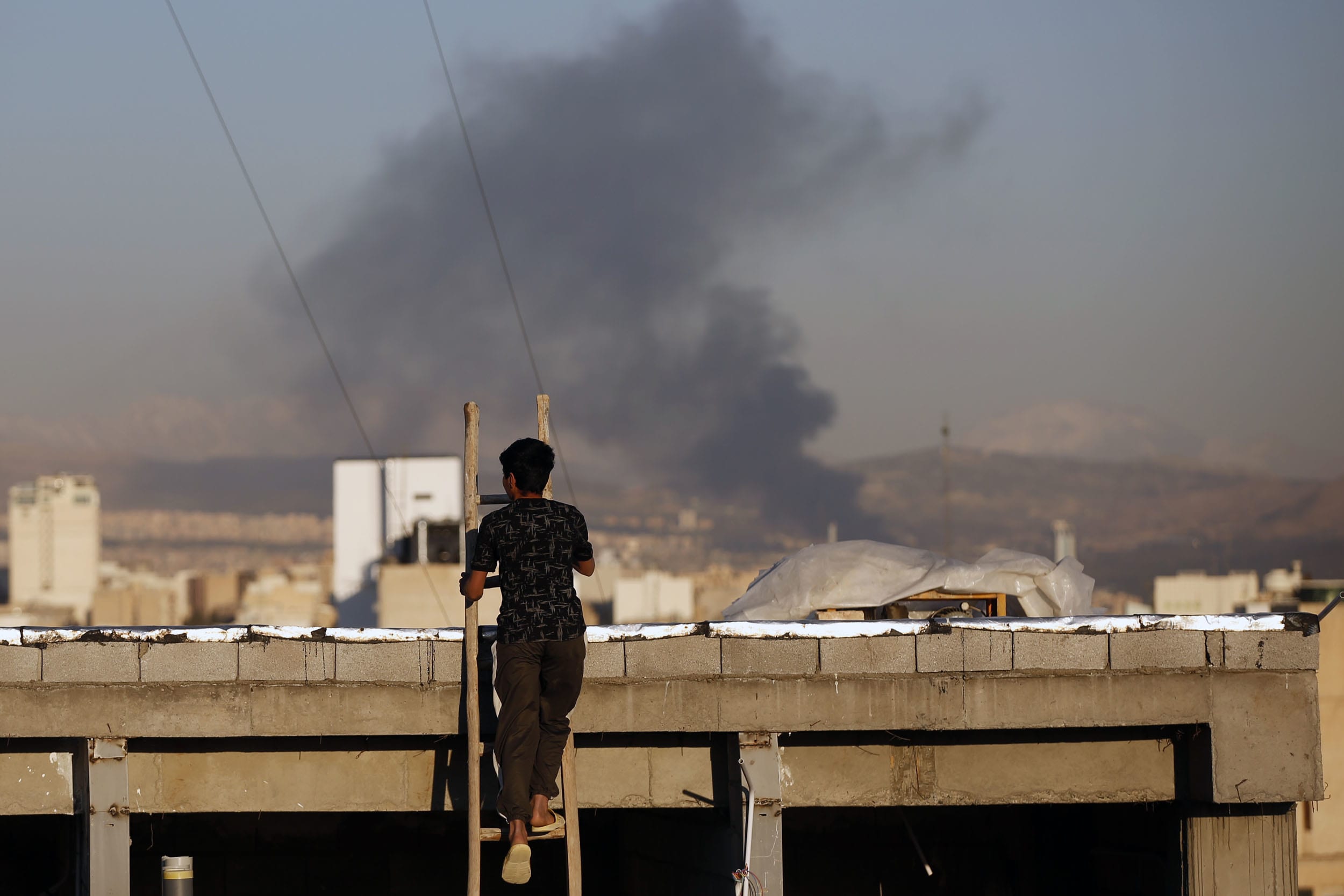
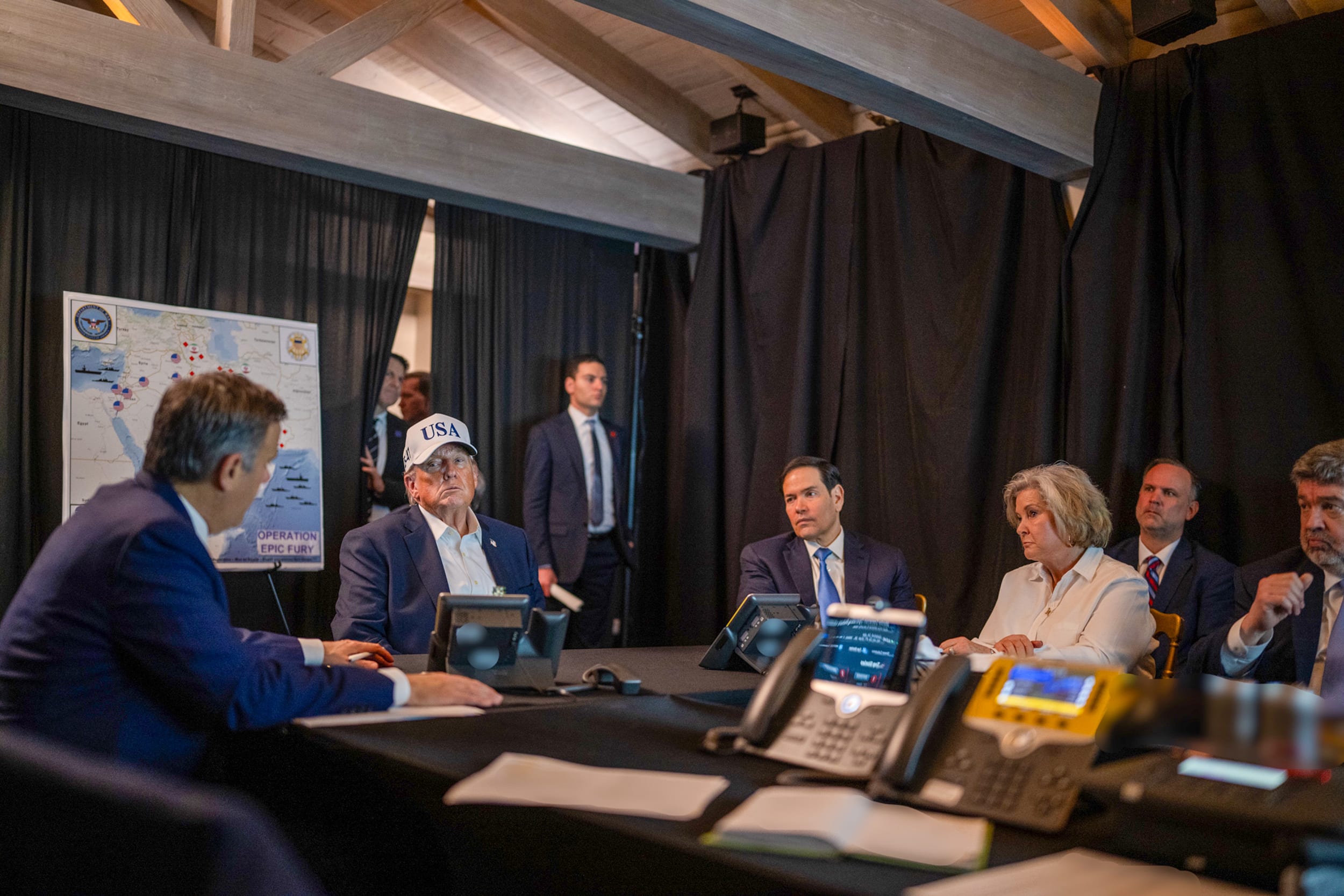
The escalation between the United States (and its allies) and Iran — strike drones, attacks on embassies, retaliatory strikes and the deaths of American soldiers — has provoked a wave of international criticism and concern that reflects not only the facts of the fighting but also political and cultural assessments of the Trump administration’s policy. Spanish-speaking and Venezuelan outlets discuss claims about the honesty and competence of U.S. leadership, debates over the need to inform Congress, fears that unilateral moves only inflame conflict in the Middle East, and atypical cultural responses — from criticism of the use of Kesha’s music to accusations of a drive for unlimited power. These narratives shape an image of American policy as aggressive and destabilizing, prompting foreign observers to question the future consequences for regional security and diplomacy. This piece is based on publications from Telemundo, Radio UChile and YouTube video material (Venezuela).
Venezuela between Trump and Tehran: war, oil, propaganda and lessons for the region
For the Venezuelan reader, the current escalation around Iran and Donald Trump’s rhetoric is not a distant Middle Eastern story but a mirror of their own vulnerability. A country living under sanctions, locked in a protracted confrontation with Washington and with an elite that sees in every new U.S.–Iran crisis a rehearsal for a possible scenario for Caracas, perceives news of a “war with Iran” primarily as a warning to itself.
In the Telemundo / NBC feed (https://www.telemundo.com/noticias/noticias-telemundo/internacional/live-blog/eeuu-pide-a-sus-ciudadanos-abandonar-14-paises-de-medio-oriente-mientr-rcna261490), which describes the scale of the planned U.S. operation, “Furia Épica,” the words of Republican Senator Lindsey Graham are heard: “This regime is in agony. The firepower we will deploy in the coming days will be crushing… The liberation of Iran is within arm’s reach. The door to peace will open any moment now.” For a reader in the U.S. this is part of familiar hawkish rhetoric. For a reader in Caracas it reverberates directly with how people spoke for years about the “Maduro regime.”
Terms like “regime,” “liberation,” and “door to peace” have long been equated in the Venezuelan imagination with forcible regime change from outside. It is the same language used in reference to Iraq, Libya, Syria, and later — in a milder, sanction-based form — to Venezuela itself. When another senator, Josh Hawley, warns that the operation will be “very broad,” is “developing quickly” and “changing every hour,” in Caracas they hear not only a military description but a hint: the policy of force can be extended to “secondary theaters of operation” — including Latin America.
Particularly telling is the statement by Democratic Congressman Andy Kim: “This is only the beginning of what, according to several of them, will be a very long operation. This is war. This is a war with Iran.” The phrase “long operation” in Venezuelan perception sounds like a description of a strategy of attrition: sanctions, targeted strikes, diplomatic pressure and an information campaign combined to topple an undesirable government. Many in Caracas see their own experience — years of economic sanctions, attempts at diplomatic isolation, recognition of parallel authorities — as a non-military version of such a “long war.”
Another layer is oil. Any full-scale confrontation between the U.S. and Iran automatically hits the global commodity market. For sanction-hit but oil-dependent Venezuela this is an ambivalent signal: on the one hand, a possible rise in oil prices could be an opportunity if restrictions ease; on the other, it could strengthen Washington’s drive to cut off all “hostile” energy sources (Iran, Russia, Venezuela), threatening further tightening of control over Venezuelan exports and financial flows.
The situation is complicated by the fact that Iran is not only a partner of Caracas in anti-hegemonic rhetoric but also a practical ally supporting projects in petrochemicals, fuel provision and the defense sector. The more total the “war with Iran” becomes, the more toxic any Venezuela–Iran interaction becomes for the U.S. For strategists in Washington Caracas becomes a logical “node” in the same network that can be squeezed through sanctions, criminal prosecutions and threats of secondary restrictions.
Against this backdrop it is especially noteworthy how political and intellectual fault lines around Trump, Iran and the right to intervene are forming in the region. A column by former Chilean foreign minister Ignacio Walker, published in Chilean media and devoted to whether the new right-wing cabinet is ready for the U.S.–Israel–Iran crisis, is read in Venezuela not only as an intra-Chilean polemic but as a symptom of a broad Latin American dilemma. In his article, available at “'Falta experiencia diplomática': excanciller Walker cuestiona capacidad del gobierno entrante para enfrentar la crisis internacional” (https://radio.uchile.cl/2026/03/03/falta-experiencia-diplomatica-excanciller-walker-cuestiona-capacidad-del-gobierno-entrante-para-enfrentar-la-crisis-internacional/), Walker criticizes the president-elect José Antonio Kast for having effectively joined “the political, conservative, ultra-right club, led by Trump” and for taking a position on Iran “without any nuances,” applauding Trump’s decision.
For Caracas this is an important signal: the region is not only divided between left and right but also between pro-Trump “rightists,” ready to unconditionally support U.S. forceful actions and sanctions, and more traditional conservatives who still appeal to rule-of-law and multilateralism. Walker writes explicitly that international law “does not exist to install or remove regimes,” and warns of “the end of the liberal international order of the past 70 years” and a move toward “a ruleless society,” where Trump despises both international law and his own constitutional law.
This language sounds familiar in Venezuela: Caracas’s official discourse has for years asserted that unilateral sanctions, asset freezes and recognition of a parallel “president” are manifestations of precisely such a “ruleless era.” The difference lies only in who says it. When a former foreign minister from a country with traditionally cautious diplomacy like Chile says it, it is perceived as confirmation that the crisis of legal order is not an invention of Venezuelan propaganda but a deeper structural shift.
Walker criticizes the composition of the Chilean foreign policy team, where key posts go to figures from big business, such as Luxsic group representative Francisco Pérez Mackenna, and stresses the “lack of diplomatic experience and knowledge of international politics.” This note resonates painfully for Venezuelan audiences: when foreign policy is replaced by the logic of the market and corporate interests, it tends to more readily adopt sanction regimes, financial blockades and trade deals favorable to Washington, even when these harm pariah countries like Venezuela.
Another parallel storyline is the choice between the U.S. and China. Walker warns that “Chile cannot choose between the U.S. and China, and that is the art of politics.” Venezuela has already been pushed into a position where the choice was effectively made by Washington: sanctions drove Caracas into the arms of Beijing, Moscow and Tehran. Thus Chile’s debate about whether to maintain a balance or become an appendage of American strategy is read in Caracas as a debate about whether South American governments will become voluntary agents of pressure on Venezuela, Iran and Cuba or attempt to maneuver relying on multilateralism.
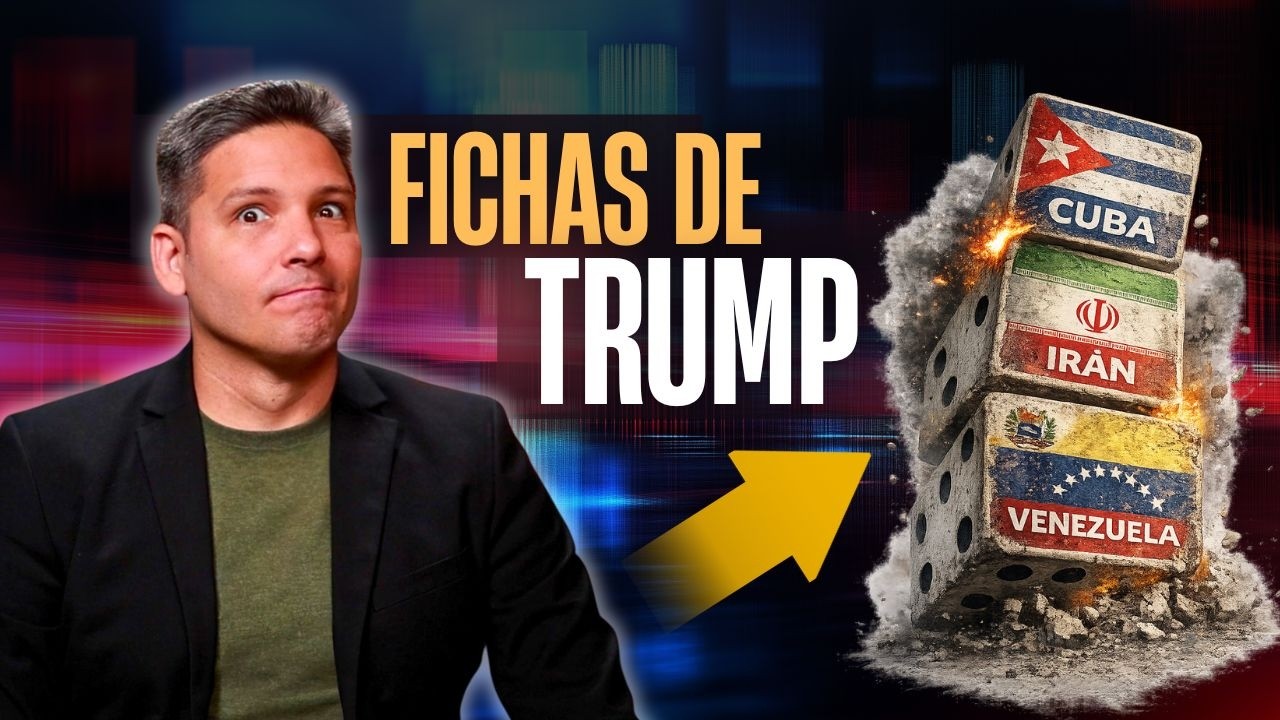
But geopolitics is only one side. The other is the information war. An analytical video by journalist Wilfredo Cancio, “¿Trump nos dice toda la verdad sobre Cuba, Irán y Venezuela?” (https://www.youtube.com/watch?v=267F40FT-og), made for a Latin American audience in the U.S., focuses less on rockets and aircraft carriers than on how Trump constructs a narrative about “enemies” — Havana, Tehran and Caracas — and how propaganda and disinformation affect Latino communities.
This turn to a “war of narratives” is especially close to the Venezuelan experience. In a country where authorities for decades have talked about a “media war” and “psychological siege,” and opponents about a “huge propagandistic machine of the regime,” the thesis that the task of propaganda is “to seize not only territories but minds and hearts” sounds like a statement of an already lived reality. Cancio and his interlocutor emphasize that narratives about Iran, Cuba and Venezuela are not neutral information: they form the justification for sanctions, military pressure, migration restrictions and even electoral mobilization within the U.S.
For millions of Venezuelans living in the U.S. and other countries this has a material dimension. How media and politicians in Washington describe the “Maduro regime” and the “threat emanating from Caracas” affects migration decisions, the climate of xenophobia or solidarity, and access to work. For those who remain in Venezuela it is reflected in sanctions, restricted access to financial markets, fuel shortages and rising import prices.
Cancio’s analysis brings to the fore another shared problem for the U.S. and Venezuela — polarization of the information space. In the U.S. the media environment is split between outlets that justify any adventure under the banner of fighting “terror” and “dictatorships,” and media more skeptical of official rhetoric. In Venezuela the media landscape is divided into state and quasi-state outlets broadcasting the government line, a few remaining private platforms, and uncontrolled flows in messaging apps. In both cases the information environment is less and less helpful in discerning reality and more and more an instrument in political struggle.
That is why the video places special emphasis on the role of independent journalism and fact-checking as “tools to defend equality, social justice and democratic values.” To Venezuelan ears, tired of manipulation and half-truths, this call sounds almost like a manifesto of a lost profession: it is precisely the absence of stable, independent media platforms that has allowed both internal and external actors to so easily redefine the meaning of “democracy,” “human rights” and “sovereignty” with respect to Venezuela.
This multiplicity of readings — military, oil-related, diplomatic and media-critical — distinguishes the Venezuelan reaction to news of a “war with Iran” from dry news reporting. While the original Telemundo/NBC note (https://www.telemundo.com/noticias/noticias-telemundo/internacional/live-blog/eeuu-pide-a-sus-ciudadanos-abandonar-14-paises-de-medio-oriente-mientr-rcna261490) focuses on the words of Senators Graham, Hawley and Congressman Kim, the logistics of the “Furia Épica” operation and the evacuation of U.S. citizens from 14 countries in the region, and Ignacio Walker’s article on Radio Universidad de Chile (https://radio.uchile.cl/2026/03/03/falta-experiencia-diplomatica-excanciller-walker-cuestiona-capacidad-del-gobierno-entrante-para-enfrentar-la-crisis-internacional/) focuses on the quality of Chilean diplomacy, the Venezuelan reading inevitably:
- shifts the emphasis: from “safety of Americans” and “prestige of allied ties” to what this means for the sanctions regime, for oil prices, and for the possibility of military or hybrid escalation against Caracas;
- decodes the language: words like “regime,” “liberation,” “door to peace,” and “long operation” are read not as neutral descriptions but as code for regime change and protracted campaigns of pressure;
- embeds historical parallels: Iraq, Libya, Syria and Venezuela itself surface as examples of what begins with rhetoric and sanctions and ends with state destruction and prolonged instability;
- raises the question not only of rockets and sanctions but of control over the narrative — who and how explains to the world what “democracy in Iran” or “dictatorship in Venezuela” means, and whose interests are behind those explanations.
As a result, for Caracas the “war with Iran” is not just a story about the Middle East but another fragment of the broader U.S. model of relations with “disobedient” governments. In this model Venezuela is both an object of pressure and a warning: the next “long operation” could unfold not only in the Persian Gulf but closer to the Caribbean — whether in the form of new sanctions, diplomatic blockade or an escalation of the information war.