
On Saturday, August 1, the government and the opposition of Venezuela will officially return to the negotiating table. From the incumbent authorities, the chief negotiator will be Jorge Rodríguez, the chair of the National Assembly, while the opposition will be represented by Dinorah Figuera, who led the 2015 parliament. She returned to the country on June 18 after eight years in exile, at the invitation of the U.S. State Department. At that time, the sides also agreed to create a “political parity table” to strengthen democracy, consolidate peace, and find a common future. The initiative emerged three weeks after the opposition coalition PUD proposed talks involving the United States to “restore democracy.”
The composition of the delegations has not yet been disclosed, but according to the movement Unión y Cambio, along with Figuera, the negotiations will also include former 2015 parliament members—Jorge Millán, Marco Aurelio Quiñones, and Juan Miguel Mateus. On the agenda being discussed with U.S. mediation are the restoration of democratic institutions, strengthening of the National Electoral Council, guarantees for participation in political life, and protection of civil liberties for open political debate. The opposition is calling for specific, verifiable outcomes: the release of all political prisoners, real guarantees for all participants, and respect for popular sovereignty. For its part, the government, according to Diosdado Cabello, general secretary of the United Socialist Party of Venezuela, intends to raise the issue of lifting international sanctions.
Some opposition forces—Justicia Primero, Popular Will, and New Time—have already expressed support for dialogue. The PUD’s coordination group has not yet published an official position, and Democratic Action has criticized the appointment of Figuera as chief negotiator. Washington calls the dialogue a key step toward “political reconciliation” and the country’s recovery after the recent earthquakes. During Nicolás Maduro’s time in office, Venezuela has seen about eight rounds of negotiations mediated by Norway, CELAC, the Catholic Church, Spain, Mexico, and other countries. The most recent round took place in October 2023 in Barbados and laid the groundwork for the 2024 presidential election, including a procedure for removing political disqualifications.
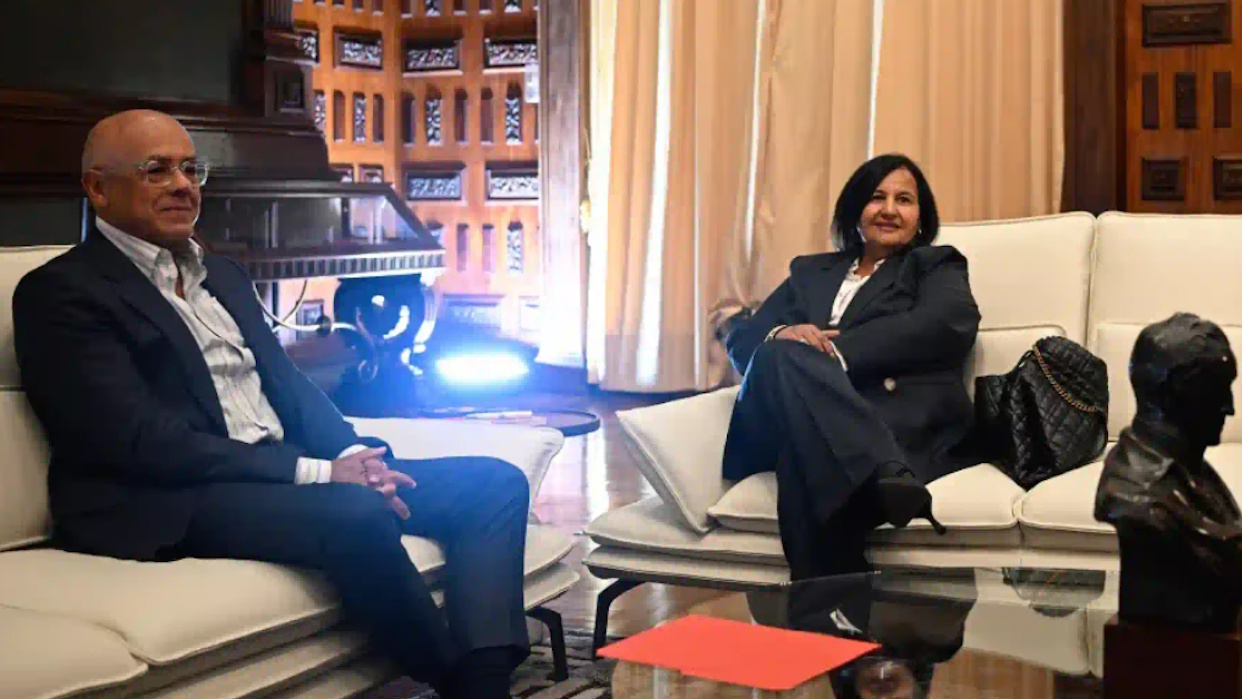
Full version: Gobierno y oposición reactivan formalmente las conversaciones este sábado