
According to data from the Hinterlaces sociological service, economic issues have become the main unifying factor for Venezuelans, pushing ideological disagreements into the background. Citizens increasingly associate the concepts of peace and unity with economic stability and the ability to work and solve problems together. The political polarization of the past two decades is weakening, giving way to a broad pragmatic center that makes up more than 60% of the population. This center judges leaders by concrete results, which explains the high approval rating (over 70%) for Acting President Delcy Rodríguez, whom many perceive more as a competent manager than as a traditional politician.
At the same time, the most visible opposition figures face extremely high levels of rejection — from 80% to 90% of the population. Analysts note that the opposition has failed to offer a convincing vision for the country's future that would meet the majority's demands for peace and prosperity, and remains socially disconnected. International sanctions remain an important unifying yet painful factor, rejected by nine out of ten Venezuelans. Sanctions hit women particularly hard, as their traditional role in managing the household and providing for the family makes them more acutely feel the economic difficulties.
Experts emphasize that the ruling movement has a historic opportunity to strengthen its legitimacy through effective economic management and a technocratic approach. However, the main rival and challenge for the authorities remains the economy itself. If sufficient and decisive responses to the population's pressing problems are not found, growing frustration could in the future generate demands for radical change. Thus, the future of political stability in Venezuela directly depends on the authorities' ability to deliver tangible economic improvements.
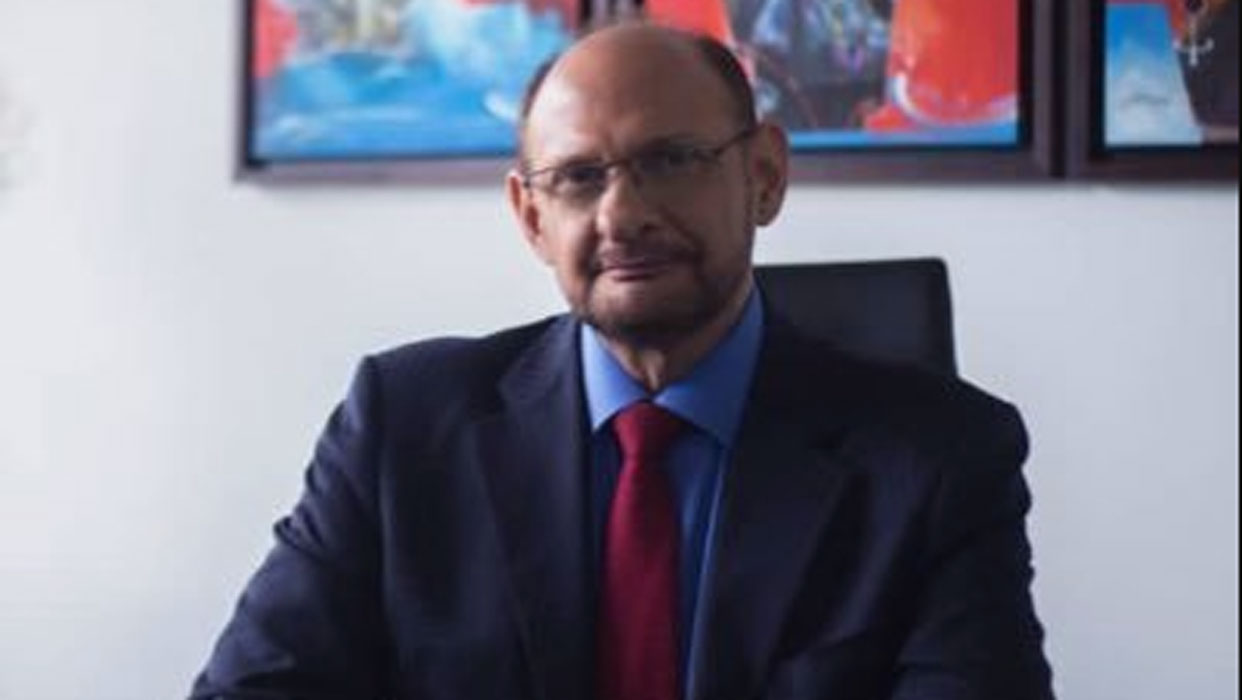
Full version: Schémel: La economía se ha convertido en el factor identitario que ha unido a los venezolanos como nunca antes