
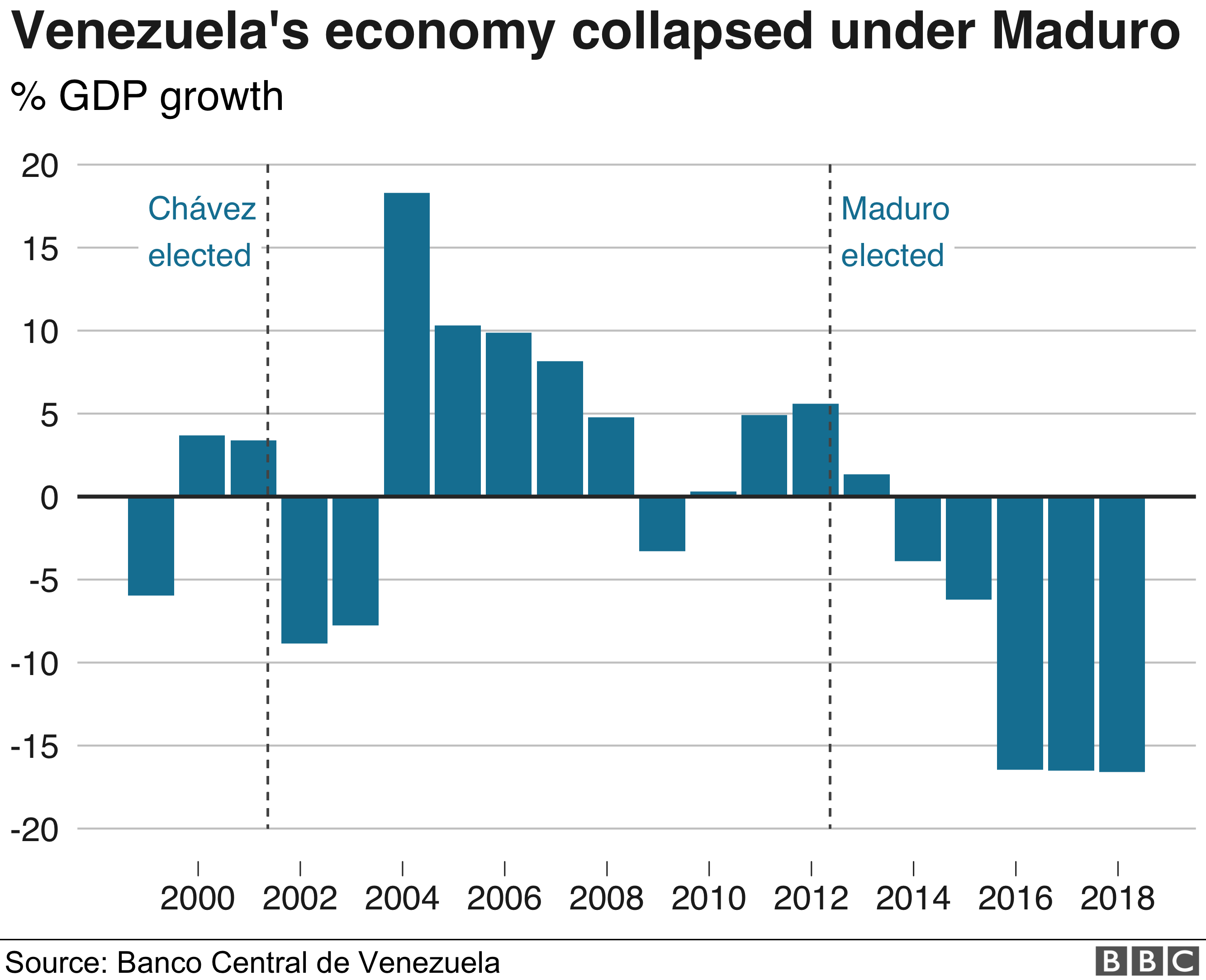
An examination of Venezuela’s economic period from 2019 to 2025 shows that de facto dollarization emerged not as the result of an official stabilization program or institutional reform, but as a spontaneous response by the population and private sector to the loss of confidence in the Central Bank and the national currency. After the collapse of oil revenues in 2014, the state’s interventionist model led to a sweeping institutional and monetary crisis, and citizens began using foreign currency as a store of value and for everyday transactions.
At the same time, trade visibly revived in the cities: premium stores, car dealerships, and imported goods appeared. However, this consumer upswing was not accompanied by capital accumulation, a recovery in production, or increased investment. The easing of trade rules and the authorities’ tolerant attitude toward the dollar created space for private importers, but did not represent a full transition to a free market: access to economic activity remained dependent on political restrictions, while the rule of law, judicial independence, and property guarantees were not restored.
The authors therefore regard the revival of trade as merely a temporary and vulnerable form of adaptation, rather than a structural economic recovery. It provided short-term relief for some consumers but did not eliminate the destruction of the productive base or dependence on external shocks. A sustainable exit from the crisis will require deep institutional reforms, protection of property rights, restoration of monetary stability, and a return to predictable rules—informal survival mechanisms cannot replace the institutions needed for long-term growth and broad-based prosperity.


Full version: On Venezuela’s Economic and Commercial Recovery