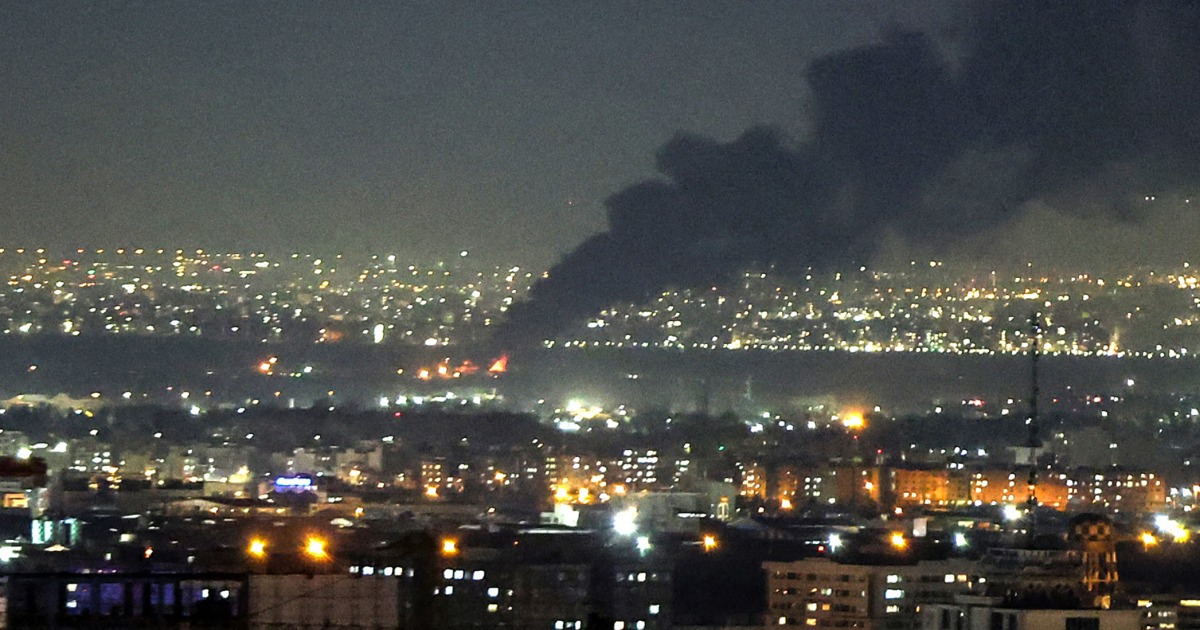
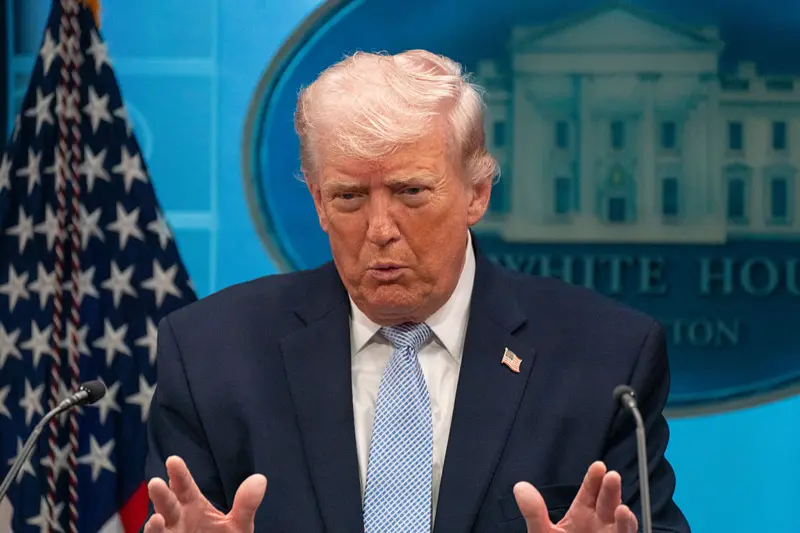
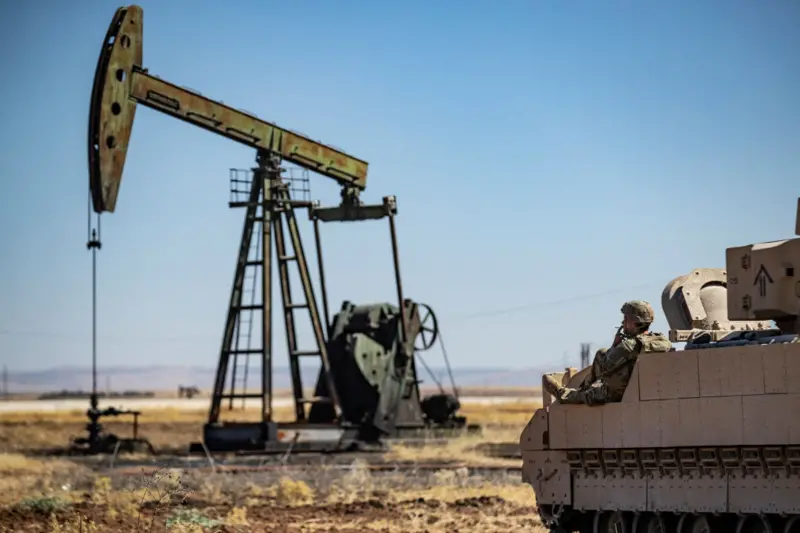
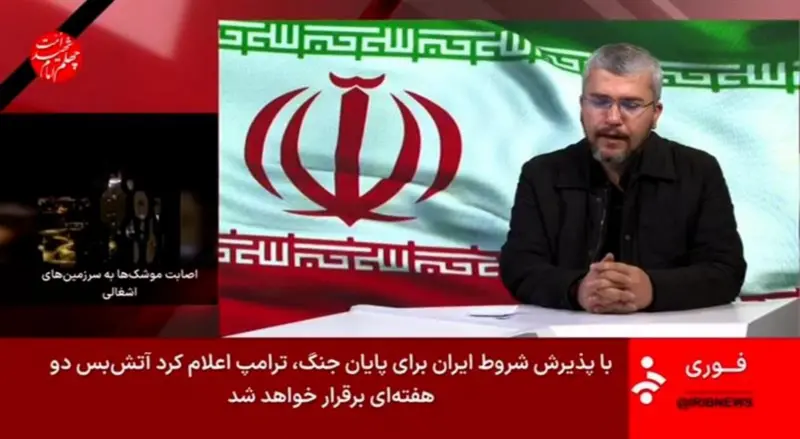
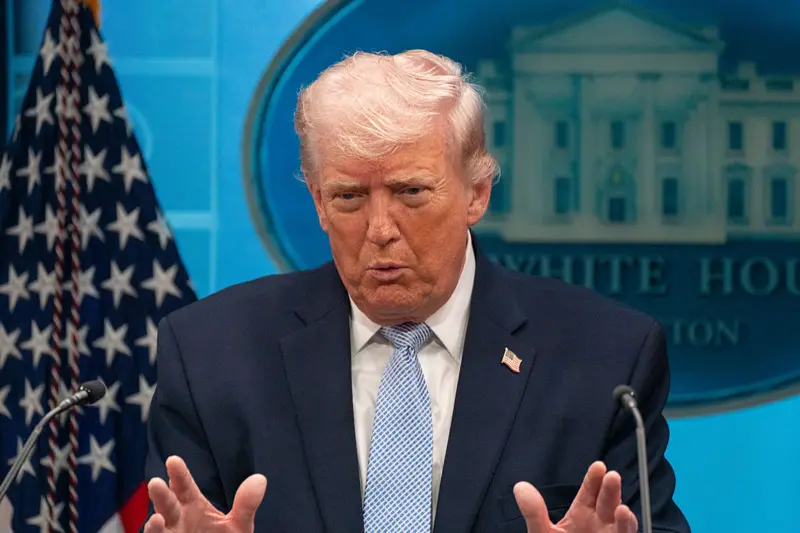
In the latest wave of materials circulating in Venezuelan media and social networks, Donald Trump's statements about a possible devastating response and even the death of a "whole civilization" are presented as a signal of an approaching global conflict. Reports and commentary use dramatic rhetoric — from fears of NATO's collapse to talk of a "quiet" global war — and focus on accusations of Washington's aggressive policy: mass base closures, threats of invasions, and destabilization of regional security. Overall the tone of the materials is critical and often openly anti-European and anti-American, reflecting not so much neutral coverage as a politically colored interpretation of the possible consequences of American foreign policy. The materials are based on publications from YouTube, Telemundo, and BBC (Venezuela).
Venezuela on "alerta máxima": how the US–Iran conflict is read through the prism of sanctions and oil
The Venezuelan media and political environment perceives another escalation between the US and Iran not as a distant Middle Eastern crisis but as part of its own everyday reality. Analysis by Mexican journalist Carmen Aristegui, including her video "Irán responde a Estados Unidos y amenaza con atacar su infraestructura" (link), where the phrasing that "the world has entered a estado de alerta máxima" is used, overlays in Caracas with fresh pieces about Donald Trump's ultimatums to Tehran, threats to strike Iranian infrastructure, and bargaining over the Strait of Hormuz, as recounted by Telemundo/NBC and BBC Mundo.
In this aggregate of texts, the Venezuelan audience sees not a set of isolated facts but a coherent picture: the logic of US coercion, sanctions warfare, and strikes on energy infrastructure that for many years has determined Venezuela's own fate.
When Aristegui speaks of the risk of a "colapso del suministro energético global," in Caracas this is instantly translated into very concrete categories. On the one hand, rising oil prices could become a respite for the weakened economy of an oil-exporting country. On the other — any escalation around Iran and Hormuz strengthens the positions of the "hawks" in Washington who oppose easing sanctions on Venezuelan oil. Venezuela, dependent on a limited number of buyers and under severe financial and oil embargoes, understands that a prolonged war of nerves between the US and Tehran could entrench its own isolation.
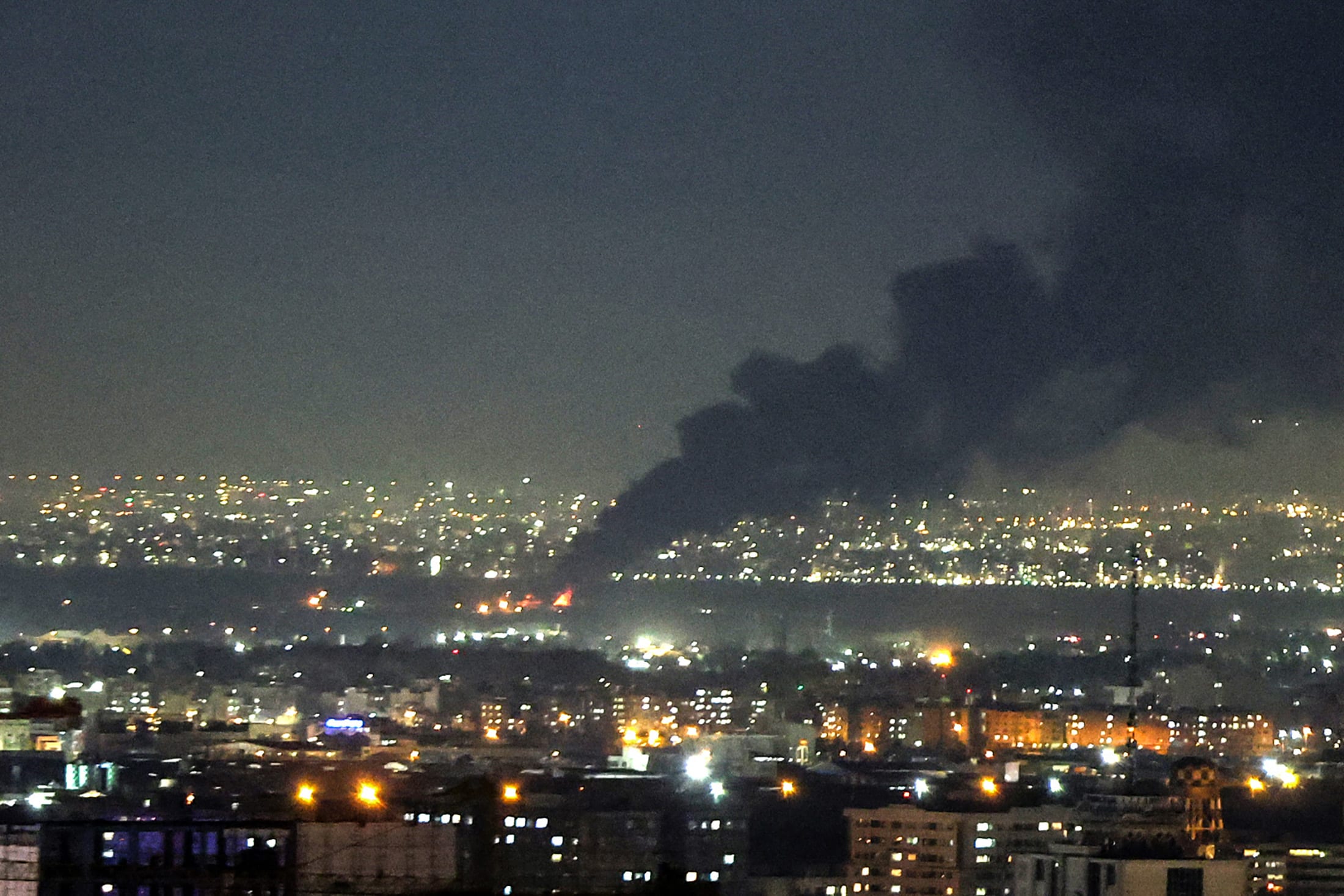
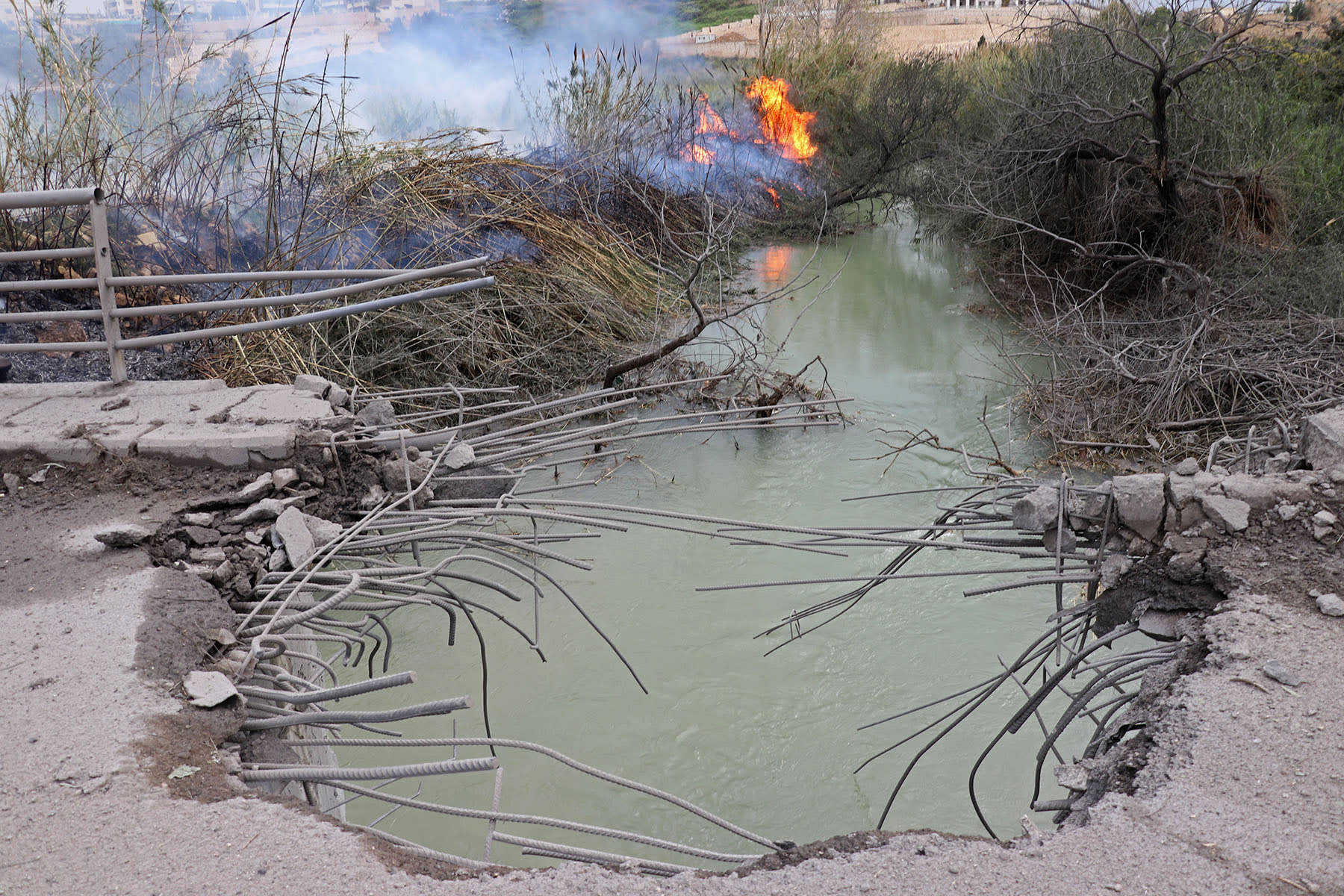
Particular attention in Caracas has been drawn to details about possible military targets discussed in Washington. The Telemundo/NBC piece emphasizes that the Pentagon proposed to Trump a list of "dual-use" targets — power plants, desalination facilities, bridges. Experts warn that strikes on such "critical infrastructure" could fall under the definition of war crimes. However, in this context Trump speaks of the Iranians' willingness to endure suffering for "libertad" and cites allegedly intercepted phrases: "Por favor, sigan lanzando bombas… Por favor, sigan bombardeando."
In Venezuela such statements are read through their own experience. The official camp sees here a continuation of a familiar logic: the US is ready to paralyze the energy sector and the civilian economy of an adversary state, and the suffering of the population is presented as a necessary price for regime change. The same arguments — "pressure for freedom and democracy" — have already been used to justify sanctions against Caracas. Dubious "voices of the people," supposedly calling to "keep bombing," are received by the Venezuelan public with great skepticism: amid its own information war, which has featured disputed interceptions, social media fakes, and politically motivated testimonies, such justifications for force look like part of a standard propaganda toolkit.
Critics of the government within Venezuela see another important catch in the material: if for Iran the discussion of strikes on the energy system triggers talk of war crimes, then regarding Venezuela the same mechanisms of pressure — financial blockade, sanctions against PDVSA, indirect undermining of the energy sector — are presented by the West as "legitimate tools" of foreign policy. The comparison to the war in Ukraine made by Telemundo/NBC only reinforces among the Caracas audience the sense of double standards: when Moscow strikes Ukrainian power plants it is called a "crimen de guerra," but when Washington contemplates strikes on Iranian ones, complex legal caveats about "dual-use targets" are voiced.
Aristegui's remarks about a possible "colapso del suministro energético global" and the threat of strikes on infrastructure in Iran painfully rhyme with the series of blackouts in 2019–2020 in Venezuela itself. At that time the Maduro government spoke of "sabotaje eléctrico" and even "electromagnetic attacks" against the Guri hydroelectric plant; a sense of energy vulnerability became entrenched in society for a long time. In this context any reports of theoretical bombings of Iranian power plants are perceived not as abstraction but as confirmation: the energy systems of "pariah states" have become legitimate targets in global conflicts, even if the blows are delivered not by missiles but by sanctions.
The way Trump in the cited piece explains the need to pressure Iran — through promises of "freedom," "internal revolution," and the willingness of the people to endure for a political goal — Venezuelan commentators almost automatically apply to their own reality. The formula "los iraníes estarían dispuestos a soportar eso con tal de obtener su libertad," presented in the article, sounds to the Venezuelan audience like a direct echo of discussions around sanctions against Caracas, when external actors argued that "Venezuelans will endure hardships to end the dictatorship." In a country where economic collapse, shortages, and hyperinflation have become part of everyday life, such a willingness of Washington to decide "what suffering is permissible" is felt extremely painfully.
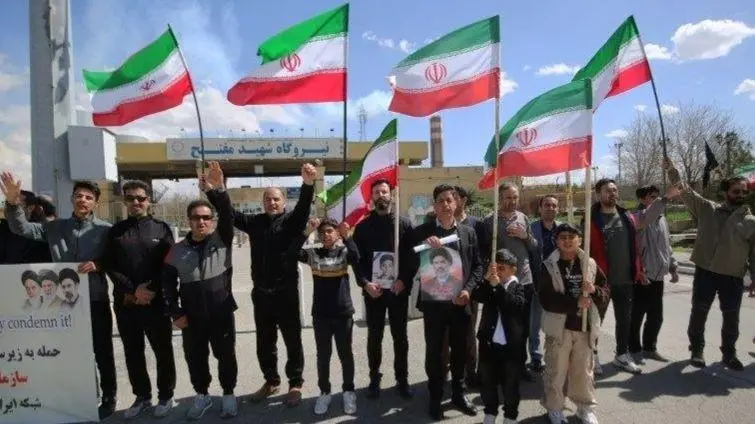
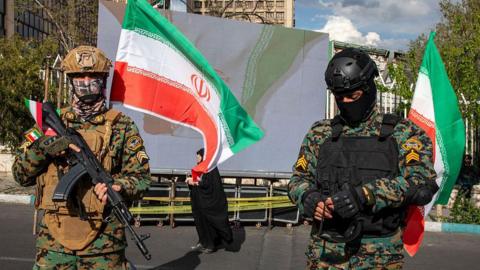
At the same time, the Venezuelan reaction to BBC Mundo pieces adds another level — symbolic-political. The report describes how "cadenas humanas" are organized around energy facilities in Iran — chains of people who become a human shield at power plants in the face of threats from the US. Donald Trump, in that vein, calls these actions "totally illegal," while Iranian officials present them as a patriotic defense against "US-Israeli aggression." Here the Venezuelan viewer sees a mirror of their own propaganda and mobilization practices.
The Iranian youth campaign "Cadena Humana de Jóvenes Iraníes por un Futuro Brillante," mentioned in the BBC Mundo report, with its millions of participants ready to "sacrificar sus vidas," visually and rhetorically resembles Venezuelan "marches in defense of the revolution," "patriotic caravans," "shifts to guard the power system," and the constant calls by authorities to "unión cívico-militar" around strategic infrastructure. The official discourse in Caracas readily draws parallels: the Iranian people surrounding power plants with a human chain represent an "anti-imperialist brotherhood" analogous to the Venezuelan "pueblo en armas."
Meanwhile, the opposition segment of society and independent analysts in Venezuela perceive these scenes differently. For them, the Iranian chains are first and foremost a large, staged campaign of state propaganda appealing to readiness for sacrifice and unconditional loyalty. They draw direct analogies to Venezuelan mass mobilization "cadriilas," where the image of citizens obliged to be a "shield of the revolution" is cultivated, and argue that this strengthens authoritarian practices under the guise of fighting "external aggression."
Trump's phrase that such chains are "totally illegal" is felt especially sharply. In a country where authorities themselves have repeatedly declared certain protests "illegal" — for example, when it involved blocking roads or attempts to approach military facilities — residents see a common pattern: the legal status of mass actions changes according to political expediency. In this sense the BBC Mundo report, which dispassionately records the positions of Washington and Tehran, is read in Venezuela as an illustration that the US, Iran, and Caracas equally use the language of legality and illegality of protest as instruments of political struggle.
A key line running through all these pieces is the theme of sovereignty and "camps." When the Telemundo/NBC material describes negotiations to reopen the Strait of Hormuz in exchange for a two-week truce, Venezuelan commentators see in this an example of how a vital artery of the world's oil is turned into a bargaining chip between Washington and Tehran. For Caracas, which possesses some of the largest oil reserves in the world but is effectively excluded from full participation in the global market due to sanctions, this is an example of how energy is used as a tool in geopolitical deals where the fate of supplier countries and their populations becomes derivative of superpowers' strategic calculations.
Venezuelan foreign policy has long been built around rapprochement with Iran, Russia, and China — states that have been subjected to systemic pressure by the US and EU. Therefore any escalation Washington–Tehran, as described in materials from Aristegui Noticias, Telemundo/NBC, and BBC Mundo, is perceived as an event of the "camp" to which Venezuela also assigns itself. Pro-government voices emphasize that this is further proof that the "unipolar world," led by the US, leads to constant wars, sanctions, and attempts at regime change in "disobedient" countries. Opponents of the government, by contrast, point out that Caracas's tight alignment with the besieged "camp" of Iran, Russia, and Syria only increases the risk that Venezuela will remain in a state of "alerta máxima" forever: without investment, without normalized relations with the West, and with the perpetual threat of expanded sanctions.
Finally, the media and cultural context is no less important. Aristegui's call "Súmate a nuestra transmisión en vivo" and her motto "Desde cualquier medio, periodismo en libertad," voiced in the video about the US–Iran crisis (link), particularly resonate in a country where censorship, the closure of TV channels, and the persecution of journalists have long been part of the agenda. For many Venezuelans, turning to regional rather than Anglo-Saxon sources — be it Aristegui Noticias, Spanish-language versions of BBC Mundo or Telemundo — becomes a form of symbolic resistance to the dominance of CNN and other media perceived as conveyors of Washington's official line.
This is how a specifically Venezuelan lens on the current US–Iran confrontation is formed. Where a global reader sees primarily the risk of war crimes, the threat of a Hormuz blockade, and another flare-up of a Middle Eastern crisis, Venezuela reads lessons from its own sanctions war, energy vulnerability, and the thin line between "defending freedom" and legitimizing civilian suffering. The global "estado de alerta máxima" that Carmen Aristegui speaks of is perceived in Caracas no longer as an exceptional condition but as a new normal background — a chronic regime in which the country has lived for many years and in which every new twist of the US–Iran conflict can either slightly ease its situation or tighten the sanctions noose even further.