Once in Seattle there were whole blocks where people were afraid to speak to one another. But a few brave children decided the best way to make friends was to grow something beautiful together. This is the story of how ordinary gardens changed whole neighborhoods and turned places full of sadness and mistrust into true treasures now loved by all residents.
When Homes Stopped Being Homes
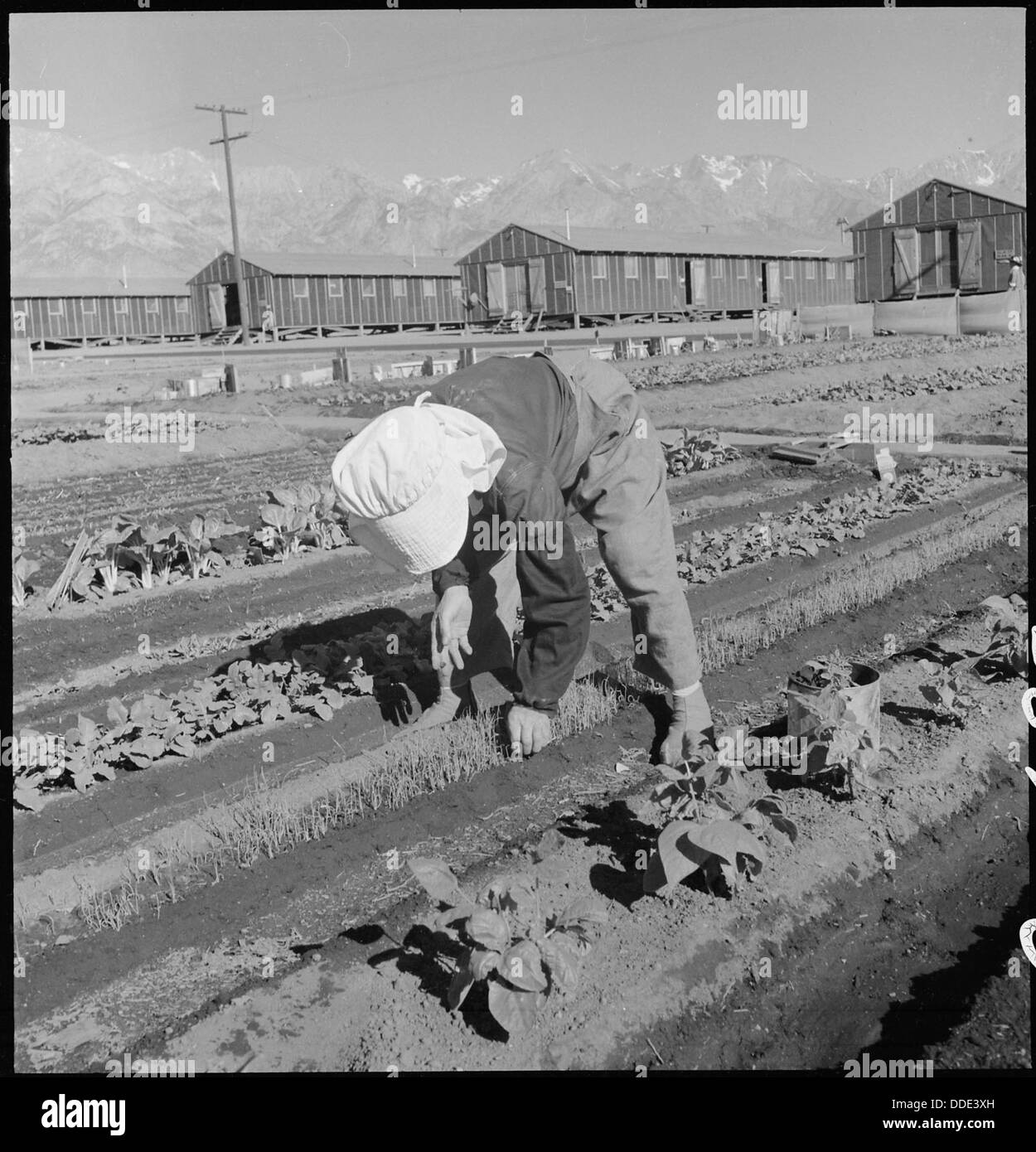
In 1942 something very unfair happened. The government forced all Japanese Americans living on the West Coast to leave their homes. They were sent to special camps far from the ocean, simply because they had Japanese ancestry. Imagine: you wake up one morning and are told that in a week you must leave your home, your school, your friends, and go somewhere unknown. You can only take what fits into two suitcases.
In Seattle neighborhoods like the International District and Beacon Hill, thousands of Japanese families lived. They had shops, restaurants, farms, and gardens. When they were taken away, neighbors moved into their houses and the beautiful gardens became overgrown with weeds. Some people simply took items the Japanese families had left in storage.
When the war ended in 1945, families were allowed to return. But many found their houses gone or occupied by others. Their shops were closed. Neighbors who had once been friends now turned away and didn’t greet them. Children returned to schools where classmates didn’t want to play with them. It felt as if you had come home but the home no longer recognized you.
The First Seeds of Hope
But this is where the most interesting part begins. Instead of leaving for good or hiding away, some families decided to do something unusual. In the late 1940s a group of Japanese Americans began gathering on vacant lots — abandoned patches of land between houses. At first they simply cleaned up the trash. Then someone brought seeds.
A girl named Midori (her real name isn’t preserved in records, but many stories mention children who helped) later recalled that her mother said, “If we plant beautiful flowers where people walk, they will stop. And when people stop next to something beautiful, they become a little kinder.” It was a very wise thought.
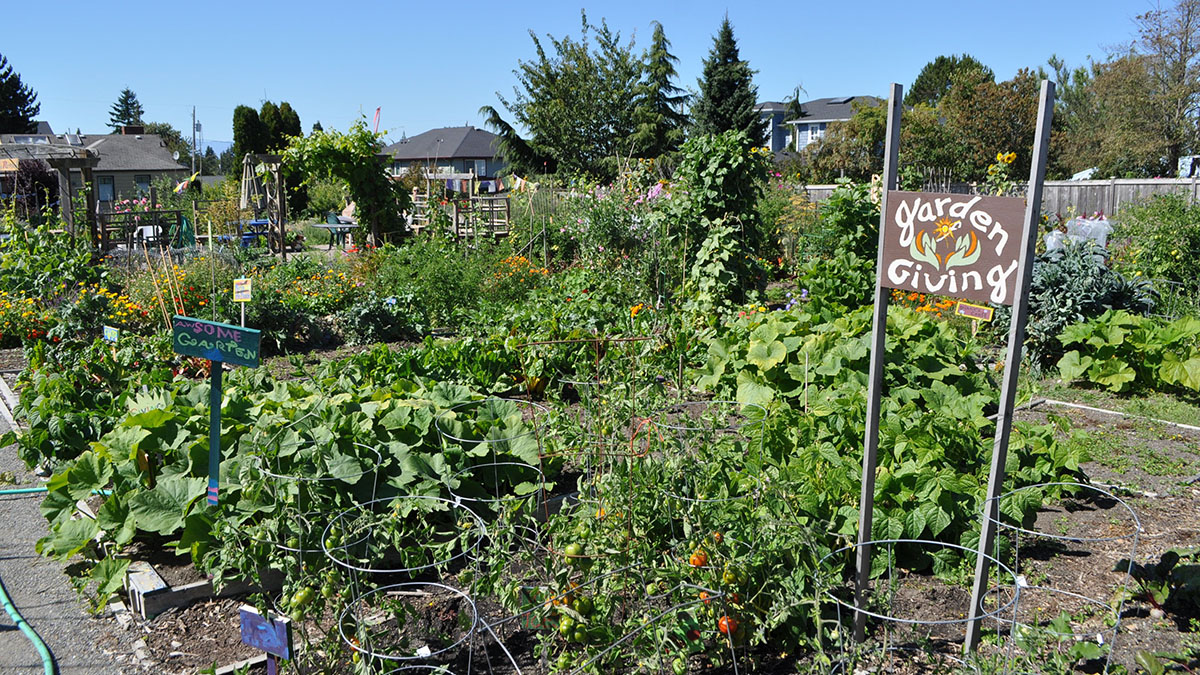
Children and adults began to create small community gardens. They planted not only vegetables for food but also Japanese maples, azaleas, and bamboo — plants that reminded them of their ancestral culture. They built little bridges and arranged stones into pretty patterns. Gradually the gray vacant lots turned into tiny parks.
The Magic of Shared Beds
The most surprising thing began when neighbors saw what was happening. At first they just walked by. Then they stopped to look. An Italian family asked if they could plant tomatoes in a neighboring bed. A Scandinavian grandmother brought tulip bulbs. An African American family, who also knew what injustice felt like, offered help building a fence.
Gradually these gardens became places where people of different cultures worked shoulder to shoulder. Children who had once not spoken at school now watered plants together and chased each other between beds. Adults exchanged seeds, recipes, and stories. It turned out that when hands are busy with a shared task, hearts open more easily.
By the 1950s there were several such community gardens in Beacon Hill. One of them, known locally as the “Rainbow Garden,” became particularly famous. Plants from twelve different countries grew there, and each family tended its own plot while everyone together cared for the common paths and benches.
From Gardens to City Treasures
Decades passed, and these gardens did not disappear — on the contrary, they grew and multiplied. What began as a way to heal wounds and rebuild trust became a tradition. Today Seattle has an entire network of community gardens, many of which grew directly from those early postwar plots.
For example, the Danny Woo Garden in the International District is seven acres of green space right in the heart of the city. It includes plots where families grow vegetables, a special area with Japanese plants, and picnic spots. Thousands of people of all backgrounds visit every year. Few know that this garden exists because the Japanese American community insisted on creating green space on land that was once the center of their prewar life.
In Beacon Hill there is still a garden locals call “the oldest.” A Japanese maple more than seventy years old grows there — it was planted by one of the first families to return from the camps. Now a small plaque under the tree tells its story. Children visit on field trips and learn how a small sapling grew into a large tree under which an entire class can now shelter from the sun.
Lessons That Grow with the Flowers
The story of these gardens teaches us several important things. First, even after very bad events you can create something good and beautiful. Families returning from the camps had every reason to be angry and hurt. Instead, they chose to create beauty.
Second, sometimes the best way to solve a problem is not with many words but by doing something together. When people work side by side planting or building a bench, they begin to see each other not as strangers but as people who also love beautiful flowers and fresh vegetables.
Third, children can change the world. Many of these gardens started with children bringing seeds from home or helping their parents clean up trash. With their enthusiasm and openness they showed adults that it was possible to be friends again.
Today Seattle is proud of its community gardens. The city officially supports more than a hundred such sites, and many have become real attractions. Tourists come to photograph the blooms, not knowing that behind each garden is a story about how people learned to trust one another again.
These gardens remind us that even from the hardest times something beautiful can grow — if you are willing to take a shovel, plant a seed, and wait for it to sprout. And that sometimes the greatest treasures of a city are not tall buildings or famous monuments, but quiet green corners where neighbors become friends and strangers become family.