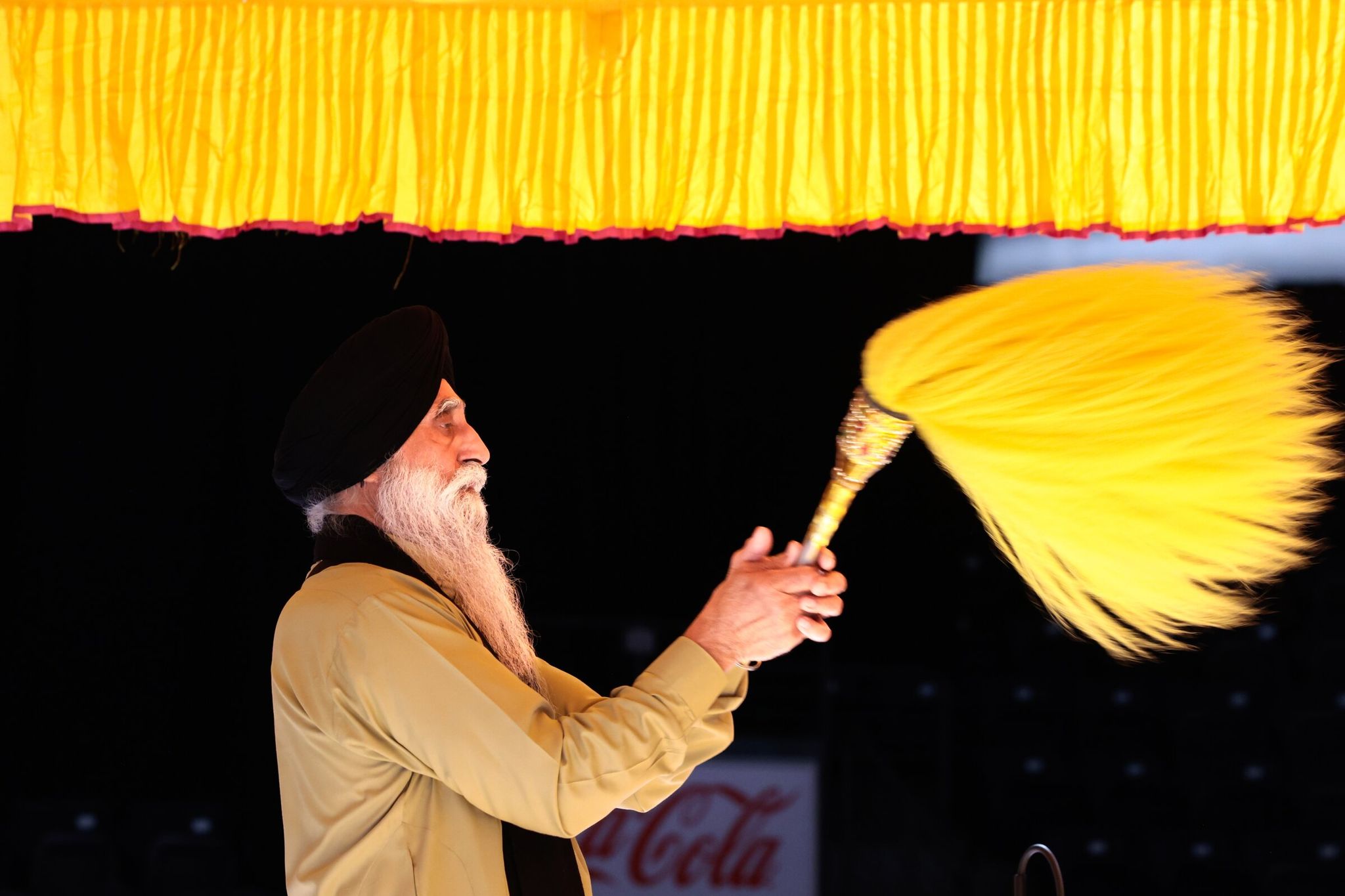
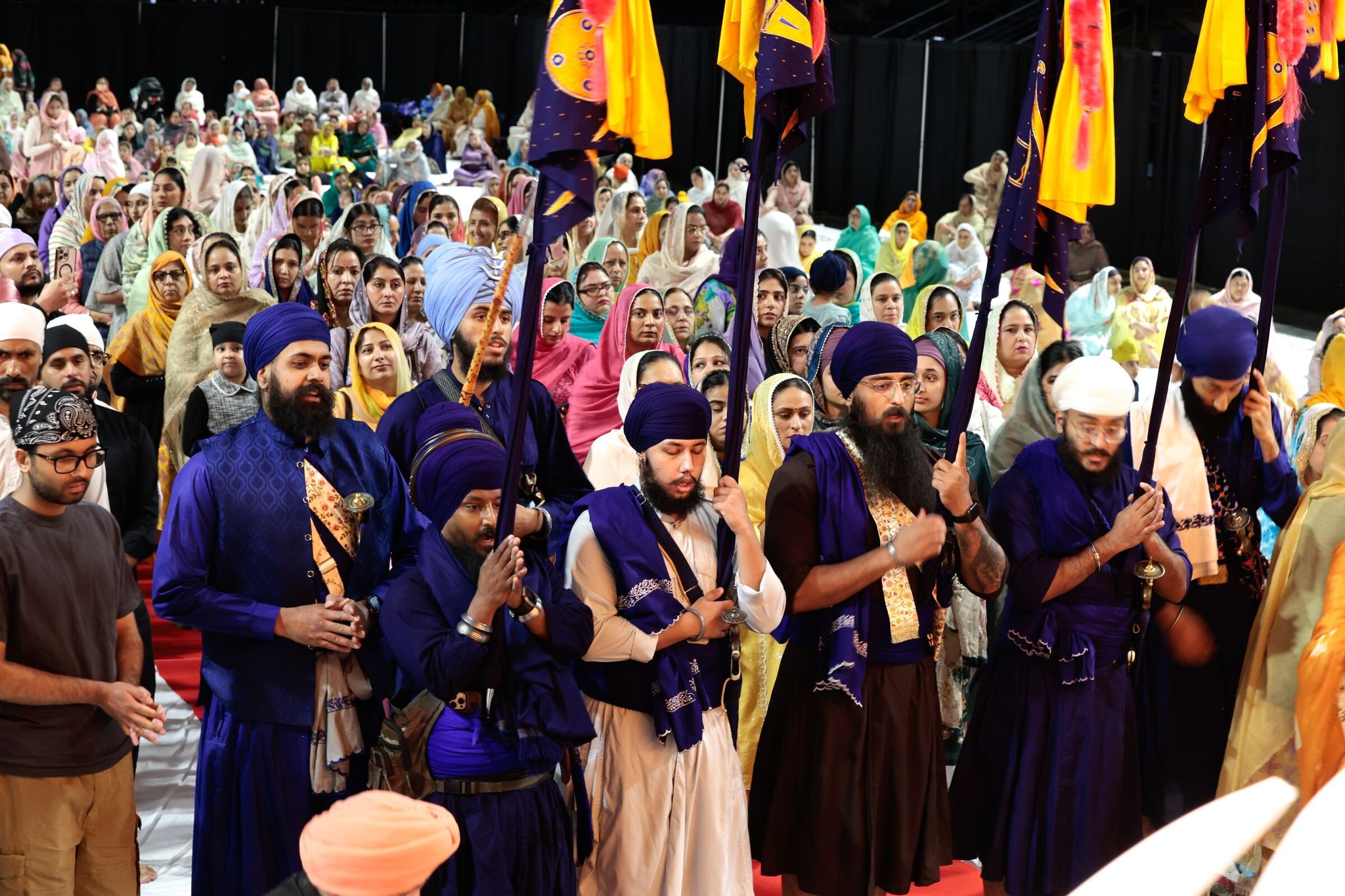
On Saturday, the city of Kent, located about 15 miles south of Seattle, became the center of a vibrant Sikh celebration: tens of thousands of people filled the ShoWare Center complex for the annual Sikh Day Parade. The suburban city was chosen for a reason — Kent and neighboring Renton have long been home to one of the largest Sikh communities in the United States, and the presence of community centers and proximity to Seattle make Kent a convenient site for large religious and cultural events.
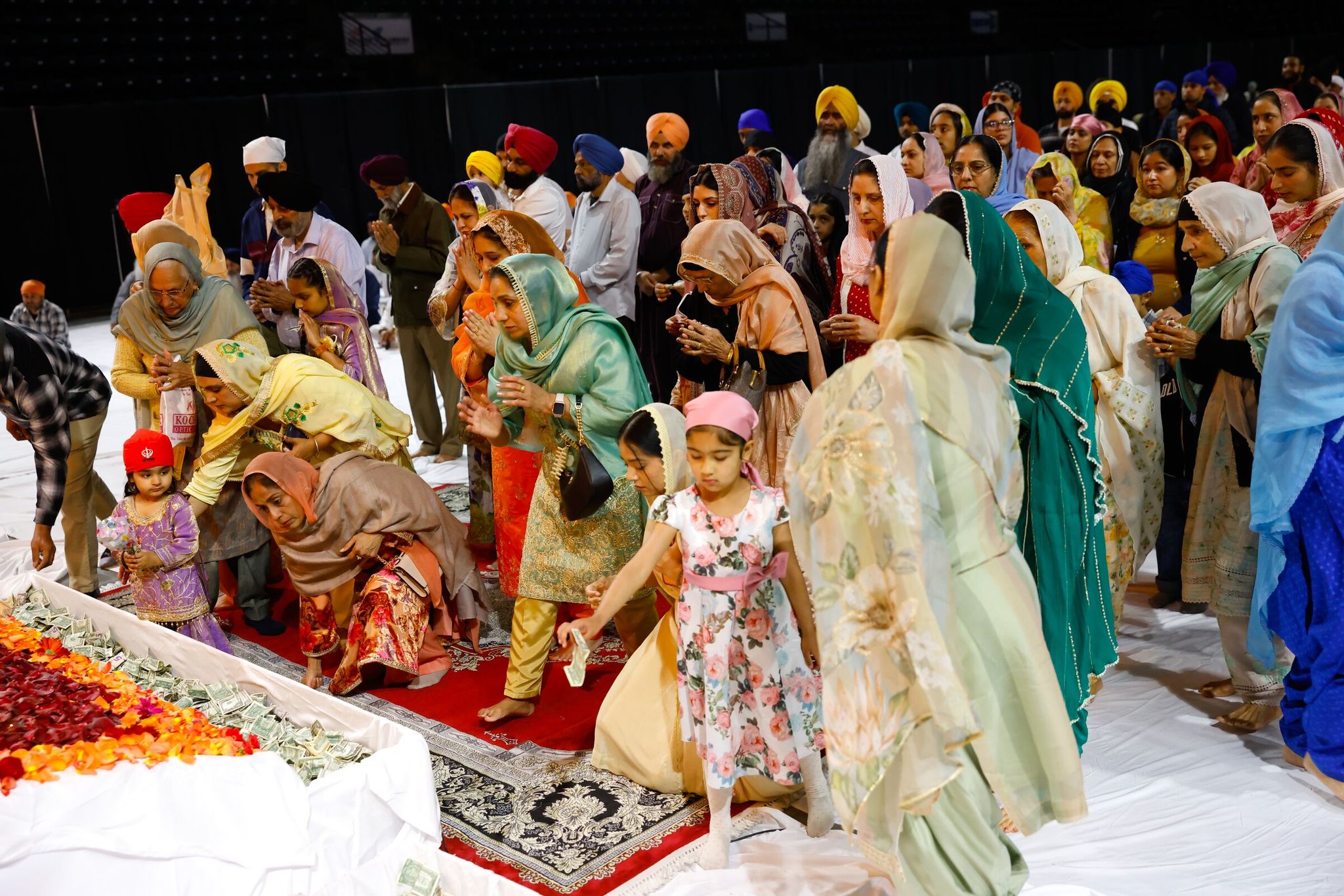
Men, women and children in traditional dress, turbans and scarves filled the main hall to make offerings and pray. The atmosphere was festive: some wore T-shirts with Nike logos, and one participant wittily reworked a famous rap-album title, writing “Straight Outta Punjab.”
The event, organized by the Singh Sabha gurdwara (Sikh temple) in Renton, combined two key observances. The first was Vaisakhi, the most important Sikh festival, traditionally observed in mid-April. Originally a harvest festival in northern India, it became the day of the establishment of the Sikh initiation ceremony in 1699. As volunteer Gurprit Singh explained, “this day symbolizes the baptism of Sikhs and the rejection of caste and religious discrimination — since then all Sikhs have taken the common surname Singh.”
The second part of the celebration was the Sikh parade, known in Punjabi as Nagar Kirtan. Organizers emphasized that its goal is to convey “the universal Sikh message of equality, service, compassion and humanity to people of all backgrounds.” For 39-year-old Gurprit Singh of Covington, a gas-station and restaurant owner, the day was an opportunity to invite Washington residents to learn about Sikhs and their more-than-century-long history in the state.
Sikhs began settling in the region in the early 20th century, drawn by work in sawmills and on the railroads. In Renton and Kent they found affordable land and jobs in industry and agriculture. After the 1965 immigration reform and especially since the 1980s, the community grew significantly with the arrival of IT professionals and entrepreneurs. These cities became a local hub for the Sikh diaspora thanks to a combination of economic opportunities, relative proximity to Seattle and the infrastructure established by the gurdwaras.
That history, however, also includes darker chapters: Sikhs faced racism almost from the moment they arrived in the region. In September 1907, hundreds of white residents of Bellingham rioted, driving South Asian workers out of the mills. The crowd smashed windows, beat people and dragged them from homes and workplaces. As a result, within ten days the entire South Asian population had left the city. After the Sept. 11, 2001, attacks, Sikhs in Washington were shouted at to “Go home!,” Sikh taxi drivers were assaulted, and a motel owner in SeaTac was beaten with a cane.
Those memories remain painful. Gurprit Singh admitted: “When I think about a war with Iran, I imagine that if something like that happened here, we would be the first target. Because of our turbans we look too similar.” Local politicians spoke at the event, including 45th District State Senator Manka Dhingra (Democrat), 19th District State Senator Jim Walsh (Republican) and 36th District state representative Dave Larson, who is running for the state Supreme Court. Their participation reflects the strong system of local representation in Washington, where lawmakers are expected to engage directly with constituents, including ethnic communities, and the state’s multicultural character, where politicians from both parties consider it important to attend such events to demonstrate inclusivity and support for religious minorities. Former judge Dave Larson said: “We are in a fight between those who want freedom and those who want to dominate.”
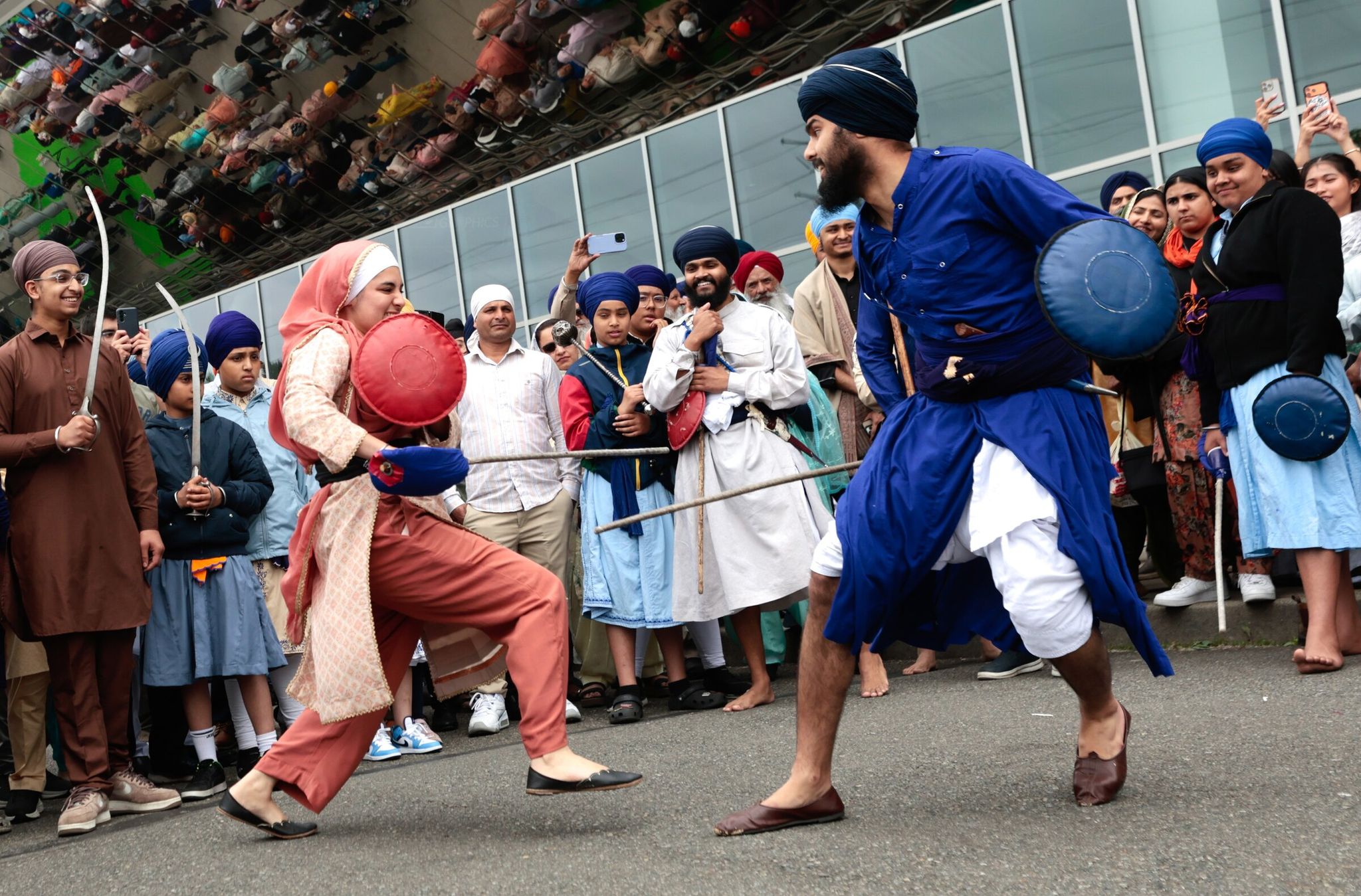
Outside the main hall, 55 vegetarian food stalls awaited guests, and before the midday parade there was a demonstration of gatka — the traditional Sikh martial art with swords. Dancers spun and fought to music, delighting the crowd. For 48-year-old financial adviser Harpreet Singh, the celebration is a way to pass Sikh and Punjabi culture on to his sons, who were born in America. Pointing to a poster with three Sikh values — “Earn honestly, always remember God, share with the needy” — he summed up: “That’s what really matters to me.”