City officials and Seattle residents find themselves at the center of a transportation and crime crisis: neighbors are blocking streets to protect children from bullets, Sound Transit is abandoning promised projects, and the tragic death of a driver who went off an overpass raises questions about road infrastructure safety.
"Asking Seattleites to pay more for full ST3 delivery is inappropriate," said the lone city councilmember on the Sound Transit board
During an informal morning Q&A with reporters organized by the Seattle City Council, councilmember Dan Strauss — the council's sole representative on the Sound Transit board — strongly disagreed with the idea of placing additional financial burdens on Seattle residents to complete the ST3 light rail project. Recall that just over a week ago the Sound Transit board approved a revised ST3 plan that, unlike the promises made to voters a decade ago, does not include funding to extend the line to Ballard. After that vote, suggestions surfaced that Seattle residents who want more than the new plan provides could consider raising the additional funds themselves. Responding to reporters asking his position on that idea, Strauss called it "inappropriate at best," stressing that Seattle residents are already paying for "the Sound Transit project that was promised to them." In his interview with West Seattle Blog he said he still sees the possibility of forgoing construction of a second downtown tunnel, which he argued could free up enough money to build the line all the way to Ballard. "We need a deeper conversation about this," Strauss added, noting he views the tunnel as a regional convenience for Sound Transit rather than a necessary element to complete Seattle’s light rail system. In addition, Strauss and City Council President Joy Hollingsworth expressed "concern" about Mayor Kshama Sawant’s proposal to double the sales tax to expand Metro bus service, pointing to uncertainty about how the revenue would be allocated. The key takeaway is growing tension between local officials and the regional transit agency: Seattle residents, who have already contributed substantial funds to the project, risk being left without promised infrastructure if priorities within the existing budget are not renegotiated. The ST3 project itself can be complex to grasp — it is a long-term plan to expand light rail across the Puget Sound region, approved by voters in 2016, which originally envisioned lines to Ballard and other neighborhoods. The plan’s revision and the exclusion of Ballard from funding have sparked public outrage because they contradict promises made to taxpayers.
Seattle residents forced to block streets themselves to protect children from bullets
A serious conflict has erupted between north-end residents and city officials over a spike in street shootings. Frustrated with waiting for the mayor’s office to act, residents have taken matters into their own hands and begun blocking streets adjacent to the notorious Aurora Avenue with makeshift barricades of heavy construction boxes filled with soil. In response, Seattle City Council President Joy Hollingsworth demanded that Mayor Kshama Sawant urgently close five streets, saying temporary traffic-calming measures installed there last week "aren't working." According to The Seattle Times, at a public meeting on Monday Hollingsworth asked the mayor’s office to instruct the city transportation department to close the blocks from NE 97th to NE 102nd Streets that connect to Aurora "no later than this week."
Tensions reached a boiling point after a series of shootings in May. Residents were particularly outraged by the May 16 incident when a bullet pierced the wall of a baby's bedroom. Then on May 23, just hours after a morning shootout that damaged a car and nearby buildings, neighbors blocked NE 97th, NE 98th and NE 102nd Streets with steel boxes filled with dirt. In a left note they explained their actions by saying city officials had failed to follow through on a promise to close those streets after a similar shooting last summer. Police data confirm a sharp rise in violence: there were eight shootings on that corridor in May, compared with just nine total from January through April.
The City Council responded by introducing legislation that would allow the transportation department to close streets on the recommendation of the police chief to prevent criminal activity. Notably, the current municipal code only gives the department director authority to close alleys, not streets. But Hollingsworth insists the mayor does not need to wait for emergency legislation. "We need to close the streets. The mayor has the ability and capacity to do this," she said. Councilmember Bob Kettle, who chairs the public safety committee, called the shootings along Aurora "unacceptable," emphasizing that "bullets are flying into children's bedrooms" and that the city must "make our roads safer."
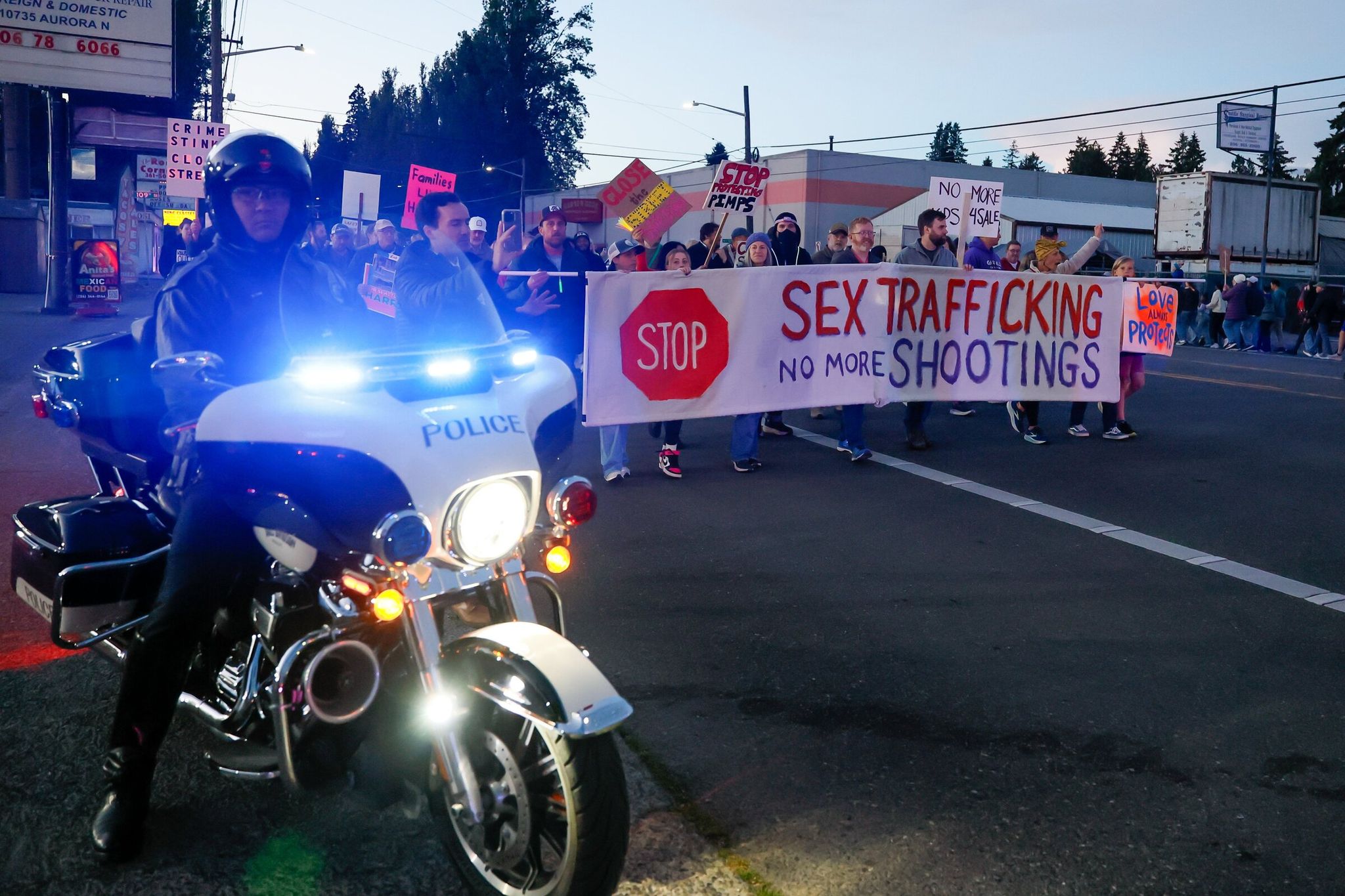
The mayor’s office, however, has so far been cautious. A spokesperson said the transportation department needs about another week to assess the impact of already implemented street closures. The agency is also consulting with police and fire officials to determine whether closures would impede emergency response. Councilmember Debora Juarez, who represents North Seattle, emphasized the new bill is intended to give the city a "mechanism" to address the issue in an orderly way so residents don't have to risk blocking roads without authorization and potentially hindering police, ambulance and fire access. On Saturday night, hundreds of protesters marched along Aurora Avenue demanding officials take decisive action not only to stop shootings but also to address sex trafficking that has long plagued the corridor.
Tragedy in Seattle: man dies after driving off overpass
A tragedy occurred in Seattle when a man died after his vehicle drove off an overpass. The incident was captured on video that circulated in local news. Law enforcement is investigating the circumstances, but it is already clear the crash resulted from loss of control of the vehicle and ended in fatal consequences. There are no official statements yet about the cause of the crash, but such incidents raise questions about the safety of overpass and bridge infrastructure.
According to KIRO 7 News Seattle, the fatal event happened during the day and first responders reached the scene quickly, but the driver was pronounced dead before their arrival. Police temporarily closed the road to conduct an investigation, causing traffic backups on nearby streets. These crashes are rare but each one is a reminder of life's fragility and the need to strictly observe speed limits, especially on challenging road sections with a higher risk of going off the roadway.
It is worth noting Seattle is still preparing for the World Championship, which puts additional strain on the city's transportation system. Taxi companies and scooter rental services are preparing for increased demand, and while Uber is implementing surge pricing, this tragedy was unrelated to those factors. The case highlights that authorities must focus on road safety and timely repair of guardrails on bridges under any circumstances.
One of the main issues remains human factors — driver fatigue, mechanical failure, or a sudden medical emergency behind the wheel. Driving off an overpass almost always results in fatality because of the height of the fall. To reduce risks, road authorities could install extra barriers and warning signs, though complete protection against unforeseen events is impossible. Police are asking witnesses to submit dashcam or other video to help reconstruct the timeline of events.
This story is more than an incident roundup; it's a prompt to consider how each of us can contribute to road safety. Even when the city is focused on large events and logistics, basic rules still matter: wear seatbelts, avoid distractions while driving, and keep vehicles well maintained. The best way to prevent a repeat of such a tragedy is strict adherence to the rules and vigilance on the most dangerous stretches of road.